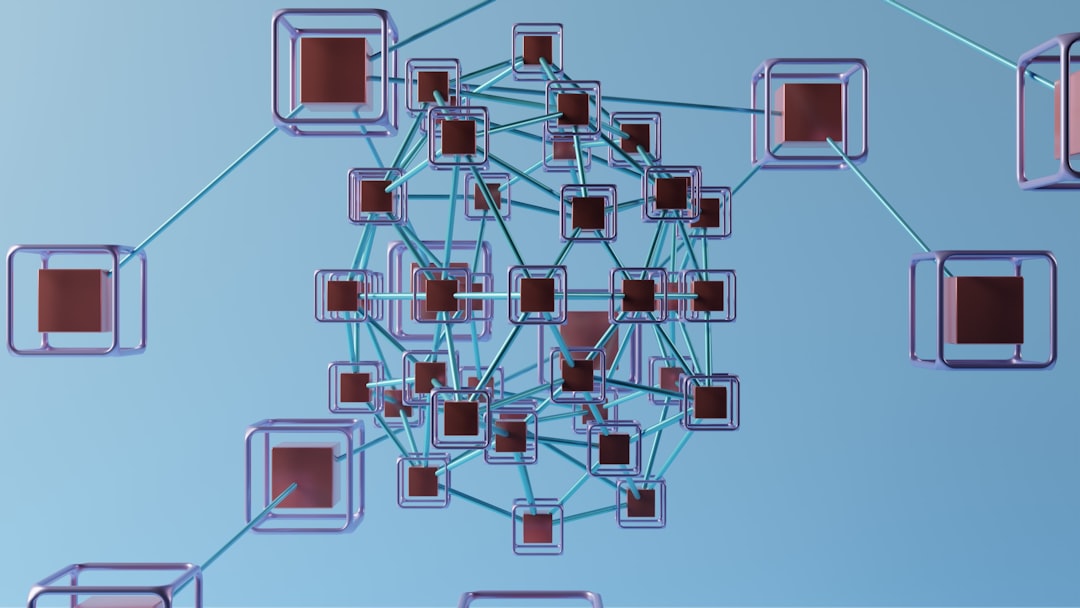

Modern cloud-native applications often consist of dozens—or even hundreds—of loosely coupled services communicating across clusters, regions, and third-party APIs. While this architecture increases scalability and resilience, it also introduces complexity that can quickly spiral out of control without proper visibility. This is where microservice dependency mapping software becomes essential. By visualizing service communication in real time, these tools help engineering teams understand how services interact, where bottlenecks form, and how failures propagate across distributed systems.
TLDR: Microservice dependency mapping tools help teams visualize service-to-service communication, identify bottlenecks, and troubleshoot issues faster. These platforms provide real-time insights into service topology, performance metrics, and latency patterns. Four standout solutions include Dynatrace, Datadog, New Relic, and Grafana Tempo with service graph visualization. Each offers unique strengths depending on infrastructure, scale, and monitoring maturity.
Without clear mapping, teams often rely on static diagrams that quickly become outdated. Modern dependency mapping platforms automatically generate dynamic service maps using distributed tracing, metrics, and log correlation. Below are four leading solutions that provide powerful visualization capabilities.
1. Dynatrace
Dynatrace is a full-stack observability platform known for its AI-powered insights and automatic service discovery. Its Smartscape topology mapping feature continuously visualizes microservice dependencies in real time, making it easier to track how services communicate across hosts, containers, and cloud environments.
Key Features
- Automatic service discovery across multi-cloud and hybrid environments
- Real-time topology visualization with Smartscape
- AI-driven root cause analysis
- Distributed tracing with end-to-end transaction monitoring
Dynatrace excels in environments where scale and automation are critical. It automatically detects new services as they are deployed, ensuring that the dependency graph remains accurate without manual configuration. This is particularly useful in Kubernetes-based architectures where workloads frequently churn.
Another advantage is its AI engine, Davis, which correlates dependencies, metrics, and anomalies to pinpoint performance degradation. Instead of manually interpreting complex service maps, teams receive guided insights into which node introduced latency or failure.
Best for: Large enterprises with complex, dynamic microservice ecosystems.
2. Datadog APM
Datadog APM provides powerful distributed tracing and dynamic service mapping. It delivers real-time visibility into service interactions across containers, serverless functions, and traditional VMs.
One of its standout features is the Service Map, which visually represents how services communicate and highlights request volume, latency, and error rates between nodes.
Key Features
- Dynamic service maps with live traffic visualization
- Distributed tracing with trace search and analytics
- Container and Kubernetes integration
- Custom tagging for granular filtering
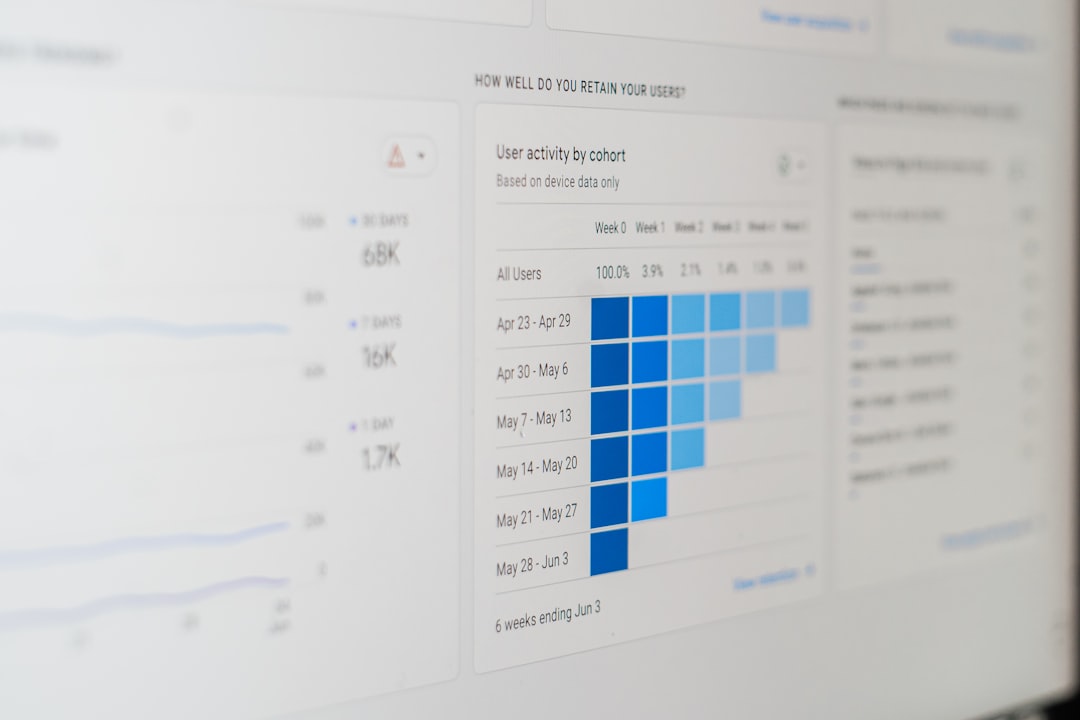
Datadog allows teams to filter service maps by environment, version, or availability zone. This flexibility makes it especially useful for DevOps teams operating CI/CD pipelines and managing frequent deployments.
Error propagation paths are clearly displayed, enabling teams to determine whether a frontend slowdown originates from a backend API or a third-party provider. Combined with log correlation, this significantly reduces mean time to resolution (MTTR).
Best for: Cloud-native teams seeking scalable monitoring with strong Kubernetes and container support.
3. New Relic One
New Relic One offers an intuitive service map feature as part of its full-stack observability suite. It automatically builds dependency diagrams by analyzing telemetry data from distributed traces.
Key Features
- Interactive service maps with health indicators
- End-to-end transaction traces
- OpenTelemetry support
- Custom dashboards and alerts
New Relic makes it easy to drill down from a high-level overview into individual transactions. Teams can visually identify which services are causing elevated latency and inspect detailed traces to understand the root cause.
Its OpenTelemetry compatibility is particularly valuable for organizations adopting open standards. This reduces vendor lock-in and simplifies telemetry collection.

The platform’s dashboards are designed with clarity in mind. Services are color-coded based on health status, making anomalies immediately noticeable. Developers can quickly move from visualization to trace-level diagnostics.
Best for: Teams looking for flexible pricing and strong support for open-source telemetry standards.
4. Grafana Tempo with Service Graphs
Grafana Tempo is an open-source distributed tracing backend that integrates seamlessly with Grafana dashboards. When combined with service graph visualization (often powered by Prometheus and Grafana plugins), it provides powerful dependency mapping capabilities.
Key Features
- Open-source tracing backend
- Service graph visualization plugins
- Native integration with Prometheus and Loki
- Highly customizable dashboards
Grafana Tempo is ideal for teams that prefer building observability stacks using open-source tools. Service graphs visually depict request rates and latency between services, helping teams spot communication bottlenecks.
Unlike proprietary platforms, Grafana offers deep customization. However, it may require more setup and maintenance compared to turnkey SaaS solutions.
Best for: Engineering teams that prioritize open-source flexibility and customization.
Comparison Chart
| Feature | Dynatrace | Datadog | New Relic | Grafana Tempo |
|---|---|---|---|---|
| Automatic Service Discovery | Yes (AI-driven) | Yes | Yes | Partial (manual setup) |
| Real-Time Service Map | Smartscape | Service Map | Service Map | Service Graph Plugins |
| AI Root Cause Analysis | Advanced | Moderate | Moderate | Limited |
| OpenTelemetry Support | Yes | Yes | Strong | Native Support |
| Deployment Type | SaaS / Managed | SaaS | SaaS | Open Source / Self-Hosted |
| Best For | Large enterprises | Cloud-native teams | Flexible adopters | Open-source focused teams |
Why Dependency Mapping Matters
Microservices increase agility but introduce intricate interdependencies. If one service fails or slows down, it can trigger cascading outages across the system. Dependency mapping tools prevent blind spots by:
- Visualizing real-time communication flows
- Identifying bottlenecks and latency spikes
- Understanding blast radius during incidents
- Supporting capacity planning
In complex environments, manual diagrams quickly become obsolete. Automated maps adapt as new services are deployed, ensuring accurate architectural visibility at all times.
How to Choose the Right Tool
Selecting the appropriate dependency mapping software depends on several factors:
- Scale of deployment: Enterprises may benefit from AI-driven automation.
- Infrastructure type: Kubernetes-heavy environments require strong container support.
- Budget considerations: Open-source solutions reduce licensing costs.
- Existing tooling: Integration with logging and metrics platforms is critical.
Organizations already invested in open-source observability may lean toward Grafana Tempo. Meanwhile, those seeking out-of-the-box automation often prefer Dynatrace or Datadog.
FAQ
1. What is microservice dependency mapping?
Microservice dependency mapping is the process of automatically visualizing how services in a distributed system communicate with one another. It shows request flows, latency, and service interactions to help teams understand system behavior.
2. Why is service communication visualization important?
Visualizing service communication helps identify bottlenecks, detect cascading failures, and reduce incident resolution time. It provides clarity in complex, dynamic architectures.
3. Are these tools suitable for Kubernetes environments?
Yes. All four tools support Kubernetes monitoring, though Dynatrace and Datadog offer particularly strong container orchestration integrations.
4. Is open-source dependency mapping viable for enterprises?
Yes, especially when supported by dedicated DevOps teams. Solutions like Grafana Tempo can be highly scalable but require more configuration and maintenance.
5. What is the difference between distributed tracing and dependency mapping?
Distributed tracing tracks individual requests across services, while dependency mapping aggregates that data to visually represent overall communication patterns between all services.
6. Can these tools detect third-party API latency?
Yes. Most modern APM and observability platforms can track outbound API calls and display their impact within service maps.
7. How often are service maps updated?
In most SaaS platforms, service maps update in real time as telemetry data flows into the system.
By leveraging the right microservice dependency mapping software, organizations gain deep visibility into service communication, improving system reliability and accelerating incident response in increasingly complex cloud-native environments.

Comments are closed, but trackbacks and pingbacks are open.