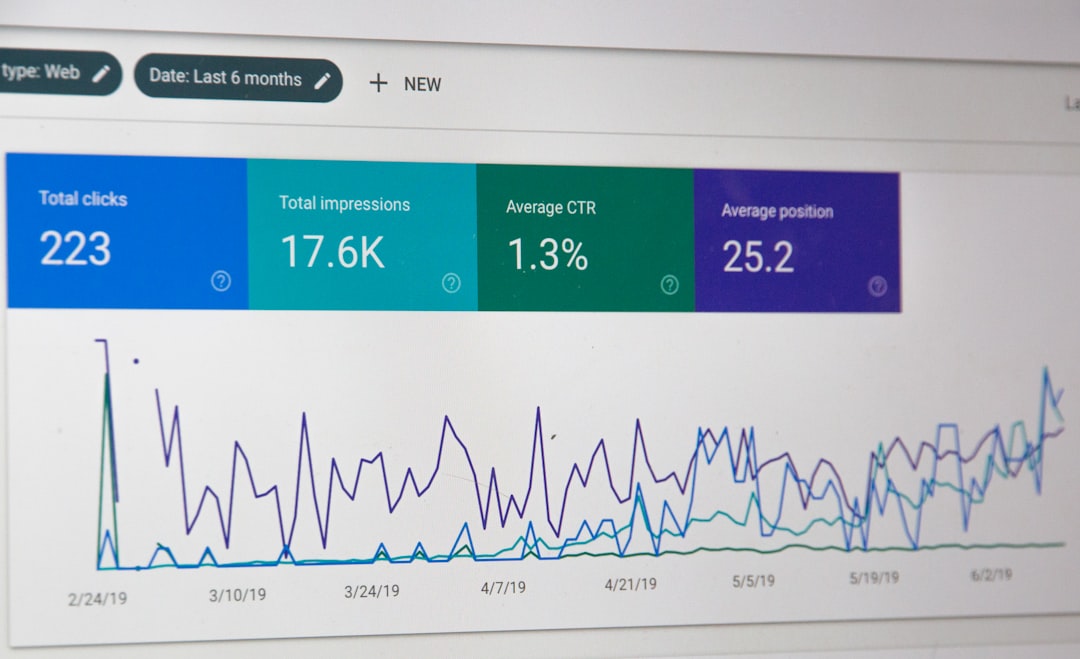

Content-driven SEO has evolved far beyond basic keyword placement and backlink building. Modern search optimization demands clear measurement standards, especially when using advanced audit platforms like Labrika. By focusing on the right performance indicators, marketers can transform scattered data into meaningful actions that improve rankings, engagement, and conversions. Understanding which Labrika review metrics truly matter ensures that strategic decisions are data-led rather than assumption-based.
TLDR: Labrika offers a wide range of SEO and content audit metrics, but six stand out for content-driven strategies: keyword optimization score, content quality analysis, technical health indicators, behavioral metrics, backlink profile evaluation, and competitor benchmarking. Together, these metrics provide a holistic view of how well content performs and what needs optimization. Focusing on these core indicators helps improve visibility, relevance, and user engagement. Businesses relying on content marketing should prioritize these measurements to maximize ROI.
1. Keyword Optimization Score
At the center of content-driven SEO lies keyword relevance. Labrika’s keyword optimization metric evaluates how effectively a webpage aligns with its target queries. Unlike simple keyword density tools, Labrika analyzes semantic relevance, term distribution, and contextual accuracy.
This metric reviews:
- Primary keyword usage in headings and body text
- Semantic keyword variations and related entities
- Over-optimization risks that could trigger penalties
- Missing terms competitors are ranking for
Content creators benefit from precise recommendations instead of guesswork. By identifying semantic gaps, marketers can expand articles naturally rather than forcing repetitive keyword use.
When evaluating this metric, businesses should focus on balance. Over-optimized pages may suffer ranking volatility, while under-optimized pages struggle for visibility. Labrika’s analysis provides a middle ground rooted in data rather than outdated SEO practices.
2. Content Quality and Relevance Analysis
Search engines increasingly prioritize quality and user satisfaction. Labrika’s content quality metric evaluates pages based on structure, topical depth, readability, and completeness. For content-driven SEO, this is essential.
The tool measures:
- Text length compared to top-ranking competitors
- Use of structured headings (H1, H2, H3)
- Content uniqueness
- Readability signals
- Topical coverage breadth
High-performing content often answers multiple related user questions within a single, well-organized page. Labrika identifies content gaps that can be filled to strengthen authority and improve dwell time.
Additionally, the platform assesses relevance against search intent. Informational, transactional, and navigational queries require different content structures. Aligning with user intent increases the likelihood of ranking stability and improved engagement metrics.
3. Technical SEO Health Indicators
Even the best content underperforms if technical issues block search engine crawling or indexing. Labrika provides an in-depth technical health overview that directly impacts content performance.
Important technical indicators include:
- Page loading speed
- Mobile usability
- Broken links and redirect chains
- Duplicate content issues
- Meta tag optimization

For content-driven SEO strategies, technical health ensures that search engines can properly crawl newly published blog posts and cornerstone pages. A technically optimized environment amplifies the performance of high-quality content instead of suppressing it.
One critical benefit of Labrika’s reporting is prioritization. Rather than listing hundreds of errors without direction, it categorizes issues based on severity, making remediation practical and efficient.
4. User Behavioral Metrics Integration
Search performance is increasingly tied to user behavior. Labrika integrates behavioral data that helps assess how real users interact with content. These signals indirectly influence long-term SEO success.
Key engagement metrics include:
- Bounce rate
- Average time on page
- Click-through rate (CTR)
- Scroll depth indicators
High bounce rates paired with low dwell time may indicate mismatched search intent or weak content structure. Labrika enables users to correlate these behavioral signals with keyword rankings to uncover root causes.
For example, if rankings are strong but engagement is low, content revisions may be necessary. Improving formatting, adding supportive visuals, or expanding explanations can boost retention.
5. Backlink Profile Evaluation
While content quality is central, authority still plays a significant role in SEO performance. Labrika’s backlink analysis metric evaluates both the quantity and quality of referring domains.
This analysis includes:
- Domain authority distribution
- Anchor text diversity
- Toxic link detection
- Link velocity trends
For content-driven SEO, backlinks often result from exceptional resources rather than direct outreach. Labrika helps identify which content attracts links naturally and which pages need promotional support.

Monitoring anchor text diversity also prevents over-optimization penalties. A healthy profile supports content visibility without triggering algorithmic suspicion.
6. Competitor Benchmarking and SERP Comparison
No content strategy exists in isolation. Labrika’s competitor benchmarking metric compares website performance directly against top-ranking rivals.
This feature provides insight into:
- Keyword gaps
- Content length differences
- Technical health contrasts
- Backlink authority disparities
Understanding why competitors outrank a page allows marketers to craft precise improvements rather than broad updates. If a competitor ranks due to stronger topical clusters, expanding pillar content may close the gap. If link authority drives their success, outreach strategies may be required.
Comparison Chart: Key Labrika Metrics for Content-Driven SEO
| Metric | Primary Focus | Impact on SEO | Optimization Priority |
|---|---|---|---|
| Keyword Optimization Score | Semantic relevance and keyword coverage | Improves ranking alignment | High |
| Content Quality Analysis | Depth, structure, readability | Enhances user satisfaction and topical authority | High |
| Technical SEO Health | Crawlability and site performance | Ensures indexing and ranking stability | Critical |
| User Behavioral Metrics | Engagement and retention | Supports algorithmic trust signals | Medium to High |
| Backlink Profile Evaluation | Authority and link quality | Strengthens domain credibility | Medium |
| Competitor Benchmarking | Market positioning insights | Reveals strategic gaps | High |
Why These Metrics Matter Most
While Labrika offers dozens of data points, these six metrics form the foundation of measurable SEO growth for content-focused strategies. They connect three essential pillars:
- Relevance (keyword and content quality)
- Accessibility (technical optimization)
- Authority (backlinks and competitor positioning)
Behavioral signals then refine these pillars by providing real-world user validation. When all six metrics show alignment, content performance tends to become stable, predictable, and scalable.
Businesses that limit analysis to traffic charts alone often miss the structural reasons behind growth or decline. Labrika’s multidimensional approach allows marketers to diagnose, prioritize, and execute improvements strategically.
FAQ
1. What makes Labrika different from other SEO audit tools?
Labrika stands out for combining technical auditing, semantic content analysis, and competitor benchmarking within a single interface. Its emphasis on contextual keyword recommendations makes it particularly valuable for content-driven SEO.
2. How often should Labrika metrics be reviewed?
Technical and ranking metrics should be reviewed monthly, while keyword and content optimization insights are best evaluated during content updates or before publishing new material.
3. Are behavioral metrics direct ranking factors?
Search engines do not publicly confirm specific behavioral signals as direct ranking factors, but engagement patterns strongly correlate with ranking stability and long-term visibility.
4. Can Labrika help small businesses with limited content?
Yes. Even smaller websites benefit from identifying keyword gaps, fixing technical issues, and benchmarking against competitors to build stronger initial authority.
5. Which metric should be prioritized first?
Technical SEO health should be addressed first to ensure search engines can properly access content. After that, keyword and content quality optimization should become the primary focus.
6. Does Labrika replace the need for backlink building?
No. While it provides backlink insights and identifies link opportunities, active promotion and outreach remain essential for building strong domain authority.
By concentrating on these six critical Labrika review metrics, content-driven SEO strategies gain clarity, direction, and measurable performance improvements. Rather than chasing vanity metrics, successful marketers prioritize substance, accessibility, and authority—elements that search engines consistently reward.

Comments are closed, but trackbacks and pingbacks are open.