

Managing digital assets and maintaining a competitive online presence require more than intuition. Whether you are a domain investor, SEO professional, digital marketer, or business owner, you need accurate data and reliable tools to make informed decisions. Domains are no longer just web addresses—they are strategic assets that influence branding, search visibility, revenue, and long-term portfolio value. Using the right tools can mean the difference between calculated growth and costly mistakes.
TLDR: Successful domain research, SEO strategy, and portfolio management depend on accurate data and efficient workflows. The right tools help you analyze domain history, monitor backlinks, evaluate keyword value, track competitors, and manage renewals. This article outlines six must-have domain tools that provide reliable insights and support better decisions. Investing in robust platforms minimizes risk while maximizing long-term performance and asset value.
Below are six essential domain tools that provide the depth, reliability, and analytical power required to operate professionally in today’s digital environment.
1. WHOIS and Domain History Tools
A domain’s past can significantly influence its future performance. Before purchasing or optimizing a domain, it is critical to understand its ownership history, registration timeline, drops, and potential reputation risks.
WHOIS lookup tools allow you to:
- Identify the current registrar and ownership information
- Check registration and expiration dates
- Review historical ownership records
- Detect frequent drops or transfers
Domains that have changed hands repeatedly or experienced multiple drops may carry SEO penalties or spam associations. Historical domain research tools also reveal previous website content through archive integrations, allowing you to assess whether a domain was used legitimately or abused.
This step is particularly important for:
- Expired domain investors
- Businesses acquiring branded domains
- Agencies vetting domains for client campaigns
Failing to review a domain’s background can result in rebuilding trust with search engines from scratch—an expensive and time-consuming process.

2. Keyword Research Platforms
A valuable domain aligns with real user demand. Without understanding keyword search volume, competition, and intent, it is impossible to assess a domain’s true potential.
Keyword research tools provide essential data points such as:
- Monthly search volume
- Keyword difficulty scores
- Cost per click estimates
- Related and long tail keyword variations
- Search trend analysis
This data enables you to determine whether a domain name reflects a growing market or a declining one. For example, an exact match domain tied to a high intent commercial keyword may offer strong monetization opportunities.
From an SEO perspective, these platforms also help structure content strategies around domain themes. A domain built around scalable keyword clusters will naturally have more growth opportunities than one tied to a narrow or fading query.
For portfolio managers, keyword tools assist in:
- Appraising domain resale value
- Identifying high demand niches
- Spotting emerging industry terminology
Reliable keyword research minimizes speculation and replaces it with data-driven forecasting.
3. Backlink Analysis Tools
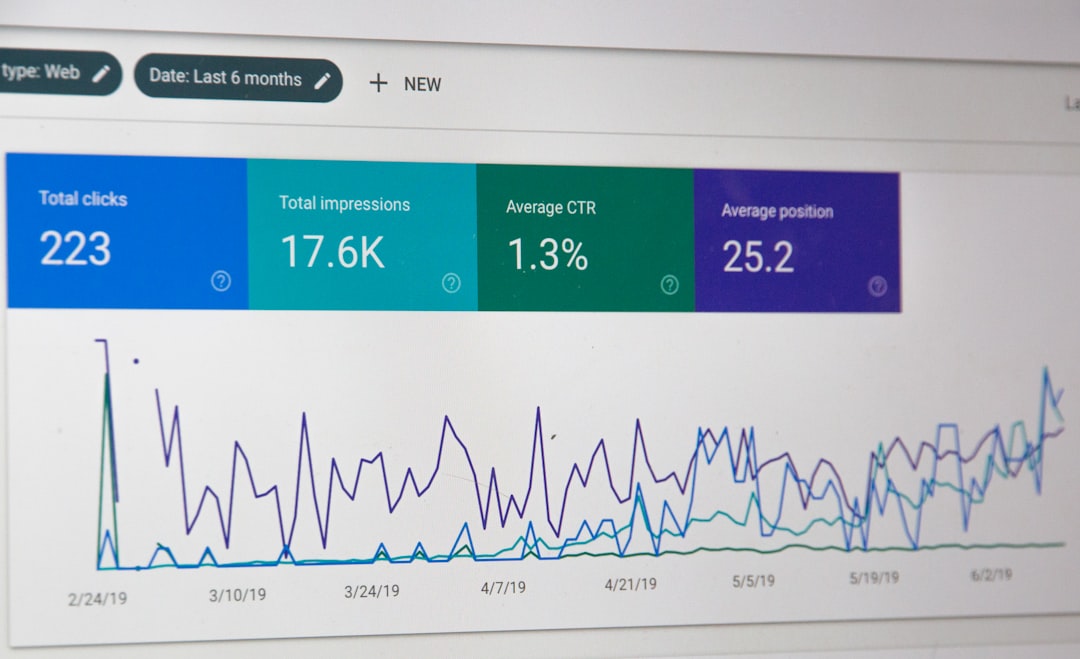
In SEO, backlinks remain one of the strongest ranking signals. For expired domains and acquisitions in particular, backlink quality can make or break future performance.
Backlink analysis tools allow you to evaluate:
- Total referring domains
- Authority and trust metrics
- Anchor text distribution
- Spam indicators
- Lost and newly acquired links
A domain with high authority backlinks from reputable sources may offer immediate SEO advantages. Conversely, toxic link profiles can lead to penalties and revenue loss.
When analyzing backlinks, pay close attention to anchor text patterns. Over-optimized commercial anchors often signal manipulative practices, which search engines may penalize. Diverse, natural anchor text distributions indicate healthier link ecosystems.
Investors frequently use backlink tools to uncover undervalued domains that still retain strong authority. SEO professionals use them to monitor ongoing link building performance and identify competitor strategies.
4. Domain Valuation and Appraisal Tools
Determining a domain’s monetary value is both an art and a science. While automated appraisal tools should never be the sole basis for investment decisions, they provide useful benchmarks.
These tools typically evaluate:
- Keyword quality and search demand
- Domain length and memorability
- Historical sales data of similar names
- Extension relevance (.com, .net, country codes)
- Commercial intent indicators
For portfolio managers, appraisal platforms help:
- Set realistic listing prices
- Identify undervalued acquisition targets
- Track portfolio appreciation over time
It is important, however, to apply judgment. Automated estimates cannot fully assess branding potential, emerging industries, or strategic buyer value. Serious investors combine tool-based appraisals with market research and experience.
Used properly, valuation tools function as a starting framework rather than a final verdict.
5. Rank Tracking and Competitive Analysis Tools
Owning a strong domain is only part of the equation. Once developed, performance monitoring becomes essential.
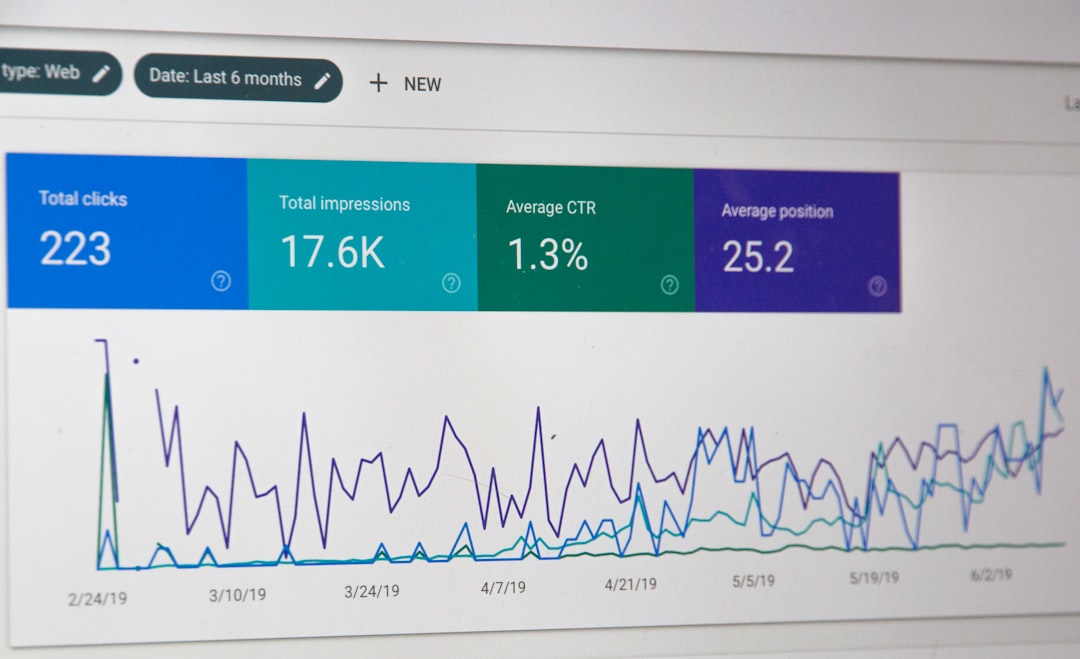
Rank tracking tools provide:
- Daily or weekly keyword position updates
- Visibility trend data
- Competitor comparison metrics
- Local and global ranking insights
Competitive analysis platforms go further by revealing:
- Competitor top performing pages
- Shared keyword gaps
- Traffic estimations
- Content performance benchmarks
This data is invaluable for adapting SEO strategies and protecting domain assets from declining performance. If rankings drop, immediate visibility into potential causes—technical errors, algorithm updates, or competitor improvements—allows rapid corrective action.
For portfolio managers overseeing multiple websites, consolidated dashboards reduce complexity and ensure that no domain underperforms unnoticed.
6. Portfolio Management and Monitoring Platforms
As portfolios grow, organization becomes increasingly complex. Missed renewals, inconsistent DNS settings, or fragmented registrar accounts can create operational risks.
Dedicated portfolio management tools help consolidate:
- Renewal dates and alerts
- Registrar distribution
- DNS configurations
- Revenue tracking
- Acquisition and sale records
Advanced platforms allow tagging and categorization, enabling segmentation by niche, extension, or development status. This organizational clarity is especially valuable for investors managing dozens or hundreds of domains.
Automation features such as renewal reminders and expiration monitoring reduce the risk of losing valuable assets unintentionally. For high-value domains, even a single missed renewal can result in severe financial loss.
Additionally, some monitoring services provide uptime checks and security alerts, ensuring developed domains remain operational and protected.
Integrating Tools Into a Cohesive Strategy
While each tool serves a specific purpose, their true strength emerges when combined into a structured workflow.
A professional domain acquisition process might look like this:
- Initial keyword research to validate demand.
- WHOIS and history review to assess background.
- Backlink analysis to evaluate SEO strength.
- Valuation comparison to determine pricing thresholds.
- Competitive benchmarking to measure market position.
- Portfolio integration and monitoring post-acquisition.
This systematic approach reduces speculation, improves capital allocation, and strengthens long-term portfolio quality.
In contrast, impulsive domain purchases without data verification often lead to underperforming assets and avoidable losses.
Final Thoughts
The domain industry has matured significantly over the past decade. Search engines are more sophisticated, digital competition is more intense, and buyers are more informed. In this environment, serious professionals rely on credible tools—not guesswork.
WHOIS and history platforms protect against hidden risks. Keyword research tools validate demand. Backlink analysis reveals authority. Valuation systems establish pricing benchmarks. Rank tracking tools safeguard performance. Portfolio management platforms maintain operational control.
Together, these six tool categories form a robust framework for responsible domain research, SEO execution, and asset management. For anyone committed to building or maintaining a valuable digital portfolio, they are not optional conveniences—they are essential instruments of due diligence.
When selected carefully and used consistently, these tools transform domain ownership from speculation into a disciplined, data-driven investment strategy.

Comments are closed, but trackbacks and pingbacks are open.