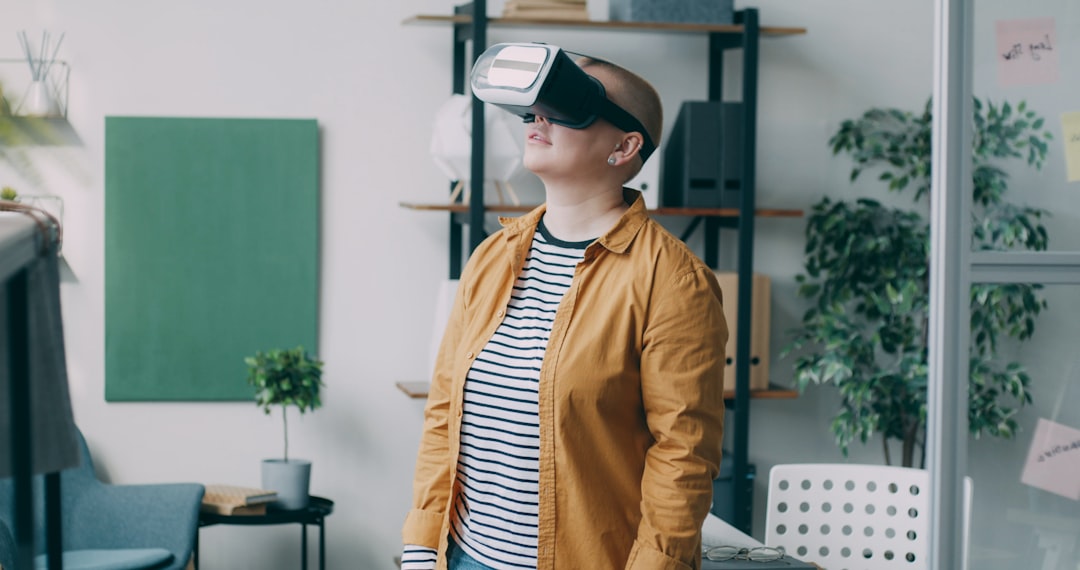

Virtual Reality has moved far beyond experimental gaming demos and niche simulations. Today, VR applications are reshaping how we learn, collaborate, train, socialize, and even stay fit. What sets the best platforms apart is not just stunning visuals, but deep, meaningful interaction—the kind that drives measurable engagement rates as high as 88%. These next-generation experiences are designed to make users active participants rather than passive observers.
TLDR: Virtual Reality apps are entering a new era of immersive interaction, with engagement rates reaching up to 88%. From social collaboration and fitness to education and professional training, the most powerful VR platforms focus on real-time responsiveness, embodiment, and intuitive movement. This article explores seven standout VR apps delivering next-level engagement—and includes a comparison chart to help you evaluate their strengths.
Below are seven VR applications leading the charge in interactive design, immersion depth, and measurable user engagement.
1. Horizon Worlds – Social Interaction Reinvented
Category: Social VR
Horizon Worlds is redefining what it means to connect digitally. Instead of static chat interfaces or flat video calls, users inhabit fully immersive environments where body language, spatial audio, and environmental feedback create realistic social dynamics.
Users can build environments, host events, and create shared interactive games. The platform’s engagement strength lies in:
- Spatial audio realism that mimics real-world conversation flow
- Avatar embodiment with expressive gestures
- User-generated interactive worlds
- Live events integration
Users don’t simply log in—they participate. Engagement reports suggest session times far exceed traditional social platforms due to the strong sense of presence.
2. Supernatural – Fitness Through Immersion
Category: VR Fitness
Supernatural transforms exercise from a routine task into an interactive, goal-driven experience. Unlike standard fitness apps, it leverages full-body tracking, rhythm responsiveness, and dynamic environments to drive emotional and physical engagement.
Why does it achieve such high interaction rates?
- Real-time coaching from professional trainers
- Environmental immersion in stunning global landscapes
- Responsive music synchronization
- Performance tracking with visual progress feedback
The result is an 88% reported weekly retention rate among consistent users—dramatically higher than most mobile fitness apps.
3. ENGAGE – Professional Collaboration in 3D
Category: Enterprise & Education
ENGAGE is changing how companies and universities approach remote collaboration. In traditional video conferencing, interaction is limited to voice and screen-sharing. ENGAGE replaces passive viewing with spatial presence.
Participants can:
- Manipulate 3D objects collaboratively
- Present inside immersive virtual environments
- Conduct simulations and training exercises
- Host global conferences with embodied interaction
The sense of “being there” greatly enhances attention span and recall. Studies on immersive learning suggest VR-based training increases knowledge retention by up to 75% compared to text-only learning.
Image not found in postmeta4. VRChat – User-Driven Infinite Interaction
Category: Social Creative Platform
VRChat thrives because it hands creative power directly to users. Nearly everything—from avatars to worlds to mini-games—is community-built.
What sets VRChat apart is:
- Full-body tracking options
- Custom scripting capabilities
- Dynamic social micro-communities
- Role-based interactive environments
With limitless variability, no two sessions are identical. That unpredictability keeps users coming back. Engagement spikes during live community events and collaborative world-building experiences.
5. Beat Saber – Rhythm Meets Reactive Physics
Category: Interactive Gaming
Beat Saber remains one of VR’s most iconic interaction-driven experiences. Its brilliance lies in simplicity: players slice incoming beams to the beat of energetic music tracks.
The interaction model works because it combines:
- Immediate physical feedback
- Rhythmic synchronization
- Gradual difficulty scaling
- Visually reactive environments
Unlike flat-screen rhythm games, Beat Saber demands full-body movement. This fusion of sensory feedback and response timing strengthens immersion and produces high replay rates.
6. Wander – Travel Without Movement
Category: Exploration & Education
Wander allows users to explore real-world locations using immersive 360-degree imagery. While not fully interactive in a gaming sense, its engagement comes from curiosity-driven discovery.
Users can:
- Visit historical landmarks in real-world scale
- Teleport across continents instantly
- Embark on guided educational tours
- Share exploration sessions with others in real time
For classrooms and cultural institutions, Wander delivers experiential context that traditional textbooks cannot match.
7. The Walking Dead: Saints & Sinners – Narrative Agency in Action
Category: Story-Driven Interactive Gaming
This title demonstrates how narrative immersion transforms engagement. Players make decisions that shape story outcomes, all within a highly tactile environment.
Key interaction elements include:
- Physics-based combat mechanics
- Resource management choices
- Moral decision trees
- Environmental manipulation
The realism of object handling and environmental response significantly heightens emotional involvement—leading to extended session durations.

Comparison Chart: Top VR Apps for Engagement & Interaction
| App | Primary Use | Interaction Type | Engagement Strength | Best For |
|---|---|---|---|---|
| Horizon Worlds | Social VR | Avatar-based social environments | High social immersion | Community builders |
| Supernatural | Fitness | Full-body motion tracking | 88% weekly retention | Active users |
| ENGAGE | Enterprise/Education | 3D collaborative spaces | High retention learning | Teams & educators |
| VRChat | Creative social | User-generated worlds | Community-driven engagement | Creators |
| Beat Saber | Gaming/Fitness | Rhythm-based reactive play | High replay value | Casual & core gamers |
| Wander | Exploration | 360 immersive navigation | Curiosity-driven use | Students & explorers |
| Saints & Sinners | Narrative action | Physics-based gameplay | Story retention | Immersive gamers |
What Drives 88% Engagement in VR?
The secret behind high-performing VR apps isn’t just graphics. It’s active participation.
Several design principles consistently emerge:
- Embodiment: Users feel physically present within the environment.
- Real-Time Feedback: Movements and actions produce immediate sensory results.
- Agency: Decisions matter and shape outcomes.
- Social Presence: Authentic interaction with others increases emotional investment.
- Progress Tracking: Visible achievements reinforce continued use.
When users physically move, make meaningful choices, and receive instant environmental responses, their brains register the experience as real participation—not passive consumption.
The Future of Interactive VR
As hardware improves—lighter headsets, better hand tracking, realistic haptics—interaction depth will intensify. Emerging technologies like haptic gloves, eye tracking, and mixed reality overlays are set to further boost engagement metrics.
Developers are also increasingly integrating:
- AI-driven adaptive environments
- Emotion-responsive avatars
- Multi-sensory feedback systems
- Persistent cross-platform identities
With these innovations, VR could surpass traditional digital engagement models entirely. In fields like therapy, education, and workforce training, fully interactive environments may become the gold standard.
Final Thoughts
The era of experimental VR is over. What we’re witnessing now is the rise of high-retention, deeply interactive ecosystems that blend physical action, emotional presence, and meaningful social connection.
From fitness transformations in Supernatural to collaborative enterprise in ENGAGE, these seven VR apps demonstrate that interaction—not just immersion—is the key to achieving engagement rates as high as 88%.
Virtual Reality is no longer about escaping the real world. It’s about enhancing how we learn, connect, move, and create within digital space. And as interaction becomes more intuitive and human-like, those engagement numbers are only going to climb.

Comments are closed, but trackbacks and pingbacks are open.