

With the rising adoption of cryptocurrencies, safeguarding your digital assets has never been more crucial. Online wallets and exchanges have been frequent targets for hackers, with billions of dollars in crypto stolen over the years. For those serious about security, a hardware wallet — also known simply as a hard wallet — offers a robust, offline solution for storing private keys securely. But with a variety of options on the market, how can you tell which hardware wallet is the right one for your needs?
TLDR: Hardware wallets are essential for anyone serious about crypto security. When choosing a wallet, prioritize robust security measures such as secure element chips and PIN protection. Look for user-friendly interfaces, broad coin compatibility, and strong customer support. Always balance features, cost, and reputation before making a decision.
1. Security Features
Security is the most critical feature of any hardware wallet. Since a hard wallet is designed to store your private keys offline, it’s crucial that the device incorporates advanced protective functionalities.
- Secure Element (SE) Chip: This specialized chip stores sensitive data securely and prevents tampering, even under physical attacks. Devices like the Ledger Nano X and Trezor Model T use such secure hardware components.
- PIN Protection and Passphrases: A hard wallet should allow you to set up a PIN code at a minimum. Look for models that also support a secondary passphrase or a “25th word” for boosting security.
- Open-source Firmware: Choose wallets with open-source code, which allows independent audits. This provides transparency and ensures there are no hidden backdoors.
- Physical Confirmation: A reliable wallet should require you to confirm all transactions physically on the device, not just within the software interface on your computer or phone.
These features ensure that even if your computer is compromised, your crypto assets remain safe. Never compromise security for convenience — your hardware wallet should be your strongest line of defense against theft and misuse.
2. Ease of Use and Interface
While security is key, a hardware wallet also needs to be user-friendly. Many newcomers to crypto are intimidated by technical details, so manufacturers are increasingly designing their wallets to be as simple and straightforward as possible.
- Intuitive Interface: Devices with clear menus, simple navigation, and readable screens make operations smoother.
- Touchscreen vs. Buttons: Some wallets now feature a touchscreen (e.g., Trezor Model T), which can make it more intuitive than wallets that rely solely on buttons.
- Mobile and Desktop Support: Make sure the wallet is compatible with your preferred environment, be it Android, iOS, Windows, MacOS, or Linux.
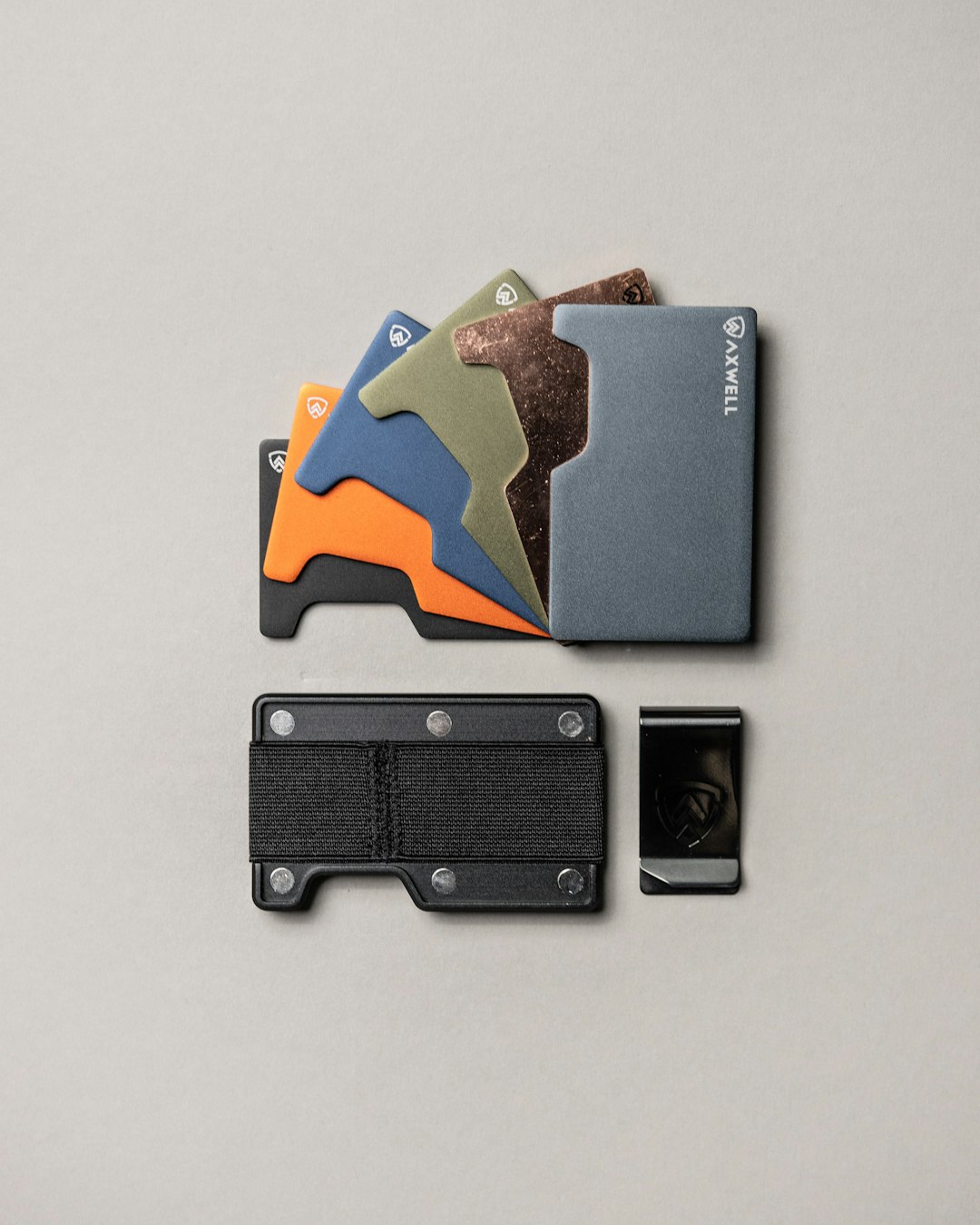
A seamless interface doesn’t just improve usability; it also minimizes the risk of errors during transactions — errors that could otherwise lead to the loss of funds.
3. Compatibility with Cryptocurrencies
Not all hardware wallets support every cryptocurrency. If you’re managing a diverse portfolio, ensuring compatibility with all your assets is essential.
- Supported Coins and Tokens: Always check the wallet’s website for an up-to-date list of supported crypto assets. Popular wallets usually support major cryptos like Bitcoin, Ethereum, and Litecoin but may vary when it comes to altcoins or NFTs.
- Third-party App Integration: Some wallets allow for integration with third-party applications such as MetaMask, enabling you to interact with decentralized applications (dApps) and DeFi platforms.
- Firmware Updates: Wallets that support adding new coins via regular firmware upgrades provide more long-term flexibility.
If you have plans to delve deeper into decentralized finance or explore new blockchain ecosystems, choose a wallet with broad and expandable compatibility.
4. Backup and Recovery Options
Even the most secure hardware wallet is susceptible to loss or physical damage. A good hard wallet should offer reliable backup and recovery options so that you can restore access to your assets in such events.
- Seed Phrase: Most wallets generate a 12, 18, or 24-word seed phrase during setup. This act as a backup that can restore the contents of the wallet on a new device if the original is lost or destroyed.
- Backup Tools: Some advanced devices are compatible with steel plates and fireproof solutions designed to store your seed phrase more securely than paper.
- Multi-signature Support: This feature requires more than one private key to authorize a transaction, offering an added layer of redundancy and protection.
Never store your seed phrase digitally. It should be written down and stored in a secure and offline location, like a safe or safety deposit box.
5. Build Quality and Portability
The physical construction of a hardware wallet plays a significant role in its reliability. Build quality not only influences durability but also how convenient the device is to use and carry.
- Material: Devices built from metal or high-grade plastic tend to withstand wear and tear better than cheap, unprotected models.
- Size and Weight: A compact and lightweight design makes it easier to transport and store discreetly.
- Water and Shock Resistance: Some wallets offer added resistance features, which can be extremely valuable in extreme environments or for frequent travelers.
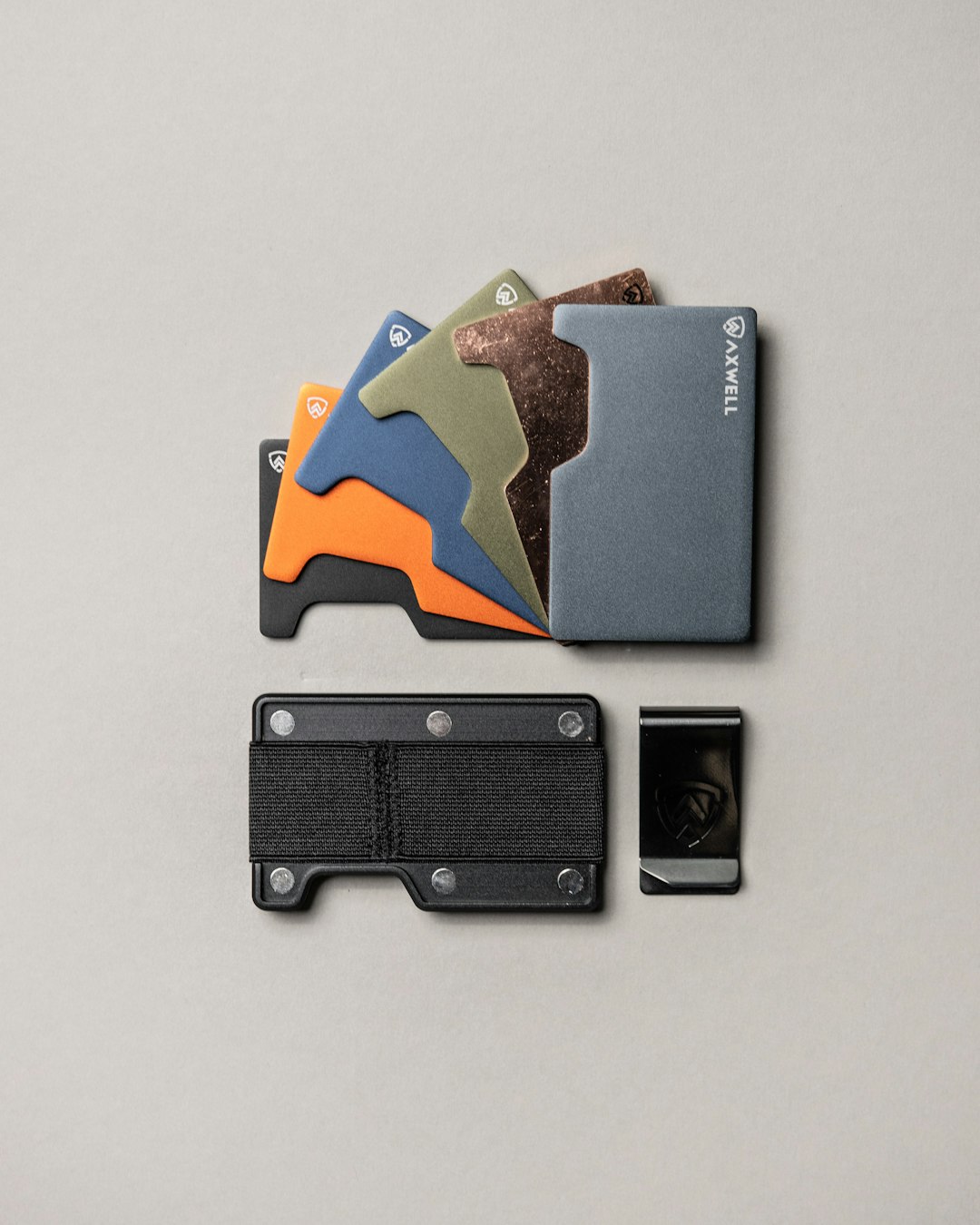
Robust build quality not only enhances the wallet’s lifespan but also boosts your confidence in storing significant sums of crypto assets on a device you can trust physically.
6. Backup Wallet Ecosystem and Support
Consider the broader ecosystem each wallet brand offers. A strong ecosystem means better software support, community resources, and compatible accessories.
- Dedicated Case or Accessories: Some brands offer protective cases, storage containers, or backup solutions designed specifically for their devices.
- Customer Service: Verify that the manufacturer provides responsive customer support and offers comprehensive documentation for troubleshooting.
- User Community: A large and active user base is an invaluable source of shared knowledge, tutorials, and reviews of updates or new features.
Before you buy, check public forums, Reddit threads, or review platforms to gain real-world insights from existing users of the device.
7. Price and Value
As with any purchase, price is a decisive factor. However, in the world of crypto, cutting corners on security can be disastrous. Instead of picking the cheapest option, weigh what you get for the price.
- Entry-Level vs. Premium: Budget devices, like the Ledger Nano S Plus, serve basic users well. Advanced crypto investors may benefit from premium models that support more functionality.
- Longevity: Cost should be evaluated in the context of long-term use. A more expensive device with durable components and wider support may offer better ROI.
- No Hidden Costs: Confirm there are no additional fees for firmware updates, software usage, or accessing essential features.
You’re not just buying a wallet — you’re investing in the security infrastructure around your financial future. Make sure it’s a tool you trust fully.
Conclusion
Choosing a hardware wallet is one of the most important decisions you can make as a cryptocurrency holder. With crypto, there’s no central authority to appeal to if things go wrong — self-custody means self-responsibility. By carefully evaluating wallets based on security, usability, coin compatibility, build quality, and price, you can select a tool that helps you manage your digital assets with peace of mind.
Even the most careful person can fall victim to scams or theft. Don’t let inferior hardware be your vulnerability. Choose wisely and invest in a hard wallet that offers protection, functionality, and future-proof reliability.

Comments are closed.