

Search engine optimization has evolved dramatically over the past two decades, and so have the tools marketers rely on. At one time, Yahoo stood as one of the dominant forces in search, offering its own suite of webmaster tools and search marketing services. Today, with Google commanding the largest share of global search traffic, many professionals wonder whether Yahoo SEO tools still hold any real value. This article takes a measured, practical look at Yahoo’s legacy and current SEO relevance.
TL;DR: Yahoo’s original SEO tools are no longer active in their standalone form, as Yahoo Search is powered largely by Microsoft’s Bing. While you can still optimize for Yahoo traffic, you’ll do so primarily through Bing Webmaster Tools. Yahoo itself no longer provides a competitive or unique SEO platform. For most modern SEO strategies, Yahoo-specific optimization plays a limited but not entirely irrelevant role.
The Rise and Fall of Yahoo as a Search Leader
In the early 2000s, Yahoo was a powerhouse in the search industry. Before Google’s dominance became absolute, Yahoo Search, along with AltaVista and others, attracted millions of daily users. To support website owners, Yahoo introduced tools such as:
- Yahoo Site Explorer
- Yahoo Search Marketing
- Yahoo Directory
These tools offered webmasters insight into backlinks, indexing status, and paid search opportunities. At the time, submitting your site to Yahoo Directory was considered a legitimate SEO practice. Yahoo Site Explorer, especially, was valued for backlink analysis.
However, the industry changed rapidly. In 2009, Yahoo and Microsoft formed the Search Alliance, an agreement under which Bing would power Yahoo’s organic and paid search results. Over time, Yahoo’s independent search technology faded away, and its proprietary SEO tools were phased out.
What Happened to Yahoo SEO Tools?
Most of Yahoo’s SEO-specific tools are no longer available in their original form. Here is what became of them:
- Yahoo Site Explorer – Discontinued in 2011.
- Yahoo Directory – Shut down in 2014.
- Yahoo Search Marketing – Transitioned into Microsoft Advertising.
Today, if someone refers to “Yahoo SEO tools,” they are either referring to outdated services or to Bing Webmaster Tools, which now handles indexing and search management for both Bing and Yahoo search engines.
From a practical standpoint, Yahoo no longer operates a standalone SEO ecosystem. Any optimization effort for Yahoo traffic now flows through Microsoft’s infrastructure.
Does Yahoo Still Matter for SEO?
The more relevant question is not whether Yahoo has tools, but whether optimizing for Yahoo makes sense in 2026.
Yahoo still has a user base, particularly among:
- Older demographics
- Users who keep Yahoo as their browser’s default homepage
- Email users who conduct searches through the Yahoo portal
However, Yahoo’s search results are largely powered by Bing. This means:
- Ranking well in Bing usually means ranking well in Yahoo.
- There is no separate Yahoo-specific optimization algorithm to target.
- You do not need a Yahoo-specific webmaster account.
In effect, Yahoo SEO is Bing SEO.
Bing Webmaster Tools: The Real Replacement
Since Yahoo relies on Bing, the tools that matter most for Yahoo visibility are found inside Bing Webmaster Tools. This platform offers legitimate and valuable SEO features, including:
- Site performance reports
- Keyword data
- Backlink analysis
- Index coverage diagnostics
- Technical SEO recommendations
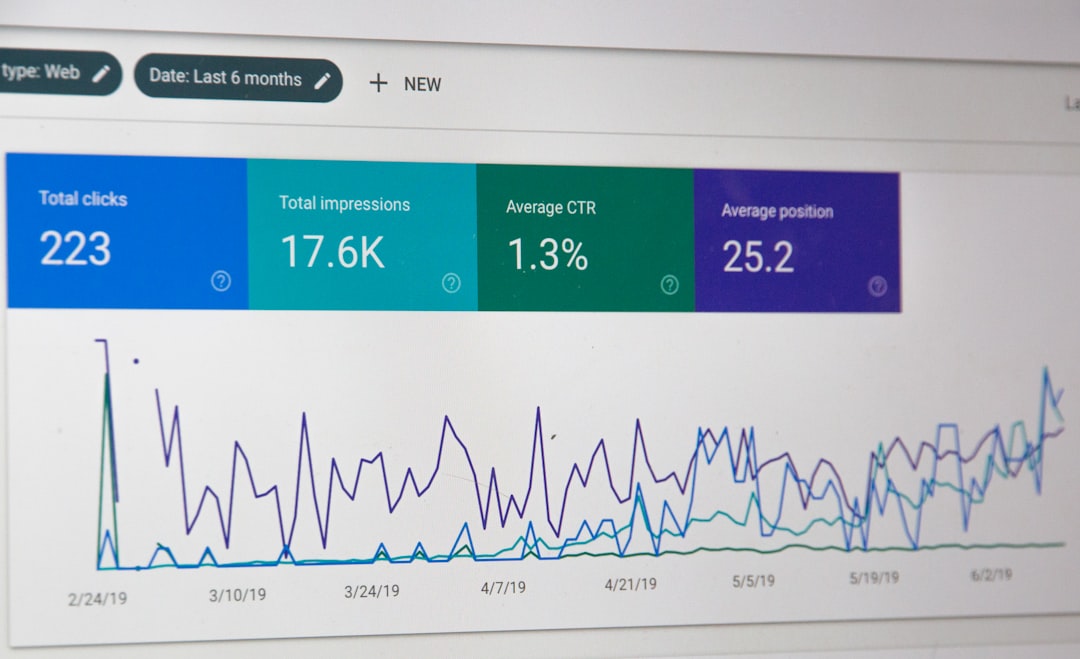
Bing Webmaster Tools has improved significantly in recent years. Its interface is clean, data is reasonably detailed, and it integrates well with Microsoft Clarity for user behavior analysis.
If your goal is to capture Yahoo traffic:
- Verify your website in Bing Webmaster Tools.
- Submit your sitemap.
- Monitor crawl and index reports.
- Optimize content using Bing’s ranking guidelines.
This indirect approach is the only realistic way to optimize for Yahoo search today.
Are There Any Unique Optimization Factors for Yahoo?
Given that Yahoo search is powered by Bing, there are no truly unique Yahoo ranking factors anymore. However, Bing’s algorithm does differ somewhat from Google’s. If you want broader coverage (Google, Bing, and Yahoo), you should consider these Bing-specific tendencies:
- Exact match keywords still carry somewhat stronger weight than in Google.
- Meta keywords have minimal but slightly more visibility than with Google (though still not essential).
- Strong domain authority and age remain influential.
- Social signals may correlate more visibly with ranking performance.
Bing also tends to favor:
- Clear metadata structure
- Well-organized site architecture
- Authoritative backlinks from established domains
By optimizing for Bing, you automatically position your site for Yahoo traffic as well.
Limitations of Relying on Yahoo Traffic
Even though Yahoo is still operational, there are strategic limitations to relying heavily on Yahoo-origin traffic:
- Smaller market share: Yahoo’s direct traffic is modest compared to Google.
- No independent search innovation: Development depends largely on Microsoft.
- Limited advanced SEO support: No proprietary analytics tools or search console.

For most businesses, Yahoo traffic represents a supplementary channel rather than a primary SEO objective. Nevertheless, depending on your niche and demographic targeting, even a small percentage of additional search visibility can contribute meaningful revenue.
Who Should Still Care About Yahoo SEO?
While Yahoo-specific optimization no longer exists, certain businesses should still monitor Bing and Yahoo visibility carefully:
- Local service providers targeting older customer bases
- Financial and insurance companies with broad demographic reach
- Government and educational websites
- B2B companies where corporate environments often default to Microsoft ecosystems
In corporate environments where Microsoft Edge and Bing are default search tools, Yahoo traffic may appear more frequently than expected.
Is There Any SEO Value in Yahoo Directory-Type Links Today?
In the past, inclusion in Yahoo Directory was a prestige signal. Today, link directories carry minimal SEO value and can even be harmful if they are low quality.
Modern SEO best practices emphasize:
- Editorial backlinks
- Authority-driven mentions
- Digital PR strategies
- High-quality content marketing
There is no legitimate “Yahoo submission” shortcut in today’s SEO environment. Any service claiming guaranteed Yahoo ranking should be approached with caution.
Final Verdict: Can You Still Use Yahoo SEO Tools Today?
Technically, no. Yahoo no longer offers standalone SEO tools or a separate optimization pathway. However, the spirit of Yahoo SEO lives on through Bing Webmaster Tools.
If you phrase the question more accurately: Can you optimize for Yahoo search results today? The answer is yes — but by optimizing for Bing.
The key takeaways are:
- Yahoo’s original SEO tools are discontinued.
- Yahoo Search runs primarily on Bing’s technology.
- Bing Webmaster Tools is the correct platform for Yahoo visibility.
- Yahoo traffic can still contribute incremental value.
For serious SEO professionals, Yahoo should not be a primary focus, but neither should it be ignored entirely. A well-rounded optimization strategy that includes Bing ensures coverage across both platforms without additional complexity.
In today’s SEO landscape, efficiency matters. Rather than chasing outdated Yahoo-specific tools, invest in comprehensive technical optimization, authoritative content, and multi-engine visibility strategies. That approach will capture Google, Bing, Yahoo, and emerging AI-influenced search experiences simultaneously.
The bottom line: Yahoo SEO as we once knew it is gone, but Yahoo search visibility remains accessible through Bing. Focus your efforts accordingly.

Comments are closed.