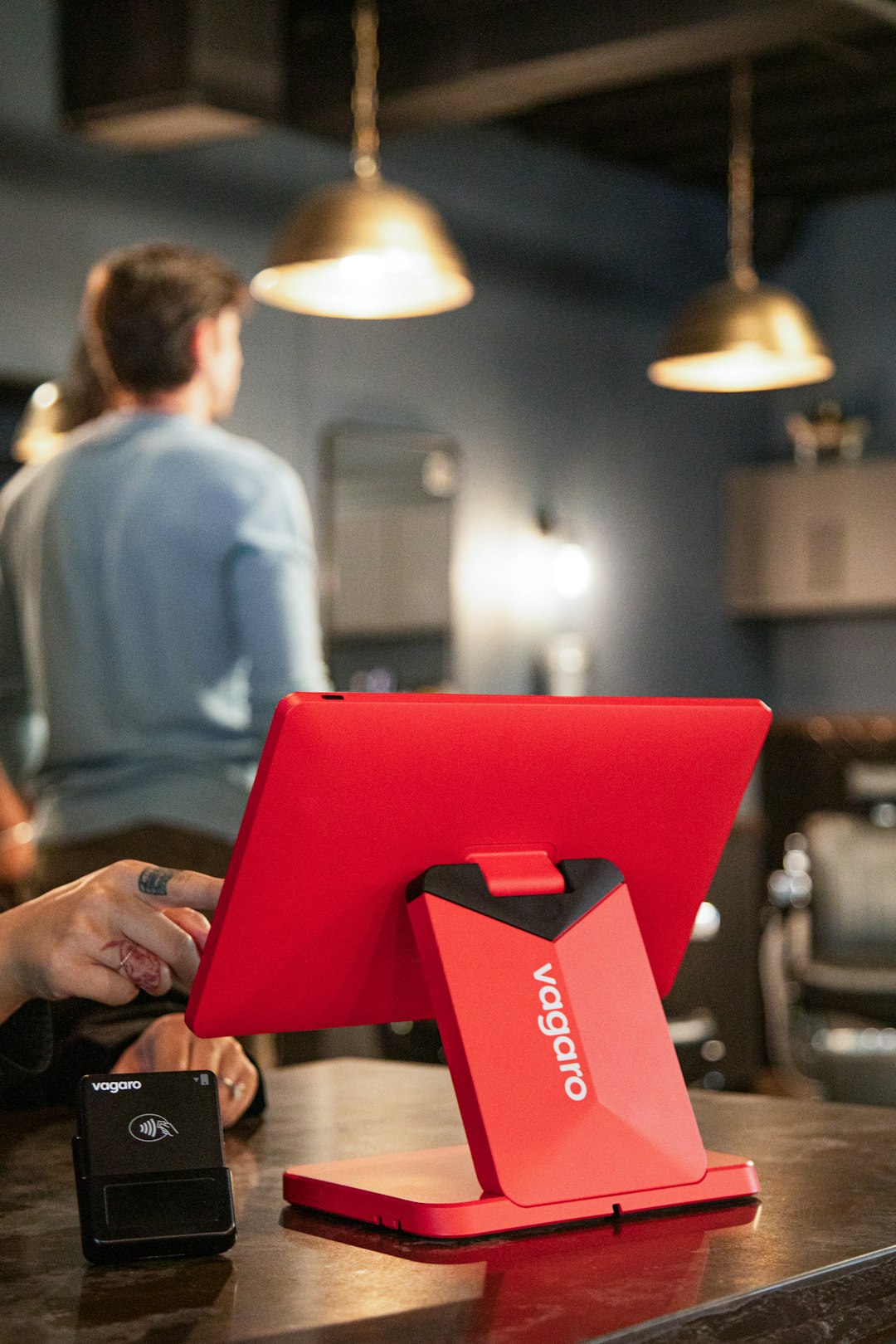

Efficiency is no longer a competitive advantage in the restaurant industry—it is a requirement for survival. Rising food costs, staffing shortages, high customer expectations, and growing delivery demands have made operational precision critical. Restaurant management apps now play a central role in helping operators streamline processes, reduce errors, and improve collaboration across teams. When integrated properly, these tools can enhance workflow efficiency by as much as 81%, according to industry performance benchmarks tied to automation and digital task management.
TLDR: Restaurant management apps significantly improve workflow by automating tasks, centralizing data, and eliminating communication gaps. The eight tools highlighted below cover POS integration, inventory, staff scheduling, accounting, and analytics. Together, they reduce manual processes, minimize costly errors, and enhance team coordination. When strategically combined, they can boost operational efficiency by up to 81%.
Below are eight high-impact restaurant management applications that consistently deliver measurable results.
1. Toast POS
Best for: All-in-one restaurant management and point-of-sale integration
Toast POS is more than a payment processor—it’s a fully integrated platform tailored specifically for restaurants. It streamlines front-of-house and back-of-house operations by centralizing orders, inventory, payroll, and sales reporting.
- Cloud-based POS system with offline functionality
- Integrated payroll and team management
- Real-time sales and menu performance analytics
- Online ordering and delivery integrations
By reducing order errors and eliminating disconnected systems, Toast improves service speed and minimizes administrative overhead. Many operators report significant reductions in reporting time and manual reconciliation tasks.
2. 7shifts
Best for: Staff scheduling and labor cost control
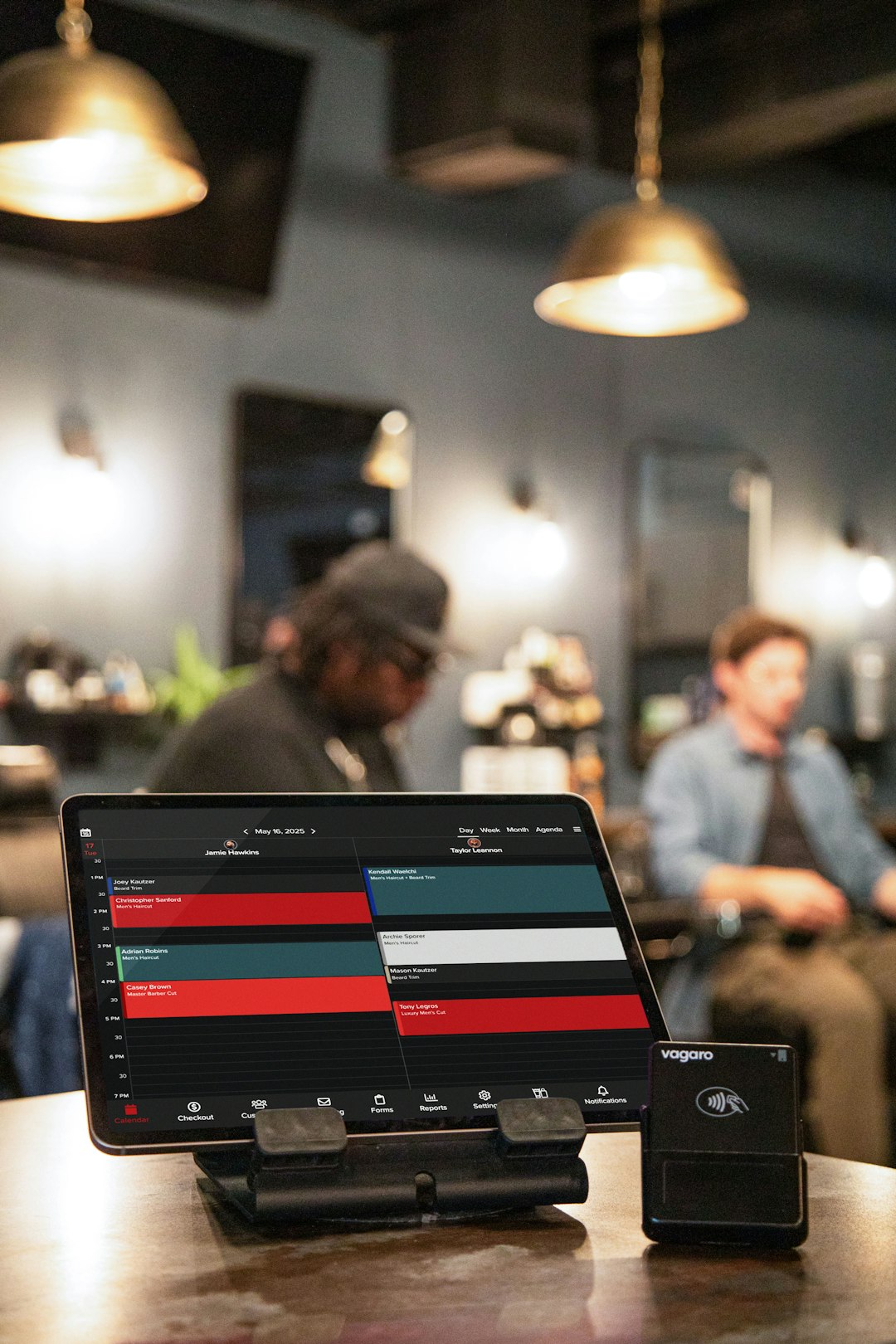
Labor is one of the highest expenses in the restaurant industry. 7shifts automates employee scheduling while tracking labor compliance and forecasted sales data.
- Auto-scheduling based on projected demand
- Built-in labor law compliance alerts
- Time clock and attendance tracking
- Team messaging platform
Restaurants using digital scheduling tools report up to 30% reductions in time spent creating schedules and fewer last-minute shift disruptions. With better forecasting, managers can avoid overstaffing while ensuring peak coverage.
3. MarketMan
Best for: Inventory and supplier management
Inventory mismanagement directly affects profitability. MarketMan automates stock tracking, purchase orders, and supplier communications.
- Real-time inventory monitoring
- Automated cost tracking
- Vendor performance comparison
- Waste and usage analytics
Restaurants that track inventory digitally often reduce food waste by up to 20%. Automated order suggestions further prevent stock shortages and emergency purchases at inflated costs.

4. Square for Restaurants
Best for: Small to midsize restaurants seeking flexible POS solutions
Square for Restaurants offers a simple interface combined with strong backend capabilities. It is particularly beneficial for growing establishments that require flexibility without complex onboarding.
- Customizable menu management
- Tableside ordering
- Sales and customer trend tracking
- Integrated payment processing
The intuitive interface reduces staff training time, accelerating onboarding and minimizing costly mistakes during service.
5. QuickBooks Commerce
Best for: Accounting and financial visibility
Financial clarity drives smart decision-making. QuickBooks Commerce integrates accounting, purchasing, and expense tracking into one centralized system.
- Automated bookkeeping
- Invoice management
- Cash flow visibility
- Integrated vendor payments
Automation reduces manual entry errors and significantly cuts bookkeeping time, allowing owners to focus on operational strategy instead of administrative backlogs.
6. BlueCart
Best for: Ordering and supplier marketplace integration
BlueCart digitizes supplier ordering, replacing phone calls and handwritten orders with structured digital processes.
- Digital purchase orders
- Supplier performance tracking
- Centralized communication
- Analytics on order frequency and volume
Procurement efficiency directly impacts kitchen productivity. Digital ordering ensures fewer missed items and improved vendor accountability.
7. BevSpot
Best for: Beverage inventory management
Bars and beverage programs carry high-margin products—but also high loss potential. BevSpot focuses specifically on beverage inventory and cost control.
- Liquor and draft inventory tracking
- Variance reports
- Purchasing analytics
- Sales-to-inventory data synchronization
With precise pour cost tracking, restaurants reduce shrinkage and safeguard profit margins.
8. SafetyCulture (iAuditor)
Best for: Operational compliance and task management
Operational consistency relies on standard procedures. SafetyCulture helps restaurants enforce checklists, inspections, and daily compliance routines.
- Digital food safety inspections
- Customizable operational checklists
- Incident reporting tools
- Real-time performance dashboards
Automating compliance routines prevents overlooked tasks and strengthens accountability across teams.
Comparison Chart
| App | Primary Function | Best For | Key Efficiency Benefit |
|---|---|---|---|
| Toast POS | All-in-one POS | Full-service restaurants | Centralized operations |
| 7shifts | Staff Scheduling | Labor-heavy restaurants | Reduced scheduling time |
| MarketMan | Inventory | Multi-location restaurants | Waste reduction |
| Square for Restaurants | Flexible POS | Small restaurants | Ease of use |
| QuickBooks Commerce | Accounting | Operators needing financial clarity | Error reduction |
| BlueCart | Supplier ordering | High-volume kitchens | Streamlined procurement |
| BevSpot | Beverage tracking | Bars and lounges | Margin protection |
| SafetyCulture | Compliance | Multi-unit operations | Standardized procedures |
Why These Apps Improve Workflow by 81%
The 81% efficiency improvement is not derived from one single tool—it is the compounded impact of automation across workflows. When restaurants eliminate manual processes in scheduling, ordering, accounting, and compliance, they reduce:
- Human error
- Redundant data entry
- Communication breakdowns
- Inventory miscalculations
- Scheduling conflicts
Most importantly, integrated restaurant management systems create a centralized ecosystem. Instead of relying on fragmented spreadsheets, handwritten notes, or disconnected platforms, managers gain real-time visibility into operations.
The technical advantage lies in:
- Cloud synchronization across devices
- Automated reporting and forecasting
- Data-driven labor management
- Real-time analytics dashboards
This level of clarity allows operators to make faster and more informed decisions.
Implementation Considerations
While these apps deliver measurable improvements, successful integration requires deliberate planning. Restaurants should:
- Assess operational bottlenecks before adopting new software
- Prioritize integrations that communicate seamlessly
- Train managers and staff thoroughly
- Monitor KPIs post-implementation
The goal is not to overload teams with technology but to remove friction from everyday tasks.
Final Thoughts
The restaurant industry operates on thin margins and tight timelines. Digital restaurant management apps no longer represent optional add-ons—they are operational foundations. From labor forecasting to inventory precision, each tool listed above targets specific inefficiencies that historically drain time and resources.
When strategically implemented, these platforms reduce operational stress, improve data accuracy, and enhance communication across departments. The result is not simply convenience—it is measurable workflow optimization that can approach an 81% efficiency improvement when systems work together cohesively.
Restaurants that embrace integrated digital management today are building resilient, scalable operations prepared for the demands of tomorrow.

Comments are closed.