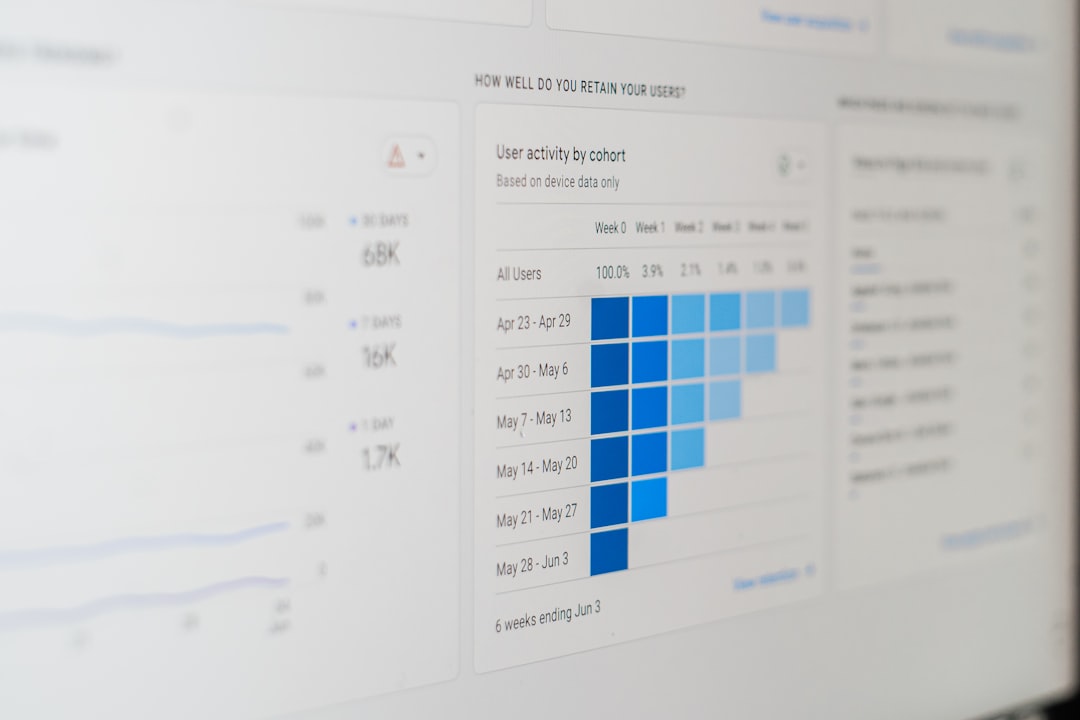

In today’s fiercely competitive online marketplace, e-commerce brands can no longer rely on guesswork. Data-driven decisions separate thriving stores from those that plateau. Modern analytics apps promise not just more data, but smarter insights—delivering up to 87% more actionable intelligence by leveraging automation, AI, and predictive modeling. The result is higher conversions, improved customer retention, and maximized profits.
TLDR: E-commerce analytics apps now use AI-powered insights, predictive reporting, and real-time dashboards to help brands make up to 87% smarter decisions. These tools optimize pricing, marketing spend, product inventory, and customer retention. This article explores six powerful apps that help e-commerce businesses maximize profits using advanced analytics. A detailed comparison chart and FAQs are included at the end.
Advanced analytics platforms do more than summarize historical sales. They analyze customer behavior patterns, forecast demand, identify high-value segments, and uncover bottlenecks in marketing funnels. Below are six leading e-commerce apps that empower online stores to turn data into profit.
1. Triple Whale – Smart Attribution for Scaling Brands
Triple Whale has emerged as a favorite among fast-growing Shopify brands. Its strength lies in multi-channel attribution analytics, providing store owners with clarity across paid ads, email campaigns, and SMS marketing.
- Real-time performance dashboards
- AI-based creative analytics
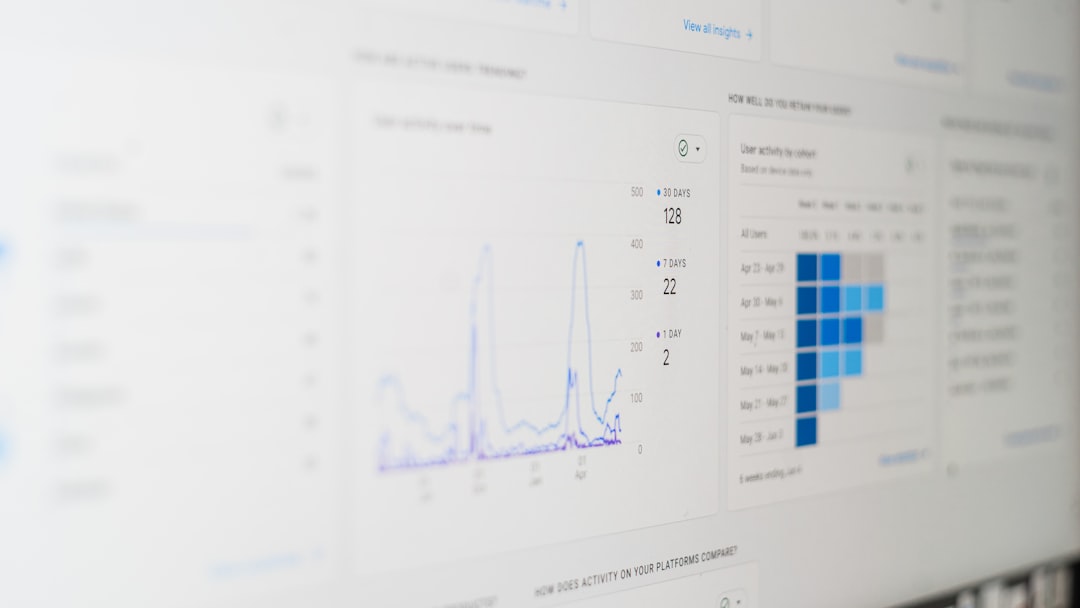
- Automated cohort tracking
- LTV (Lifetime Value) forecasting
Brands using Triple Whale report sharper ad spend optimization because they can pinpoint which creative assets actually drive revenue—not just clicks. By aligning ad budgets with true revenue impact, businesses significantly increase return on ad spend (ROAS).
2. Glew.io – Unified Commerce Intelligence
Glew.io centralizes data from multiple platforms including Shopify, Amazon, Google Analytics, and various ad networks. Instead of juggling multiple tools, merchants access one unified dashboard.
What makes Glew powerful:
- Pre-built KPI dashboards
- Customer segmentation tools
- Product profitability analysis
- Automated reporting
Its predictive analytics features identify customers most likely to churn and those most likely to repurchase. With automated segmentation, marketing teams tailor personalized campaigns that improve retention rates and maximize revenue per user.
3. Lifetimely – Profit Tracking & LTV Intelligence
Lifetimely specializes in profit analytics, a critical but often overlooked metric. Revenue means little without visibility into shipping, product costs, paid ads, and transaction fees.
- True net profit calculations
- Customer lifetime value projections
- Cohort breakdown analysis
- Break-even ROAS metrics
The app helps businesses understand how long it takes to recover acquisition costs. This enables smarter reinvestment decisions and more aggressive—but controlled—scaling strategies.
4. Daasity – Enterprise-Level Data Warehousing
For larger operations handling omnichannel sales, Daasity functions as a comprehensive data warehouse and analytics hub. It pulls information from ERP systems, retail POS, fulfillment software, and digital channels.
Key capabilities:
- Custom BI dashboard creation
- Automated ETL (Extract, Transform, Load) processes
- Inventory forecasting models
- Cross-channel performance comparisons
Brands using Daasity benefit from visibility across online and offline performance, ensuring inventory levels align with anticipated demand. This reduces stockouts and overstock scenarios—both of which drain profits.
5. Polar Analytics – Automated Data Storytelling
Polar Analytics transforms complex datasets into visual, easy-to-digest reports. Rather than exporting spreadsheets, teams receive automated insight breakdowns.
- AI-generated daily summaries
- Custom attribution models
- Subscription revenue tracking
- Ad platform synchronization
This tool is especially valuable for lean teams without dedicated analysts. By presenting prioritized recommendations, it delivers insights that lead directly to action—reducing analysis paralysis.

6. Peel Insights – Performance Optimization Simplified
Peel Insights focuses on clarity and simplicity while delivering robust analytics capabilities. It integrates deeply with Shopify and ad platforms, offering profitability-centric dashboards.
- Marketing channel comparisons
- Blended CAC measurement
- Real-time profit monitoring
- Custom KPI tracking
Its standout feature is automated anomaly detection, alerting businesses when KPIs drift outside ideal thresholds. Early detection of declining conversion rates or rising costs prevents revenue loss.
Comparison Chart: Top E-commerce Analytics Apps
| App | Best For | Core Strength | Predictive Analytics | Ideal Business Size |
|---|---|---|---|---|
| Triple Whale | Ad Attribution | Creative & marketing tracking | Yes | Scaling Shopify Brands |
| Glew.io | Multi-Channel Sellers | Unified commerce dashboard | Yes | SMBs to Mid-Sized |
| Lifetimely | Profit Tracking | LTV & cost clarity | Yes | Growth-Focused DTC |
| Daasity | Omnichannel Brands | Enterprise data warehousing | Advanced | Mid-Size to Enterprise |
| Polar Analytics | Lean Teams | Data storytelling | Yes | SMBs |
| Peel Insights | Simplified Profit View | Automated anomaly alerts | Yes | Shopify Stores |
How Smarter Analytics Boost Profits by 87%
While the 87% figure varies by implementation, merchants consistently see major improvements when switching from siloed spreadsheets to AI-assisted dashboards. The increase comes from five core optimization areas:
- Improved Ad Spend Efficiency: Allocating budget to the most profitable channels.
- Higher Customer Retention: Using lifecycle analytics to personalize offers.
- Better Inventory Planning: Reducing working capital waste.
- Accurate Profit Visibility: Making pricing and discount decisions with full cost data.
- Faster Decision-Making: Real-time dashboards eliminate lag.
When brands combine predictive LTV modeling, real-time attribution, and automated forecasting, they move beyond reactive business management. Instead of asking, “What happened last month?” they ask, “What will happen next week?” That strategic shift creates measurable profit acceleration.
Choosing the Right Analytics App
Selecting the ideal platform depends on several factors:
- Business Size – Enterprise brands may need data warehousing tools like Daasity.
- Advertising Complexity – Multi-platform advertisers benefit from attribution-heavy tools like Triple Whale.
- Profit Transparency Needs – Brands focused on margin clarity may prefer Lifetimely.
- Team Resources – Lean teams often choose Polar Analytics for simplicity.
Before implementing any solution, businesses should audit their current blind spots. Whether it’s unclear CAC metrics, unpredictable churn, or inconsistent inventory turnover, the right tool directly addresses those weaknesses.
Frequently Asked Questions (FAQ)
1. Are e-commerce analytics apps difficult to implement?
Most modern apps offer plug-and-play integrations with Shopify, WooCommerce, and major ad platforms. More advanced enterprise tools may require developer assistance.
2. Can small businesses benefit from advanced analytics?
Yes. Even small stores can significantly improve ad spend efficiency and customer retention using accessible analytics platforms like Polar Analytics or Lifetimely.
3. How quickly can businesses see ROI?
Many brands observe measurable improvements within 30 to 60 days, especially when optimizing paid media campaigns using better attribution insights.
4. Do these tools replace Google Analytics?
No. They often complement or enhance Google Analytics by focusing specifically on profitability and commerce metrics.
5. What is the most important metric for maximizing profit?
Customer Lifetime Value (LTV) combined with Customer Acquisition Cost (CAC) is considered the most critical profitability metric.
6. Are predictive analytics worth the investment?
Yes. Predictive modeling improves forecasting accuracy, enabling more confident marketing and inventory decisions.
In an era where margins are tight and competition is relentless, smarter analytics is no longer optional. The right e-commerce app does more than report numbers—it illuminates opportunity. Brands that harness AI-driven insights, predictive modeling, and real-time dashboards elevate their strategy from reactive guesswork to precision optimization. That shift can mean the difference between surviving and scaling.

Comments are closed.