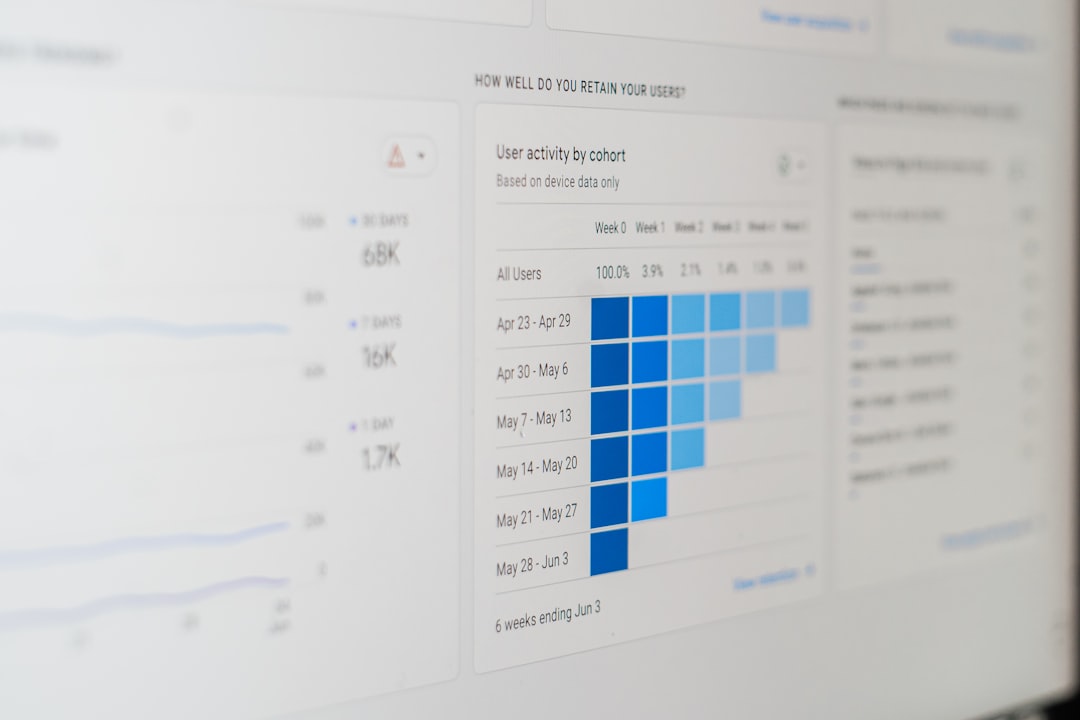

Modern software systems are increasingly distributed, cloud native, and complex. As a result, observability and Application Performance Monitoring (APM) tools have become essential for engineering teams that want deep visibility into their applications, infrastructure, and user experience. While SigNoz has gained attention as an open source observability platform built on OpenTelemetry, it is not the only option available. Several robust alternatives provide powerful monitoring, tracing, logging, and alerting capabilities tailored to different team sizes and technical requirements.
TLDR: SigNoz is a popular open source observability platform, but several strong alternatives offer comparable or broader APM capabilities. Tools like Datadog, New Relic, Grafana Cloud, Dynatrace, Elastic Observability, and Honeycomb each provide distinct advantages across monitoring, tracing, logging, and analytics. The right choice depends on factors such as budget, scalability, ease of use, and level of automation. Teams should evaluate integrations, pricing models, and deployment flexibility before selecting a solution.
Below are six powerful tools similar to SigNoz for observability and APM, along with a comparison to help teams decide which platform best fits their needs.
1. Datadog
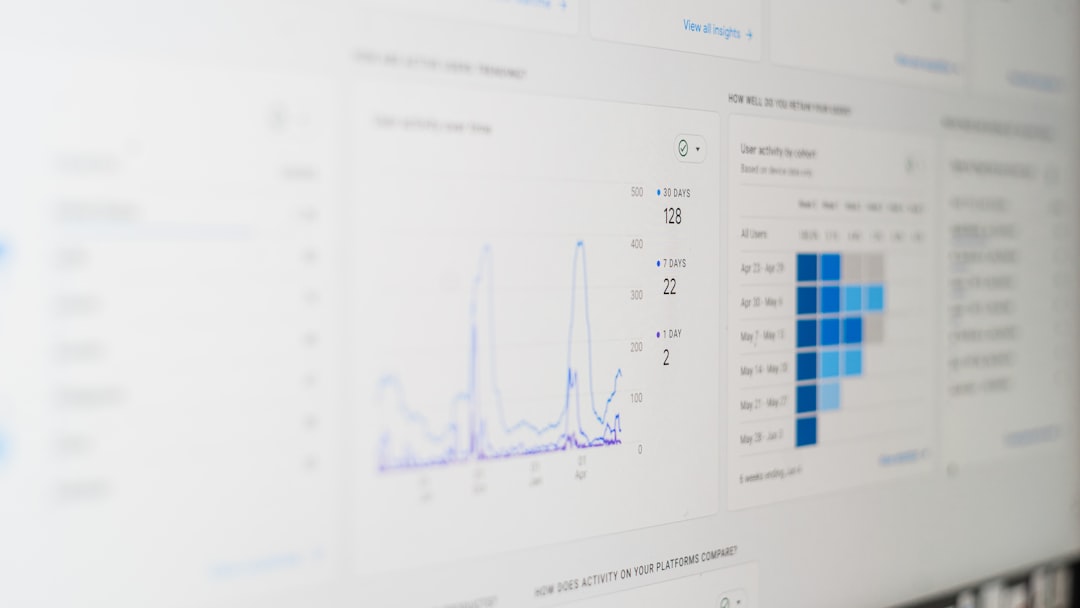
Datadog is a comprehensive, cloud based observability platform designed for modern applications and infrastructure. It supports full stack monitoring, including APM, logs, metrics, security monitoring, and real user monitoring (RUM).
Key features:
- Distributed tracing for microservices environments
- Real time metrics and logs correlation
- AI driven anomaly detection
- Extensive integrations with cloud providers and tools
Strength: Datadog excels in usability and breadth of features. Its unified platform allows teams to monitor infrastructure, services, and user experience from a single interface.
Best for: Organizations seeking a scalable, enterprise ready solution with strong support and integrations.
2. New Relic
New Relic is one of the most established names in the APM space. It offers an all in one observability platform that includes application monitoring, infrastructure monitoring, logs, and synthetic testing.
Key features:
- End to end distributed tracing
- Custom dashboards and telemetry visualizations
- OpenTelemetry support
- Real time alerting and incident management
Strength: New Relic provides deep insights into application performance and user behavior, making it suitable for performance optimization and troubleshooting.
Best for: Teams that want a mature, highly customizable observability platform with strong developer tools.
3. Grafana Cloud
Grafana Cloud builds on the popularity of the open source Grafana visualization platform and combines metrics, logs, and traces into a unified observability solution. It integrates with Prometheus, Loki, and Tempo.
Image not found in postmetaKey features:
- Powerful and highly customizable dashboards
- Prometheus based metrics monitoring
- Log aggregation through Loki
- Distributed tracing via Tempo
Strength: Exceptional flexibility and visualization capabilities. It is especially appealing to teams already using open source monitoring tools.
Best for: DevOps teams comfortable with open source ecosystems who want granular control over their observability stack.
4. Dynatrace
Dynatrace is an AI powered observability and security platform designed for complex cloud native environments. It provides automated discovery, performance monitoring, and root cause analysis.
Key features:
- Automatic dependency mapping
- AI driven root cause detection
- Full stack monitoring across hybrid and multi cloud environments
- Advanced digital experience monitoring
Strength: Dynatrace stands out for automation. Its intelligent engine reduces manual configuration and accelerates issue detection.
Best for: Enterprises operating large, complex infrastructures that benefit from AI assisted monitoring.
5. Elastic Observability
Elastic Observability is built on the Elastic Stack (Elasticsearch, Logstash, Kibana). It unifies logs, metrics, and APM in one flexible platform with powerful search capabilities.
Key features:
- Log centric observability
- Advanced search and analytics
- APM agents for multiple languages
- Custom dashboards in Kibana
Strength: Powerful querying and analytics for log heavy environments.
Best for: Teams needing detailed log analysis alongside performance monitoring.
6. Honeycomb
Honeycomb focuses on high cardinality data and event driven observability. It enables engineering teams to debug production issues by exploring massive datasets quickly.
Key features:
- High cardinality event based data model
- Fast querying for debugging complex systems
- OpenTelemetry native support
- Collaborative investigation tools
Strength: Honeycomb is particularly strong in deep debugging and exploratory analysis.
Best for: Engineering teams managing microservices architectures who require detailed trace level visibility.
Comparison Chart
| Tool | Deployment Model | AI Automation | OpenTelemetry Support | Best For |
|---|---|---|---|---|
| Datadog | Cloud based | Yes | Yes | Full stack enterprise monitoring |
| New Relic | Cloud based | Limited AI features | Yes | Customizable performance monitoring |
| Grafana Cloud | Cloud and hybrid | Minimal | Yes | Open source focused teams |
| Dynatrace | Cloud and on premises | Advanced AI | Yes | Large scale enterprises |
| Elastic Observability | Cloud and self hosted | Limited | Yes | Log intensive environments |
| Honeycomb | Cloud based | Exploratory analytics focused | Yes | Microservices debugging |
How to Choose the Right Observability Tool
Selecting an observability solution similar to SigNoz depends on several factors:
- Infrastructure complexity: More distributed systems may require advanced tracing.
- Budget constraints: Some platforms offer flexible pricing, while others target enterprises.
- Customization needs: Open source based tools provide greater flexibility.
- Automation requirements: AI driven insights can reduce operational overhead.
- Integration ecosystem: Compatibility with existing tools is critical.
While SigNoz offers an attractive open source alternative built around OpenTelemetry, these six tools provide compelling features that might better fit certain technical or organizational contexts.
Frequently Asked Questions (FAQ)
1. What is observability in software systems?
Observability refers to the ability to understand the internal state of a system by analyzing metrics, logs, and traces. It helps teams monitor performance, detect anomalies, and troubleshoot issues efficiently.
2. How is APM different from observability?
APM focuses specifically on monitoring and optimizing application performance, while observability encompasses a broader view that includes infrastructure, logs, metrics, and distributed traces.
3. Are open source observability tools reliable for production use?
Yes, many open source tools such as Grafana and Elastic are production ready. However, they may require more manual configuration and maintenance compared to fully managed services.
4. Which tool is best for microservices architecture?
Tools like Datadog, Dynatrace, and Honeycomb are particularly strong in microservices environments due to advanced distributed tracing and dependency mapping capabilities.
5. What role does OpenTelemetry play in observability?
OpenTelemetry provides a vendor neutral standard for collecting and exporting telemetry data. Many modern observability tools support it, allowing teams to avoid vendor lock in.
6. How important is AI in modern APM tools?
AI driven monitoring can automate anomaly detection and root cause analysis, significantly reducing mean time to resolution (MTTR), especially in complex cloud native environments.
By carefully evaluating these alternatives to SigNoz, organizations can implement an observability strategy that improves system reliability, accelerates troubleshooting, and enhances overall application performance.

Comments are closed.