

Mobile applications are in a constant state of evolution. Users expect seamless experiences, intuitive interfaces, and high performance across devices. To meet these expectations, product teams rely on mobile A/B testing software to experiment with features, designs, and user flows before committing to permanent changes. By systematically comparing variations, companies can make data-driven decisions that improve engagement, retention, and revenue.
TLDR: Mobile A/B testing software allows teams to compare multiple versions of app features to determine which performs best. It enables data-driven optimization of user experience, engagement, and monetization strategies. By leveraging real-time analytics, segmentation, and controlled experimentation, businesses reduce risk and accelerate product growth. Effective implementation requires clear goals, strong metrics, and ongoing iteration.
What Is Mobile A/B Testing?
Mobile A/B testing, sometimes referred to as split testing, is a method of comparing two or more variations of a mobile app feature to determine which performs better according to predefined metrics. Users are randomly divided into groups, with each group exposed to a different version of the feature.
For example, a company may test:
- Two onboarding sequences to measure completion rates
- Different button colors to evaluate click-through rates
- Alternative pricing displays to optimize conversions
- Push notification timing to improve engagement
The variation that achieves statistically significant improvement becomes the preferred option for full rollout.
Why Mobile Apps Need Dedicated A/B Testing Software
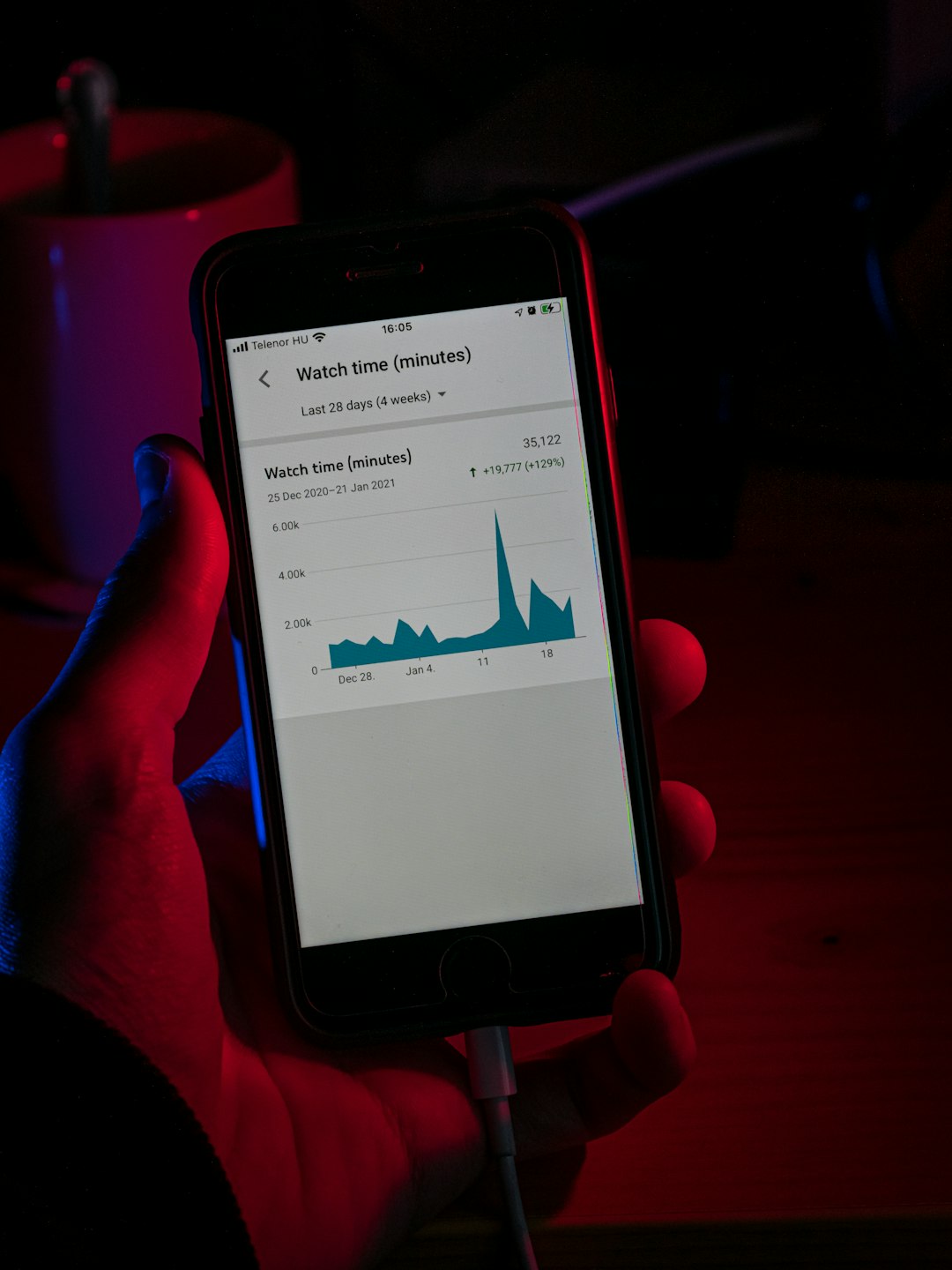
Unlike web environments, mobile ecosystems present unique challenges. App store review processes, diverse device specifications, operating system fragmentation, and network variability all complicate experimentation. Dedicated mobile A/B testing software addresses these issues by offering controlled release mechanisms and real-time analytics without requiring repeated app store updates.
Key benefits include:
- Remote configuration: Modify in-app features without pushing new versions.
- Real-time reporting: Track metrics as tests run.
- User segmentation: Target experiments to specific demographics or behaviors.
- Crash and performance monitoring: Ensure experiments do not degrade stability.
These capabilities empower teams to experiment frequently while minimizing risk.
Core Features of Mobile A/B Testing Software
1. Experiment Creation and Management
Modern platforms offer intuitive dashboards for creating experiments. Product managers define test variants, set traffic allocation percentages, and establish duration timelines. Many tools allow multivariate testing, where multiple elements change simultaneously.
2. Audience Segmentation
Segmentation ensures the right users see the right test. Teams can filter by:
- Location
- Device type
- Operating system version
- User behavior history
- Subscription status
This prevents irrelevant exposure and sharpens the accuracy of insights.
3. Statistical Significance Calculation
Reliable software automatically calculates statistical confidence levels. It determines when enough data has been collected to draw valid conclusions, reducing the risk of premature decisions.
4. Feature Flagging
Feature flags work alongside A/B testing to control who sees specific functionality. This approach allows gradual rollouts, internal testing, and immediate rollback if performance drops or bugs emerge.
5. Integration Capabilities
Leading solutions integrate with analytics tools, customer data platforms, and attribution systems. Integration ensures experiment data contributes to broader business intelligence strategies.
Key Metrics for Optimizing Mobile Features
A/B testing is only as effective as the metrics being measured. For mobile optimization, teams typically focus on:
- Retention rate: The percentage of users returning after first use
- Session length: Time spent within the app
- Conversion rate: Completed actions such as purchases or sign-ups
- Churn rate: Users who stop using the app
- Average revenue per user (ARPU): Revenue generated per user segment

Aligning tests with specific performance indicators ensures experiments have direct business impact rather than superficial improvements.
Use Cases for Mobile A/B Testing
Optimizing Onboarding Flows
First impressions are critical. Testing variations in onboarding tutorials, account setup steps, or welcome messages can significantly influence retention. For instance, simplifying registration fields might reduce abandonment.
Enhancing User Interface Design
Small UI adjustments can lead to measurable differences. Changing button placement, adjusting color contrast, or reorganizing navigation menus can improve usability and task completion rates.
Improving In-App Purchases
E-commerce and subscription-based apps often test pricing tiers, discount presentations, or checkout sequences. Optimized monetization flows can increase lifetime customer value.
Push Notification Strategy
Notifications can either re-engage users or cause annoyance. Testing frequency, messaging tone, and send times helps strike the right balance.
Feature Adoption
When launching a new capability, companies may test different introduction methods—such as tooltips, banners, or email prompts—to determine what drives the highest adoption rates.
Best Practices for Effective Mobile A/B Testing
Define Clear Hypotheses
Each test should start with a specific, measurable hypothesis. Instead of vaguely aiming to “increase engagement,” teams might propose that moving a call-to-action button higher on the screen will raise completion rates by 10%.
Test One Variable at a Time
Unless conducting multivariate experiments, isolating a single variable ensures clearer insights. Simultaneous changes can cloud results and complicate interpretation.
Ensure Adequate Sample Size
Small samples can yield misleading outcomes. Testing software should provide projections indicating how long experiments must run to reach reliable conclusions.
Avoid Testing Bias
Randomized group allocation helps prevent skewed demographics. Consistency across user groups is essential for trustworthy comparisons.
Monitor Performance Impact
Beyond engagement metrics, teams must examine app performance indicators such as load time and crash rates. An attractive feature that slows performance may damage retention.

Challenges in Mobile A/B Testing
Despite its benefits, mobile A/B testing introduces certain complexities.
Platform Fragmentation
Different operating systems and device configurations can behave inconsistently. Testing must account for hardware diversity.
App Store Constraints
Unlike websites, mobile apps require approval for major updates. While feature flags reduce dependency on frequent releases, some changes still mandate version updates.
Data Privacy Regulations
Compliance with data protection laws such as GDPR and CCPA is critical. Testing software must include consent management and secure data handling practices.
Statistical Misinterpretation
Teams may prematurely conclude that a variation wins without reaching significance. Proper statistical education and reliable tools mitigate this risk.
The Role of Automation and AI
Emerging mobile A/B testing platforms now incorporate artificial intelligence to accelerate optimization. AI-driven experimentation systems can:
- Automatically allocate traffic toward higher-performing variants
- Identify hidden behavioral patterns
- Predict the impact of feature adjustments
- Recommend new experiment ideas based on historical data
These systems transform A/B testing from a reactive process into a proactive growth engine.
Implementing a Mobile A/B Testing Strategy
Successful adoption involves cross-functional collaboration. Product managers, developers, designers, and data analysts must work together to:
- Establish testing priorities aligned with business objectives
- Create a testing roadmap outlining planned experiments
- Deploy and monitor experiments consistently
- Analyze results and document learnings
- Iterate continuously based on insights gained
Documentation is particularly important. Maintaining a centralized record of completed tests prevents redundant experiments and builds institutional knowledge.
Measuring Long-Term Impact
While short-term performance improvements are valuable, the real measure of success lies in long-term user satisfaction and revenue growth. Teams should revisit winning variations periodically to ensure sustained gains.
Additionally, external factors such as market trends, seasonal behavior, and competitor activity may influence performance. Continuous experimentation ensures adaptability.
Conclusion
Mobile A/B testing software has become indispensable for organizations seeking to refine app features with precision. By enabling controlled experimentation, robust analytics, and data-driven decision-making, these tools reduce uncertainty in product development. Companies that integrate systematic testing into their workflows gain the ability to adapt rapidly, enhance user experiences, and maximize profitability in competitive app markets.
Frequently Asked Questions (FAQ)
1. What is the main difference between web and mobile A/B testing?
Mobile A/B testing must account for app store approvals, device fragmentation, and operating system constraints. Unlike web testing, mobile experiments often rely on SDK integrations and feature flags to manage releases.
2. How long should a mobile A/B test run?
The duration depends on user volume and desired statistical confidence. Most tests run until they reach statistical significance, which can take days or weeks depending on traffic.
3. Can A/B testing negatively affect user experience?
If poorly implemented, yes. Inadequately tested variations or performance issues may frustrate users. Monitoring and rollback capabilities minimize these risks.
4. Is multivariate testing better than simple A/B testing?
Not necessarily. Multivariate testing analyzes multiple changes simultaneously but requires larger sample sizes. Simple A/B testing is often more practical for focused optimization.
5. How does AI improve mobile A/B testing?
AI streamlines traffic allocation, detects behavioral trends, and accelerates decision-making by predicting winning variants more efficiently than manual analysis.

Comments are closed.