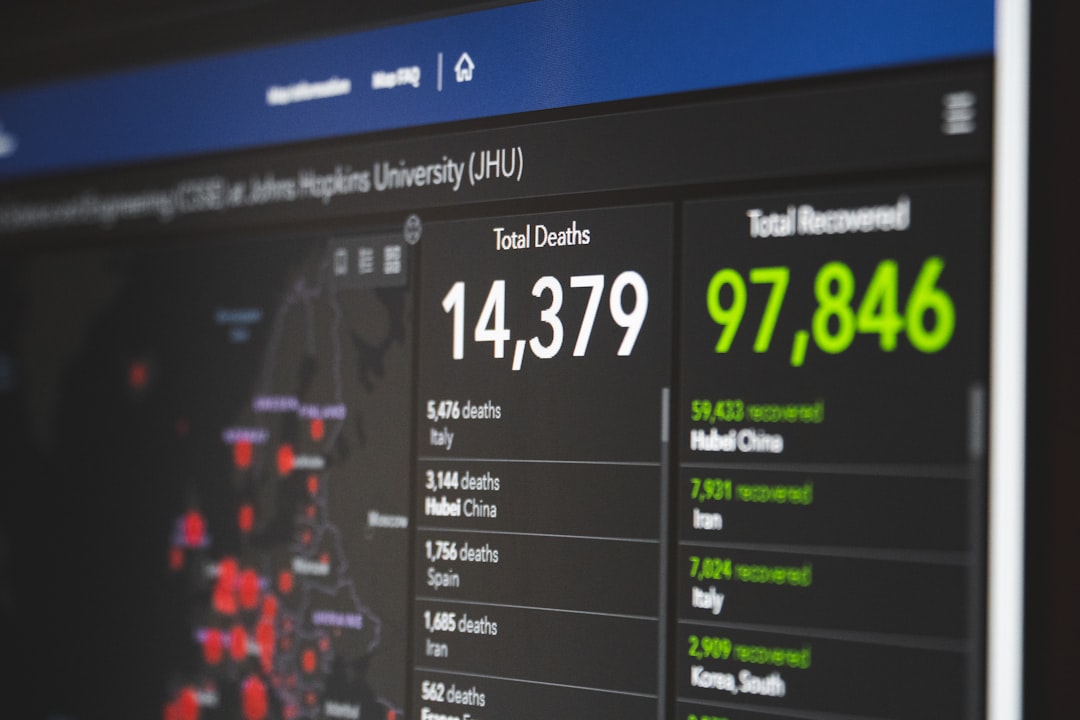

Great care does not happen by magic. It happens when the right people are in the right place at the right time. In aged care, this is a big deal. Residents need safe, kind, and steady support every day. Workforce analytics helps aged care teams see what is really happening with staff, time, tasks, and care.
TLDR: Workforce analytics helps aged care organizations plan staff better, reduce stress, and improve resident care. It uses data to show patterns in rosters, workloads, skills, leave, and care needs. This helps leaders make smarter choices, faster. The result is happier staff, safer care, and better days for residents.
What Is Workforce Analytics?
Let’s keep it simple.
Workforce analytics means using staff data to make better decisions. It looks at things like who is working, when they are working, what skills they have, how busy they are, and where help is needed.
It is not about spying on people. That sounds creepy. Nobody wants that.
It is about spotting patterns. It is about asking useful questions.
- Do we have enough carers on the morning shift?
- Are nurses spending too much time on paperwork?
- Which teams are under pressure?
- Where do residents need more support?
- Are staff leaving because rosters are too hard?
When leaders can answer these questions, they can act early. They do not need to guess. They can see the picture more clearly.
Think of workforce analytics like a weather app for staffing. It helps aged care managers see the storm before everyone gets soaked.

Why It Matters in Aged Care
Aged care is special. It is people caring for people. It is personal. It is emotional. It is busy.
Residents may need help with meals, medicine, mobility, bathing, social time, wound care, dementia support, and much more. Needs can change fast. One resident may need extra help today. Another may be recovering from a fall. Another may feel lonely and need more time with staff.
At the same time, staff can be stretched. They may work long shifts. They may cover sick leave. They may juggle heavy workloads. If staffing is not planned well, everyone feels it.
Residents may wait longer. Staff may feel tired. Families may worry. Managers may spend all day fixing roster problems.
This is where analytics becomes useful. It brings calm to the chaos. It helps leaders move from “I think we need more help” to “Here is where we need help, and why.”
Better Rosters Mean Better Care
Rosters can make or break a care home.
A good roster feels smooth. The right staff are there. Breaks happen on time. Residents get help quickly. The team works well together.
A poor roster feels like a circus with missing tent poles. Everyone runs around. Nobody has enough time. Stress goes up.
Workforce analytics helps build better rosters by looking at real demand. It can show busy times of day. It can show which shifts often run short. It can show when extra clinical skills are needed.
For example, mornings may need more carers because many residents need help getting out of bed, showering, dressing, and eating breakfast. Evenings may need different support because residents may feel tired or confused. Nights may need careful planning for falls risk and urgent care.
With analytics, leaders can match staffing to care needs. Not just to old habits. Not just to fixed numbers. To real life.
That means residents get help sooner. Staff feel less rushed. The day runs better.
Skill Mix Becomes Smarter
It is not only about how many staff are on duty. It is also about the right mix of skills.
An aged care team may include:
- Registered nurses
- Enrolled nurses
- Personal care workers
- Allied health staff
- Lifestyle coordinators
- Hospitality and cleaning teams
- Administration staff
Each person plays a key role. Like a band. You need drums, bass, guitar, and vocals. If everyone brings a triangle, the concert may be cute, but it will not work.
Workforce analytics shows whether the team has the right skill mix for each shift. It can help managers plan for complex care needs, dementia care, medication rounds, wound care, or palliative support.
This matters because residents are not all the same. Their care needs differ. Their preferences differ too.
When skills match resident needs, care becomes safer. Staff also feel more confident. They know they are not being asked to handle things without the right support.
Less Burnout, More Smiles
Burnout is a serious issue in aged care. It is not just “feeling tired.” It can affect health, mood, focus, and care quality. It can also lead good people to leave.
Analytics can help spot burnout risks before they explode like popcorn in a microwave.
It can look at things like:
- Too many overtime hours
- Too many double shifts
- Missed breaks
- High sick leave
- Frequent last minute roster changes
- Workloads that are not shared fairly
These are warning signs. When leaders see them early, they can step in. They can adjust rosters. They can add support. They can talk with staff. They can prevent small problems from becoming giant flaming pumpkins.
Happy staff matter. Staff who feel supported have more energy. They can give more attention to residents. They can build stronger relationships. They are more likely to stay.
Good care starts with caring for the carers.
Faster Response to Changing Resident Needs
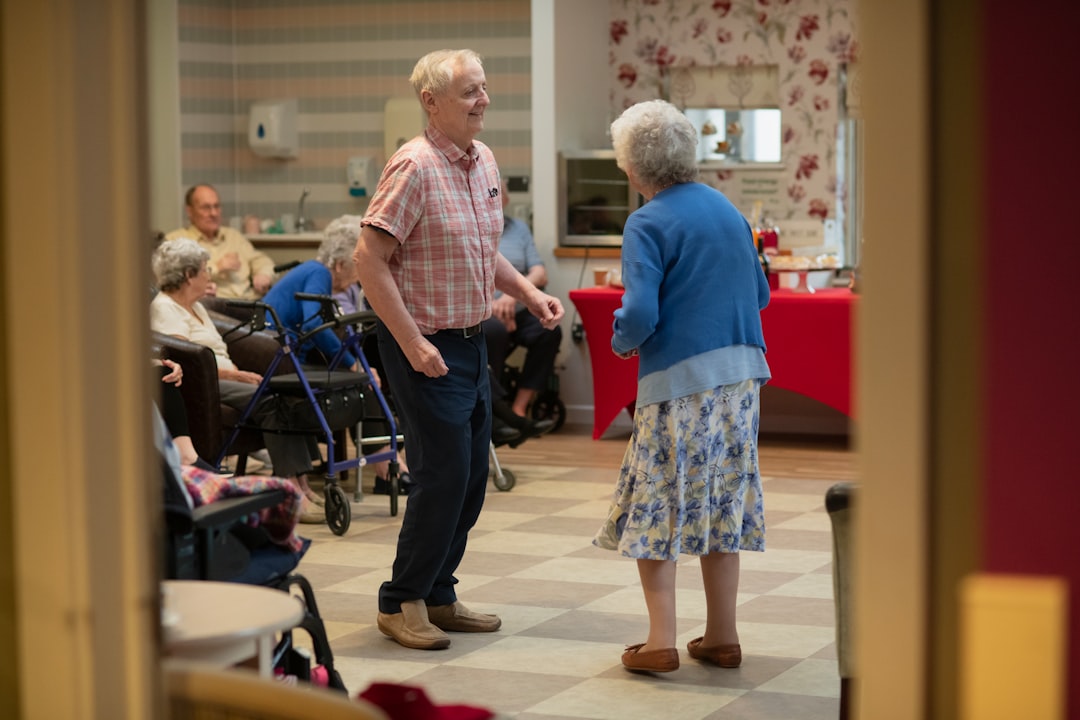
Aged care is never still. Needs change daily.
A resident may return from hospital and need extra support. A flu outbreak may increase workload. A new admission may have complex care needs. A resident with dementia may need more one to one attention in the afternoon.
Without good data, teams may only react after things get difficult. With workforce analytics, they can see changes earlier.
For example, analytics may show that call bell use rises at certain times. It may show more falls are happening during a shift handover period. It may show that certain units need more staff during mealtimes.
This does not mean data replaces human judgment. Not at all. Staff know residents best. Analytics simply gives them another flashlight.
It helps teams ask, “What is happening here?” Then they can make care safer and smoother.
Less Admin Drama
Every aged care manager knows the roster scramble.
Someone calls in sick. A shift opens. A rule changes. A staff member cannot work late. Suddenly, the day becomes a puzzle with missing pieces.
Workforce analytics tools can reduce this stress. They can show who is available, who has the right skills, who needs hours, and who may be close to overtime limits. This makes rostering faster and fairer.
It also helps with compliance. Aged care organizations must meet rules about staffing, qualifications, care time, training, and safety. Manual tracking can be slow and risky. Spreadsheets are useful, but they can also become tiny haunted houses.
Analytics gives managers clearer reports. It helps them prepare for audits. It supports better decisions. It reduces the time spent hunting for information.
Less admin drama means more time for leadership. More time for coaching. More time for resident experience.
Training That Actually Fits
Training is important. But training should not be random.
Workforce analytics can show where skills gaps exist. It may show that more staff need dementia care training. Or manual handling refreshers. Or medication support. Or wound care education.
It can also show which training improves results. For example, after falls prevention training, did falls reduce? After dementia communication training, did incidents reduce? After leadership training, did staff turnover improve?
This is powerful. It means training becomes targeted. It becomes useful. It becomes less like throwing spaghetti at a wall and hoping some sticks.
Smart training helps staff grow. It also helps residents receive better care.
Improved Resident Experience
Residents may not care about dashboards. Fair enough. A dashboard is not as exciting as a good cup of tea and a biscuit.
But residents do feel the results.
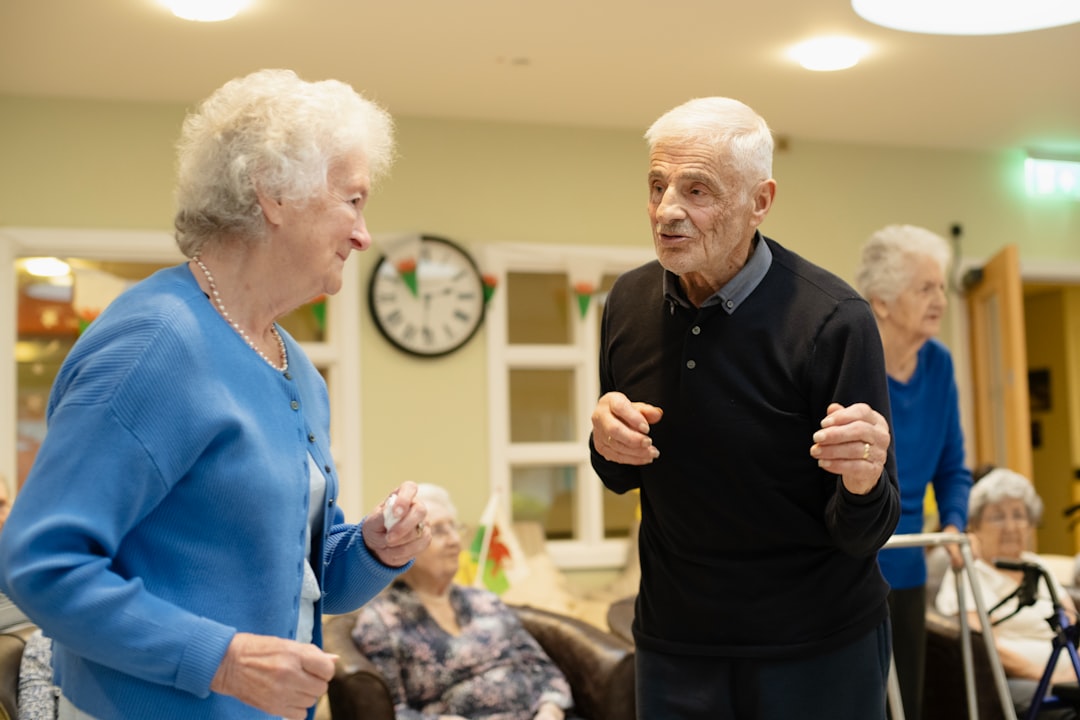
They notice when staff are calm. They notice when help arrives quickly. They notice when familiar carers are on shift. They notice when staff have time to chat, not just rush past.
Workforce analytics can support continuity of care. This means residents see more familiar faces. That can be very important, especially for people living with dementia or anxiety.
When residents know their carers, trust grows. Staff also understand personal preferences better.
- Who likes tea before breakfast?
- Who prefers a quiet morning?
- Who loves music during activities?
- Who needs extra time to feel safe?
These little details are not little to residents. They are life. They are comfort. They are dignity.
Better Decisions for Leaders
Leaders in aged care make many decisions. Some are small. Some are huge. All of them can affect people.
Workforce analytics helps leaders move past guesswork. It gives clear information about staffing costs, overtime, absence, turnover, agency use, and skill coverage.
This helps with planning. Leaders can see if they need to hire more staff. They can see which roles are hardest to fill. They can see if agency costs are rising. They can test different roster models.
It also helps leaders have better conversations with boards, regulators, families, and staff. Instead of saying, “We are very busy,” they can show data. They can explain what is needed and why.
That builds trust. It also helps secure resources for better care.
It Makes Fairness Easier
Fairness matters at work. Staff want to know shifts are shared properly. They want fair access to weekends off. They want overtime handled clearly. They want workload to feel balanced.
Analytics can help managers see if some staff are always getting the toughest shifts. It can show if some teams are carrying more pressure than others. It can reveal patterns that may not be obvious day to day.
This does not replace kindness or common sense. It supports them.
A fairer workplace builds trust. Trust helps teams work better together. Better teamwork improves care.
Privacy Still Matters
Now, a quick serious bit.
Workforce analytics must be used with care. Staff data is sensitive. Resident data is even more sensitive. Organizations need clear rules about privacy, consent, access, and security.
Data should be used to support people. Not punish them. Not shame them. Not turn work into a scoreboard of doom.
The best approach is open and honest. Tell staff what data is used. Explain why. Show how it helps. Invite feedback.
When people trust the process, analytics works better.
How to Start Without Getting Lost
An aged care organization does not need to do everything at once. Start small. Start with one problem.
Good starting points include:
- Roster gaps: Find where shifts are often short.
- Overtime: Track who is working extra hours and why.
- Sick leave: Look for pressure points and patterns.
- Skill mix: Match staff skills to resident needs.
- Turnover: Learn why people leave and when.
Pick one area. Measure it. Talk to staff. Make a change. Review the result. Then improve again.
This is not rocket science. It is more like gardening. Plant, water, watch, adjust, repeat.
The Human Side of Data
Data can sound cold. Numbers. Charts. Reports. Yawn.
But in aged care, good data has a warm purpose. It helps make sure Mrs. Patel gets help to breakfast on time. It helps Mr. Jones see a familiar carer in the evening. It helps a tired nurse get a proper break. It helps a manager stop guessing and start fixing.
That is the real magic.
Workforce analytics improves care delivery because it helps people care better. It gives teams the right information at the right time. It supports safer staffing, smarter training, fairer rosters, and happier workplaces.
Most of all, it helps aged care organizations focus on what matters most. People.
And in aged care, people are the whole point.

Comments are closed, but trackbacks and pingbacks are open.