

Search engine optimization has become inseparable from digital marketing, content publishing, and online growth. Whether you are a freelancer, a small business owner, or part of a larger marketing team, chances are you have used at least one free or low-cost SEO tool to check backlinks, analyze keywords, audit web pages, or generate content ideas. Small SEO tools promise convenience, speed, and affordability. But an important question often goes unasked: Can you actually trust them?
TLDR: Small SEO tools can be useful and cost-effective, but they may collect, store, or misuse your data in ways that are not always transparent. The risks range from exposing sensitive URLs and strategies to inaccurate data that misguides business decisions. Before using them, review their privacy policies, terms of service, and reputation carefully. When in doubt, consider reputable alternatives or self-hosted solutions to protect your data and long-term strategy.
Why Small SEO Tools Are So Popular
The appeal of small SEO tools is obvious. They are often:
- Free or very inexpensive
- Quick and easy to use
- Accessible without long contracts
- Focused on specific, practical tasks
For startups and solo entrepreneurs working within tight budgets, these tools can seem like a smart solution. Instead of paying hundreds of dollars per month for enterprise-level platforms, users can access keyword generators, plagiarism checkers, backlink analyzers, and rank trackers at little to no cost.
However, the low price raises a legitimate concern: How do these tools sustain themselves? If you are not paying for the product, you may, in fact, be part of the product.
Understanding the Data You Are Sharing
When you use a small SEO tool, you are often submitting valuable and sometimes sensitive information, such as:
- Your website URL
- Client URLs
- Keyword strategies
- Unpublished article drafts
- Backlink targets
- Competitor research data
In isolation, this information may not seem critical. But combined, it can reveal your entire digital strategy. For agencies and consultants, this is especially concerning. Uploading client data into an unvetted third-party tool could expose proprietary plans, campaign structures, and competitive research.

Key Data Privacy Risks
1. Data Logging and Resale
Some small SEO tools log user queries and use that data internally for analytics, improvement, or even resale. In extreme cases, your keyword research or backlink exploration could indirectly benefit competitors if insights are aggregated and redistributed.
2. Weak Security Infrastructure
Large, established SEO platforms typically invest in secure servers, encryption, and compliance standards. Smaller operators may lack the resources to maintain robust cybersecurity protocols. This increases the risk of:
- Data breaches
- Unauthorized access
- Server vulnerabilities
- Poorly encrypted transmissions
3. Lack of Transparent Privacy Policies
Many small tools provide vague or incomplete privacy documentation. If policies do not clearly outline how data is stored, processed, and deleted, that is a warning sign. Transparency is not optional when it comes to sensitive business intelligence.
4. Jurisdictional Uncertainty
You may not know where the company is registered or which data protection laws apply. This makes legal recourse complicated if your data is misused. International data transfers without compliance to regulations like GDPR can introduce significant liability risks.
Accuracy and Reliability Concerns
Beyond privacy, trust also hinges on accuracy. SEO decisions are strategic. Incorrect data can result in:
- Targeting low-value keywords
- Misjudging backlink authority
- Overestimating domain strength
- Making flawed content investments
Smaller tools often rely on limited datasets or scraped information that may not be updated regularly. In contrast, major platforms invest heavily in maintaining extensive databases and continuous algorithm improvements.
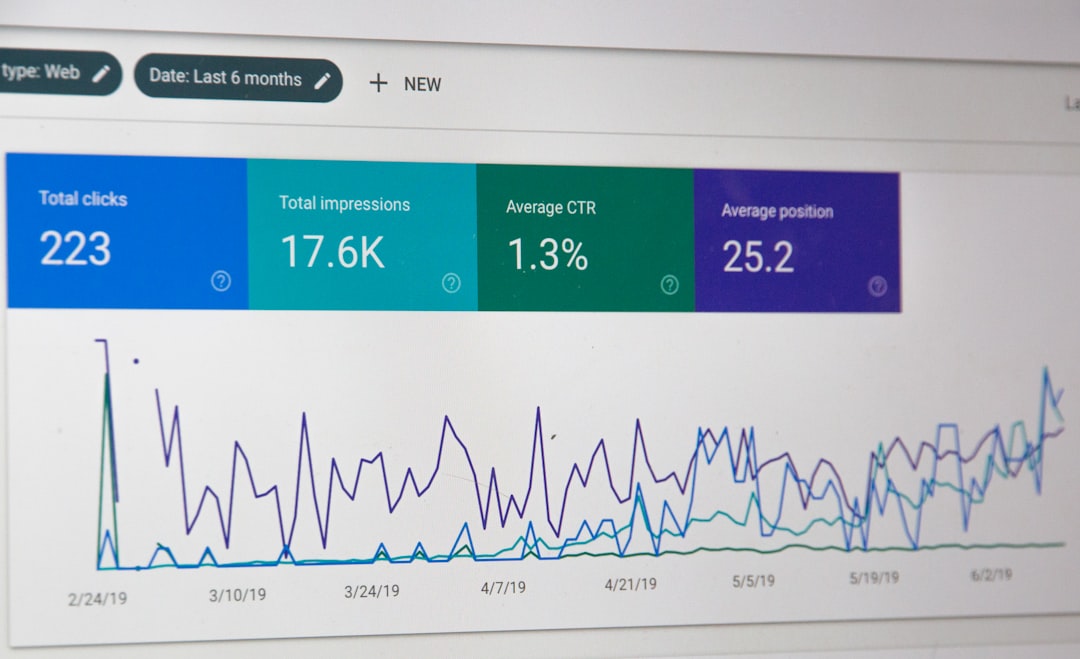
If a tool does not disclose how frequently it updates its data or where its data sources originate, you should approach its results with caution. Low-cost tools may serve as directional guides but should not be used as the sole basis for high-stakes business decisions.
Warning Signs That a Tool May Not Be Trustworthy
Not all small SEO tools are risky. Many are legitimate and responsibly managed. However, certain red flags demand attention:
- No clear company information or contact details
- Missing or copied privacy policies
- No HTTPS encryption on submission pages
- Excessive permissions requested for simple tasks
- Overpromising guaranteed SEO results
Trustworthy platforms are transparent about their business model, leadership, and compliance standards. If you cannot identify who operates the tool, you cannot evaluate their credibility.
The Hidden Cost of “Free”
Operating an SEO analysis platform requires infrastructure, development, maintenance, and bandwidth. If a tool is entirely free, it must monetize in other ways. Common monetization models include:
- Advertising
- Affiliate placements
- Lead generation
- Data aggregation
- Upselling to premium versions
Advertising and upselling are relatively benign. Data aggregation, however, raises ethical concerns. Even anonymized datasets can reveal patterns when analyzed at scale.
This does not mean all free tools exploit user data. But it underscores the importance of skepticism and due diligence.
How to Protect Yourself When Using Small SEO Tools
If you decide to use smaller platforms, certain precautions can significantly reduce risk:
- Use secondary or non-critical URLs for testing purposes
- Avoid uploading confidential drafts of high-value content
- Review privacy policies carefully
- Check independent reviews and community discussions
- Use secure networks and strong authentication practices
For agencies, it is advisable to include tool usage policies within internal compliance documentation. Being proactive about digital hygiene protects both your business and your clients.
Safer Alternatives to Consider
If privacy, reliability, or accuracy is critical to your operations, consider these alternatives:
1. Established SEO Platforms
Well-known providers invest heavily in security, compliance, and infrastructure. While more expensive, they offer:
- Robust data encryption
- Transparent policies
- Reliable datasets
- Customer support accountability
2. Self-Hosted SEO Solutions
Open-source or self-hosted tools give you greater control over data. Although setup may require technical expertise, the benefit is full ownership of stored information.
3. API Access from Trusted Providers
Instead of relying on unknown interfaces, developers can use APIs from reputable data providers and integrate them directly into internal dashboards.

4. In-House Data Collection
For certain metrics, such as performance tracking and user analytics, first-party tools like web analytics platforms or search engine consoles can provide reliable insights without exposing strategies to unknown third parties.
Balancing Risk and Convenience
Not every small SEO tool poses a serious threat. In fact, many fill valuable gaps left by major platforms. Quick grammar checkers, snippet preview tools, or basic on-page analyzers may present minimal risk when used responsibly.
The decision ultimately depends on:
- The sensitivity of the data involved
- The scale of your business
- Your regulatory obligations
- Your tolerance for strategic exposure
A blogger experimenting with keyword ideas faces far less risk than an agency managing confidential enterprise campaigns. Context matters.
Final Assessment
Trust in digital tools should never be automatic. It should be earned through transparency, security practices, regulatory compliance, and proven reliability. Small SEO tools can absolutely be helpful, especially for startups and independent professionals. However, their convenience should not overshadow potential privacy risks and data vulnerabilities.
Before uploading strategic information into any platform, ask yourself:
- Do I know who operates this tool?
- Is the privacy policy clear and specific?
- Would I be comfortable if this data became public?
If the answer to the last question makes you uncomfortable, reconsider your approach.
In an industry driven by competitive advantage and proprietary insight, protecting your data is not optional. It is a fundamental responsibility. By combining critical thinking with careful tool selection, you can benefit from SEO innovations without compromising your long-term security or credibility.

Comments are closed.