

Cruise control is a beloved feature in modern vehicles, allowing drivers to maintain a steady speed without constantly pressing the accelerator. But when cruise control stops working, it can be both inconvenient and frustrating. Fortunately, understanding the common causes behind the malfunction can help drivers resolve the issue quickly and get back to enjoying smooth, comfortable road trips.
TL;DR
Cruise control may stop functioning due to problems like a faulty brake switch, blown fuses, bad speed sensors, malfunctioning control switches, or damaged wiring. Diagnosing the cause typically involves checking the electrical system, fuses, and throttle components. Many issues can be repaired at home, but some may require a professional mechanic’s help. Regular maintenance and periodic inspection of electronic systems can prevent cruise control failures.
Common Causes of Cruise Control Malfunctions
There are several reasons why cruise control might not work properly. Below are the most frequent causes, along with explanations for each.
1. Faulty Brake Pedal Switch
Your vehicle’s cruise control system uses the brake pedal switch as a signal to disengage the system when braking. If this switch is faulty or not aligned correctly, it may continuously send the signal that the brake is pressed—even when it isn’t. As a safety feature, this disables the cruise control.
Signs:
- Brake lights stay on continuously
- Cruise control won’t activate at all
- Error codes on a diagnostic scanner
2. Blown Fuse
Like other electronic systems in a vehicle, cruise control has its own fuse. A blown fuse will cut off power, making it impossible for the system to function.
What to do: Locate the fuse box (usually under the dashboard or hood), find the cruise control fuse, and inspect it. Replace it with a fuse of the same amperage if it’s blown.
3. Malfunctioning Speed Sensor
Speed sensors monitor your vehicle’s speed and relay the data to several systems, including cruise control. A defective speed sensor will send incorrect or no data, disrupting the cruise system’s ability to maintain speed.
Symptoms:
- Erratic or non-working speedometer
- Transmission shifting issues
- Cruise control shuts off or won’t engage
4. Defective Cruise Control Switch
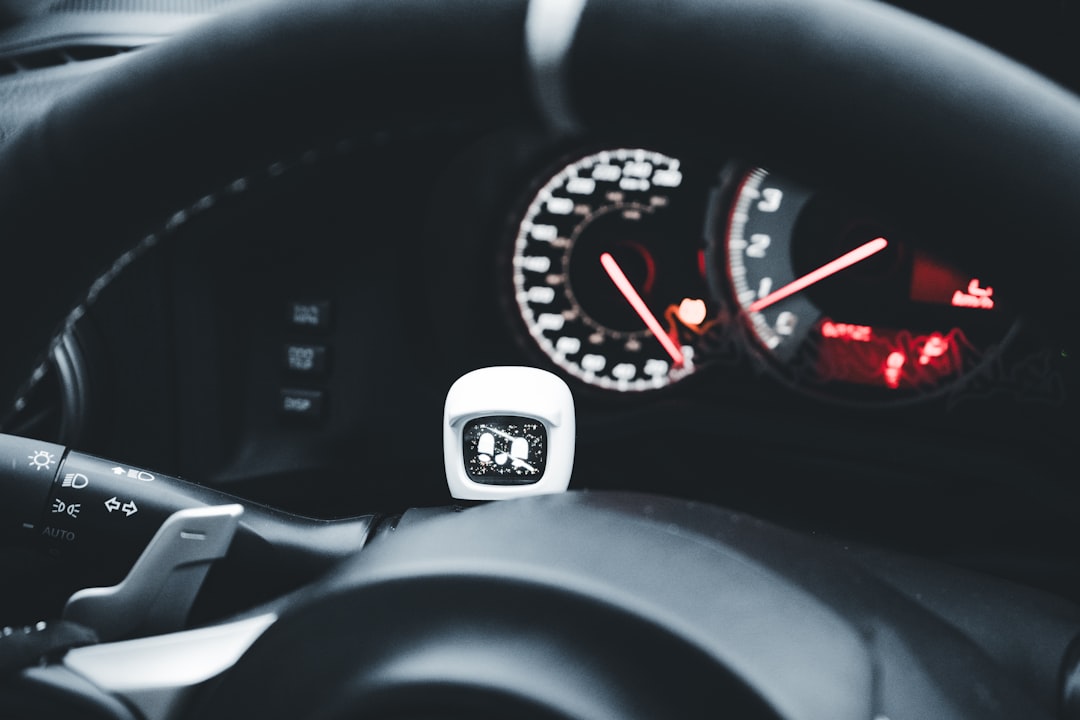
The control switch, usually located on the steering wheel or column, allows drivers to turn cruise control on/off, set speed, and make adjustments. If this switch fails, none of those functions will work correctly. Internal wear or damaged wiring can be the culprit.
Fix: Inspect the switch and its connectors. If there’s damage or corrosion, replacement is necessary.
5. Throttle Body Issues (For Older Cable-Driven Systems)
In vehicles with non-electronic throttle control systems, cruise control relies on motors and cables connected to the throttle body. If these components are frayed, disconnected, or jammed, the cruise control won’t function properly.
Look out for:
- Sticking throttle pedal
- No response when trying to engage cruise control
6. Problems With the Vehicle’s ECM or PCM
The Engine Control Module (ECM) or Powertrain Control Module (PCM) is responsible for regulating many drivetrain components, including the cruise control system. A failure or bug in this computer system can disrupt the cruise feature.
Troubleshooting tip: Use a code reader or take your car into a licensed garage to scan the ECM for any fault codes related to cruise control.
7. Brake or Clutch Pedal Not Returning Fully
If your brake or (in manual vehicles) clutch pedal doesn’t return entirely to its original position, the sensors may think it’s still engaged. This prevents cruise control from activating as a safety measure.
How to Fix Cruise Control Issues
Once the issue has been identified, applying the right fix can restore the cruise functionality. Here’s how drivers can troubleshoot and fix the problem based on the cause:
1. Adjust or Replace the Brake Switch
If the brake switch is faulty or incorrectly aligned, it can often be removed and replaced with basic tools. Ensure it’s not sticking or permanently engaged. Replacement parts are typically affordable and available at most auto parts stores.
2. Check and Replace Fuses
Regularly inspect the cruise control fuse especially if other systems like the horn, gauges, or dashboard indicators are acting up too. Use the vehicle’s manual to pinpoint the correct fuse and replace it if it shows signs of burning or melting.
3. Clean or Replace the Speed Sensor
A dirty or defective speed sensor may need cleaning or replacement. In most cars, these sensors are located near the transmission housing and are relatively easy to remove with basic tools. Use sensor-safe cleaner, and carefully reinstall.
4. Scan for ECM Faults
Plugging in an OBD-II scanner can reveal fault codes that help zero in on issues, especially those not visible through manual inspection. Once the problem is narrowed down, the code can be cleared after the component is fixed.
5. Inspect Electrical Wiring and Connectors
Loose, corroded, or damaged connectors can disrupt signals to the cruise control module. Take time to visually inspect the wires behind the control switch, sensors, and fuses. Replace or repair any visibly damaged wires.
6. Consider Professional Help
If cruise control problems persist despite DIY troubleshooting, it may be time to see a mechanic. Modern vehicles have complex integrated systems, and specialized diagnostic tools can identify issues that are not immediately apparent.
Preventive Measures to Keep Cruise Control Functional
- Regularly inspect and maintain the brake and clutch pedal return mechanisms
- Check fuses and wiring during routine maintenance
- Keep the throttle body and sensors clean, especially on older vehicles
- Drive regularly to detect malfunctions early
Frequently Asked Questions (FAQ)
Q: Can I still drive if the cruise control isn’t working?
A: Yes, it is safe to drive your vehicle manually if cruise control is not working. However, you won’t be able to benefit from the convenience and fuel efficiency it provides on long trips.
Q: How much does it cost to repair cruise control?
A: It depends on the cause. Simple fixes like replacing a fuse or brake switch can cost under $50. More complex issues that require ECM programming or sensor replacement may cost anywhere from $150 to $600.
Q: Will the check engine light come on if cruise control is faulty?
A: Sometimes. If the issue involves the powertrain or engine control systems, the check engine light might illuminate. However, not all cruise control failures trigger dashboard warnings.
Q: Can a dead battery affect cruise control?
A: Yes, a weak or dead battery can interfere with electronic systems, including cruise control. Low voltage can cause faults or disrupt communications between modules.
Q: Is cruise control repairable at home?
A: Many basic issues like fuse replacement or inspecting wiring can be done at home with simple tools. More complex jobs, especially those involving internal ECU faults or deep diagnostics, may require a mechanic.
Understanding the reasons behind cruise control malfunction can save time and money, and in many cases, prevent the issue from recurring. Whether through simple maintenance or professional repair, restoring this convenient feature ensures better driving comfort and efficiency.

Comments are closed.