
Small design teams used to feel like underdogs. Fewer hands. Smaller budgets. Tighter deadlines. Yet many of them are now outrunning larger departments. How? They stopped trying to do everything. Instead, they chose niche tools that solved very specific problems. The result? A 35% boost in design efficiency.
TLDR: Small teams improved design efficiency by 35% by switching from bulky, all-in-one platforms to lightweight, niche tools. These tools reduced busywork, improved collaboration, and automated repetitive tasks. Teams spent less time switching apps and more time creating. Smarter tools meant faster workflows and happier designers.
Let’s break this down in a simple way.
The Old Way: Big Tools, Big Friction
Many teams relied on giant platforms. You know the ones. They promise to do everything: mockups, file storage, reviews, presentations, exports, and more.
But here is what often happened:
- Too many features.
- Too many clicks.
- Too much training required.
- Slow performance.
- Constant context switching.
Small teams felt the pain more. They did not have time to “figure out” complex software. They needed speed. They needed clarity. They needed tools that did one thing extremely well.
The Shift: Stacking Smart, Specialized Tools
Instead of relying on one giant platform, these teams built a lean tool stack. Each tool had a clear job.
For example:
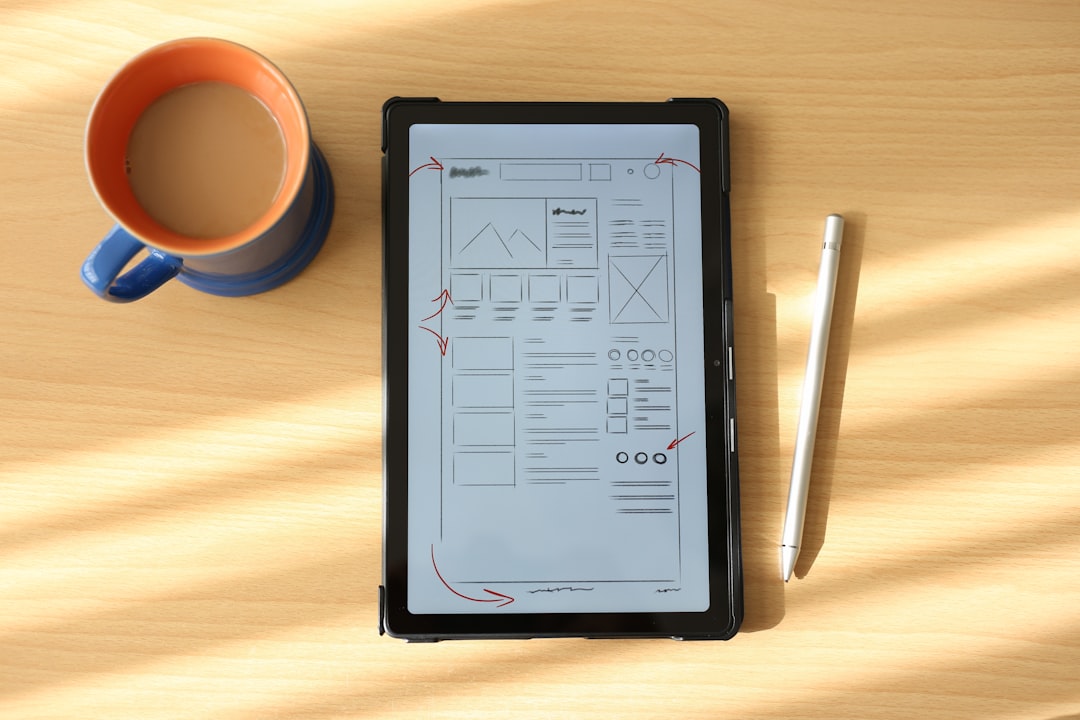
- A lightweight wireframing app.
- A separate fast feedback tool.
- A dedicated asset organizer.
- A simple automation tool for exports.
- A clean project tracker built just for creatives.
Each tool solved a pain point. None overlapped too much. Together, they created a smooth pipeline.
Where the 35% Gain Came From
The improvement did not come from working longer hours. It came from cutting waste.
Here’s exactly what changed.
1. Less Time Switching Contexts
Designers used to jump between tabs constantly. Every switch breaks focus. Even a few seconds add up.
Niche tools were often faster to load and simpler to operate. Many integrated directly with each other. This reduced:
- Tab overload.
- Searching for files.
- Repeated logins.
- Manual exporting.
Over a week, this saved hours. Over a month, it became huge.
2. Automation of Repetitive Tasks
Small teams automated the boring stuff.
Things like:
- Renaming files.
- Resizing images.
- Exporting multiple formats.
- Sending designs for review.
- Logging completed tasks.
They used tiny automation tools built specifically for these jobs. Not complex developer systems. Just simple trigger-and-action setups.
Designers stopped wasting creative energy on admin work.
3. Faster Feedback Loops
Feedback used to live in email threads. Or messy chat conversations. Comments got lost. Versions got mixed.
Niche review tools changed that.
- Comments were pinned directly on designs.
- Stakeholders clicked instead of typing long explanations.
- Version history was automatic.
- Approvals were tracked.
This alone shaved days off project timelines.
Why Small Teams Benefited the Most
You may wonder: why not large teams?
Large teams often have rigid procurement systems. They already invested heavily in enterprise software. Switching is slow.
Small teams move faster.
They can:
- Test a tool this week.
- Adopt it next week.
- Drop it if it fails.
No layers of approval. No complex rollouts.
This flexibility became a competitive advantage.
The Psychology of Simpler Tools
There is also a mental factor.
When a tool feels simple:
- People use it more.
- They explore features faster.
- They make fewer mistakes.
- They feel less overwhelmed.
Morale improves. And morale affects productivity more than most managers realize.
Designers reported feeling “lighter.”
Less friction. More flow.
Real Workflow Example
Let’s imagine a small team of five designers.
Before:
- One large design suite for everything.
- Email for feedback.
- Manual export and upload to cloud storage.
- Separate chat discussions for revisions.
- Manual task updates.
Projects averaged 4 weeks.
After switching to niche tools:
- Lightweight UI design app.
- Built-for-design feedback platform.
- Auto-export plugin.
- Cloud storage with auto-sync.
- Kanban board designed for creatives.
Now projects averaged 2.5 to 3 weeks.
That’s close to a 35% efficiency gain.
Choosing the Right Niche Tools
Not every small tool is good. Some create more clutter.
Successful teams looked for tools that had:
- Clarity: Clear purpose. No unnecessary features.
- Speed: Fast loading and fast export.
- Integration: Easy connection with other tools.
- Low learning curve: Usable in one day.
- Transparent pricing: No hidden enterprise traps.
They tested tools for two weeks before committing.
They asked one simple question: Does this reduce friction?
Common Mistakes to Avoid
Some teams misunderstood the idea. They added too many niche tools.
That created chaos.
Here is what to avoid:
- Adding tools without removing old ones.
- Using overlapping tools that duplicate work.
- Ignoring integrations.
- Skipping onboarding.
Niche does not mean random. It means intentional.
The Role of Templates and Micro-Assets
Another powerful trick was using specialized template libraries.
Instead of recreating components repeatedly, teams built small internal systems:
- Pre-made UI blocks.
- Brand-approved color tokens.
- Typography presets.
- Reusable animation snippets.
Some niche tools focused only on managing these assets.
This reduced rework dramatically.
Communication Became Cleaner
Big software often tries to handle chat, comments, documentation, and task tracking all at once.
Small teams separated communication by purpose.
- Quick chat for rapid discussions.
- Structured feedback tool for design review.
- Task board for status updates.
This reduced noise.
Less noise meant fewer misunderstandings.
Fewer misunderstandings meant fewer revisions.
Data Backed Decisions
Some niche tools included lightweight analytics.
Teams tracked:
- Time spent per task.
- Revision rounds.
- Approval time.
- Delivery delays.
They identified bottlenecks quickly.
Instead of guessing, they adjusted based on real numbers.
The Cultural Impact
Something unexpected happened.
Ownership increased.
When teams chose their own tools, they felt responsible for outcomes. They were not blaming “the system” anymore.
They optimized continuously.
Small tweaks led to big long-term gains.
Why Bigger Isn’t Always Better
Large, all-in-one software platforms are not bad. They work well for complex organizations.
But small design teams need:
- Agility.
- Speed.
- Focus.
- Clarity.
Niche tools delivered that.
And when you remove friction from creative work, something magical happens.
Creative energy flows where it should. Into ideas. Into innovation. Into beautiful design.
Final Thoughts
A 35% efficiency boost did not come from redesigning the entire company. It came from smart, targeted changes.
Small teams asked:
What slows us down every day?
Then they found tools built precisely to fix those slow points.
No drama. No massive transformation project. Just better tools.
If you run a small team, try auditing your workflow this week. List the repetitive tasks. List the friction points. Then test one niche solution.
Small change. Big effect.
Because sometimes, the fastest way to move forward is not to add more power.
It’s to remove what is slowing you down.

Comments are closed.