

Social media and content marketing have become critical avenues for brand awareness, customer engagement, and lead generation. But managing multiple platforms, constantly ideating content, and ensuring timely publishing can be overwhelming. Fortunately, AI tools have emerged as powerful allies in transforming how businesses approach their content and social workflows.
TLDR:
AI tools can drastically streamline your social media and content operations by automating repetitive tasks such as post scheduling, content generation, image creation, and performance tracking. From AI-driven copywriting to smart scheduling platforms, these tools improve efficiency and allow teams to focus on strategy and creativity. This guide walks you through the best ways to integrate AI into your daily operations for better speed, effectiveness, and impact.
Why Automate Social Media and Content Workflows?
Before diving into implementation, it’s essential to understand why automation with AI matters:
- Time-saving: AI can reduce time spent on mundane tasks, freeing up bandwidth for strategic planning.
- Consistency: Automated tools ensure that your content is posted regularly across platforms.
- Data-driven insights: AI monitors performance and provides recommendations based on real data, not guesses.
- Scalability: With AI, a single person or a small team can manage multiple accounts without being overwhelmed.
Steps to Implement AI Tools in Your Workflow
1. Evaluate Your Workflow Pain Points
Begin by identifying which parts of your current process consume the most time or cause bottlenecks. Common areas include:
- Brainstorming and creating content ideas
- Designing visual content
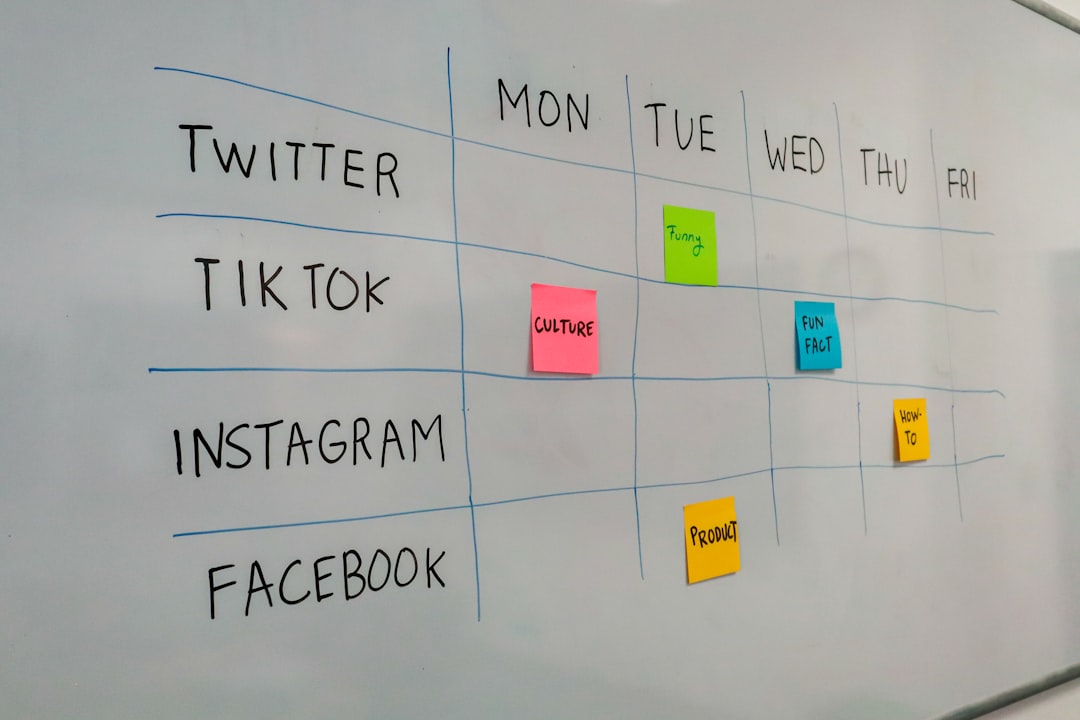
- Scheduling posts on multiple platforms
- Engaging with audiences via replies and DMs
- Measuring performance and reporting
By pinpointing these challenges, you’ll get a clearer sense of where AI can be most effective.
2. Choose the Right AI Tools
Not all AI tools are created equal. Some are specialized in natural language generation, while others focus on visual automation or analytics. Consider these categories:
- Content Generation: Use tools like Jasper, Copy.ai, or ChatGPT to write captions, blog posts, or ads.
- Visual Content Creation: Platforms such as Canva now integrate AI to generate graphics, infographics, and even video content.
- Scheduling & Publishing: Tools like Buffer, Hootsuite, and SocialBee use AI to determine the best posting times and automate publishing.
- Analytics & Insights: Use tools like LatelyAI and Brandwatch to monitor sentiment, engagement trends, and performance patterns.
3. Integrate AI with Existing Platforms
Many AI tools are designed to integrate easily with the platforms you’re already using. For instance:
- Connect AI copywriting tools to your CMS or blog platform.
- Sync your social scheduling tools with Facebook, Instagram, LinkedIn, and more.
- Use integrations like Zapier to link AI tools with email marketing services or CRM systems.
Integrations ensure AI works seamlessly in your existing workflow rather than disrupting it.
4. Optimize Content Creation with AI
Creating content is one of the most time-consuming aspects of digital marketing. AI can help in several ways:
- Blog Writing: Tools like Writesonic can generate long-form blog articles, saving hours of research and drafting.
- Ideation: Instead of guessing what content your audience wants, use AI to analyze trends and suggest topics.
- Repurposing: Turn one blog post into multiple formats—tweets, LinkedIn posts, or Instagram captions—with AI-powered transformation tools.
The result? You maintain a consistent and high-quality content flow without burning out your team.
5. Automate Engagement and Customer Interaction
AI can take over some aspects of social media engagement, ensuring no message or comment goes unnoticed:
- Chatbots: Use AI bots on Facebook Messenger or your website to answer FAQs or direct users to the right resources.
- Auto Replies: Some tools can generate intelligent replies to DMs and comments, maintaining brand voice and tone.
- Sentiment Analysis: Monitor brand perception and adjust strategy based on real-time audience feedback.
While human touch is still important for deeper connections, AI helps you scale your responsiveness.
6. AI-Driven Image and Video Creation
Visual content is as important as text in today’s fast-paced digital environment. Here’s how AI can help:
- Image Generation: AI tools like DALL•E or Canva’s Magic Media can generate visuals from textual prompts.
- Video Editing: Platforms like Lumen5 or Pictory automate video creation by transforming blog posts into short videos.

This democratizes visual storytelling, making it accessible even for teams without in-house designers or videographers.
7. Leverage AI for Performance Tracking
Once your content is live, AI plays a key role in analyzing the effectiveness of your campaigns:
- Real-time Data: AI tools provide dashboards that track impressions, likes, shares, and more in real time.
- Smart Recommendations: Based on what’s working, AI recommends best times to post and what types of content to replicate.
- A/B Testing: Some tools use machine learning to continuously test different variations of content and automatically choose the top performer.
This ensures that optimization is ongoing rather than a one-time task.
Best Practices for Smooth AI Integration
To fully benefit from AI automation, keep the following tips in mind:
- Start Small: Test one or two tools at a time to prevent overwhelm.
- Train Your Team: Ensure everyone understands how the AI functions and how it supports their work.
- Balance Automation with Authenticity: Let AI handle the repetitive tasks, but keep creative and strategic decisions human-led.
- Monitor for Errors: AI isn’t perfect. Always review AI-generated content before publishing.
Examples of Successful AI Implementation
Many brands are already seeing big results by integrating AI into their content marketing:
- The Washington Post: Uses its in-house AI tool “Heliograf” to automatically generate short news updates.
- Sephora: Leverages AI chatbots to recommend products via social platforms and their website.
- HubSpot: Automates blog creation and email workflows using their AI-enhanced CRM tools.
These examples show that whether you’re in media, retail, or SaaS, there’s room for AI in your marketing toolkit.
Final Thoughts
Integrating AI into your social media and content workflows has never been more accessible—or essential. As the digital landscape becomes more fast-paced and more saturated, businesses need to adopt tools that allow them to stay ahead of the curve. AI doesn’t replace creativity; it enhances it by eliminating repetitive tasks and empowering teams to focus on what truly makes content shine: relevance, authenticity, and engagement.
Start exploring AI today, and watch how your content strategy transforms from effort-heavy to effortlessly smart.

Comments are closed.