

The internet is huge. Like, really huge. Every second, new pages appear. Old ones change. Data moves fast. So how do businesses and developers keep up? They use two powerful techniques: web crawling and web scraping. These terms sound similar. They often work together. But they are very different tools with different jobs.
TLDR: Web crawling is about discovering and indexing pages across the internet. Web scraping is about extracting specific data from those pages. Crawlers map the web like explorers. Scrapers collect specific information like researchers. Use crawling when you need page discovery. Use scraping when you need structured data.
What Is Web Crawling?
Imagine a robot that starts on one web page. It reads the page. Then it finds links on that page. It clicks those links. Then it repeats the process again and again.
That robot is a web crawler.
Web crawling is all about exploring the web. It discovers pages. It follows links. It builds a map of websites.
Search engines use crawlers every day. When Google shows you results, it is because a crawler has already visited and indexed those pages.
Think of crawling as:
- Finding pages
- Scanning content
- Indexing information
- Mapping connections between pages
It works at scale. Big scale. Millions or even billions of pages.
What Crawlers Actually Do
A crawler usually follows this process:
- Start with a list of URLs.
- Visit those pages.
- Read the content.
- Extract links from each page.
- Add new links to a queue.
- Repeat.
This creates a chain reaction. One page leads to many more.
Crawlers do not usually care about small details inside a page. They care about:
- Page titles
- Meta descriptions
- Links
- Overall structure
They are broad explorers. Not picky collectors.
What Is Web Scraping?
Now let’s switch gears.
Imagine you visit an online store. You only want the product names and prices. Not the menus. Not the footer. Not the ads.
You write a tool that pulls exactly those details.
That is web scraping.
Web scraping is about extracting specific data from web pages.
It is focused. Targeted. Precise.
Scraping answers questions like:
- What is the price of this item?
- How many reviews does it have?
- What are the job listings on this site?
- What are today’s headlines?
How Scraping Works
Scrapers usually follow these steps:
- Open a specific web page.
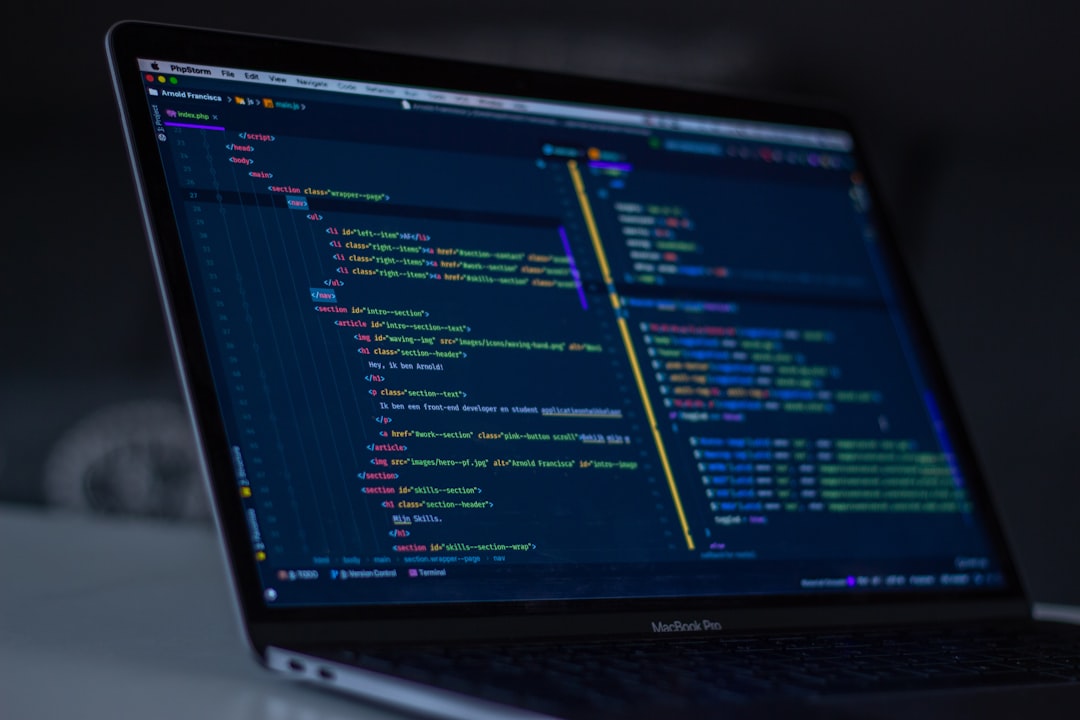
- Analyze the page structure (HTML).
- Locate the desired elements.
- Extract the data.
- Store it in structured format.
That structured format might be:
- CSV files
- Excel sheets
- Databases
- JSON files
If crawling is casting a wide net, scraping is using a fishing spear. Very specific. Very intentional.
The Core Differences
So what really sets them apart?
Let’s break it down in simple terms.
1. Purpose
- Crawling: Discover pages and map websites.
- Scraping: Extract specific information from pages.
2. Scope
- Crawling: Broad and large scale.
- Scraping: Narrow and focused.
3. Output
- Crawling: Website indexes or URL lists.
- Scraping: Structured datasets.
4. Use Case
- Crawling: Search engines, SEO audits, site analysis.
- Scraping: Price comparison, research, lead generation.
When Should You Use Web Crawling?
Use crawling when you need discovery.
Here are common scenarios:
1. Search Engine Development
If you want to build a search engine, you need to find pages first. A crawler scans the internet and builds an index.
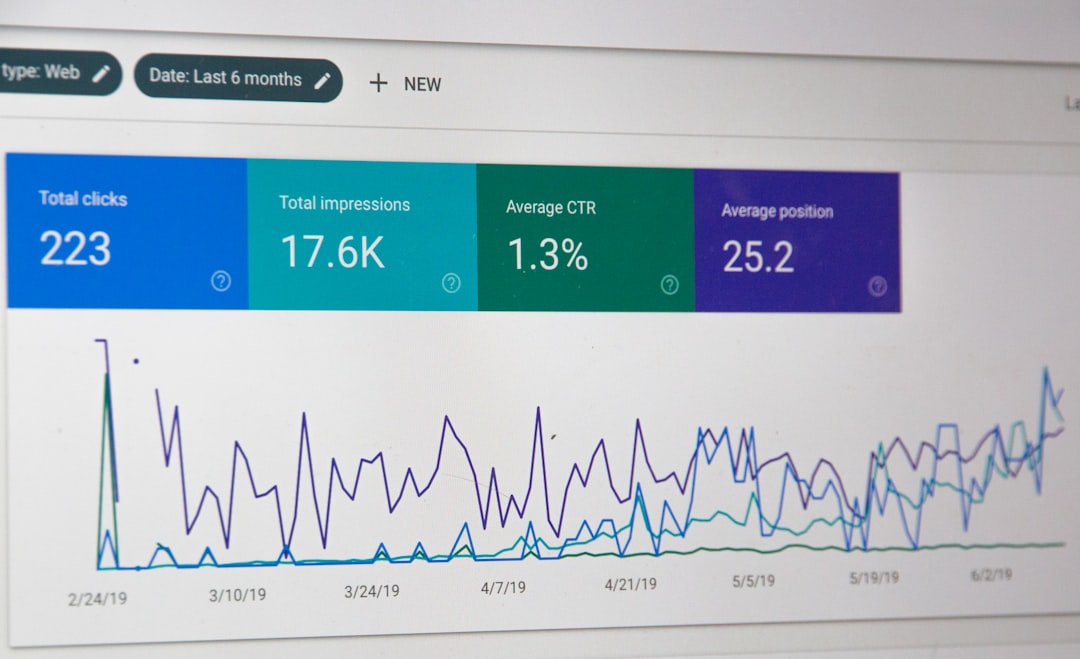
2. SEO Audits
SEO experts use crawlers to scan websites. They detect:
- Broken links
- Duplicate content
- Missing meta tags
- Poor structure
You cannot fix what you cannot find. Crawlers find it.
3. Website Monitoring
Businesses use crawlers to monitor their own sites. They check:
- New pages
- Deleted pages
- Status codes
4. Large Scale Data Discovery
If you do not know where the data lives yet, crawling is the first step.
It tells you what exists.
When Should You Use Web Scraping?
Use scraping when you need specific data.
1. Price Comparison
Ecommerce businesses monitor competitors. They scrape:
- Prices
- Discounts
- Stock availability
This helps adjust their own pricing strategy.
2. Market Research
Researchers scrape customer reviews. They look for:
- Trends
- Complaints
- Common features mentioned
That data becomes insights.
3. Lead Generation
Some companies scrape:
- Business directories
- Public contact information
- Job boards
They turn public data into sales opportunities.
4. Content Aggregation
News apps and content platforms collect headlines from many sources. They scrape summaries and links.
Can You Use Both Together?
Absolutely. And often, you should.
Here is how they work as a team:
- A crawler discovers thousands of relevant pages.
- A scraper extracts specific data from those pages.
This is common in large data projects.
For example:
You want all job listings related to “remote marketing.”
- First, crawl job boards to find listing URLs.
- Then scrape each listing for salary, title, and location.
One finds. The other collects.
Important Considerations
Before you start crawling or scraping, slow down.
There are things to think about.
1. Legal Boundaries
Not all websites allow scraping. Always check:
- Terms of service
- Robots.txt files
- Local data protection laws
Public does not always mean free to take.
2. Website Load
Aggressive crawling can overload servers. That is bad practice.
Good bots:
- Respect rate limits
- Use polite delays
- Identify themselves properly
3. Dynamic Content
Modern websites use JavaScript heavily.
Some data loads after the page appears. This makes scraping more complex. Sometimes you need tools that simulate browsers.
Common Myths
Myth 1: They Are the Same Thing
No. Crawling is about finding pages. Scraping is about extracting data.
Myth 2: Only Hackers Use Scraping
False. Many legitimate businesses use scraping ethically for research and analytics.
Myth 3: Crawling Is Always Huge Scale
You can crawl small websites too. It depends on your goal.
A Simple Analogy
Imagine a giant library.
- Crawling is walking through the halls and writing down every book title and shelf location.
- Scraping is opening a specific book and copying down certain paragraphs.
One maps the library.
The other collects information from inside books.
Different missions. Different methods.
Final Thoughts
Web crawling and web scraping are powerful tools. They fuel search engines, research, ecommerce, and analytics.
But they are not interchangeable.
Crawling is about breadth. Exploration. Discovery.
Scraping is about depth. Precision. Extraction.
If you need to know what exists, crawl.
If you need to collect specific data, scrape.
If you need both discovery and extraction, use them together.
Keep it ethical. Keep it respectful. And use the right tool for the job.
The web is massive. But with the right approach, it becomes manageable. Even friendly.

Comments are closed.