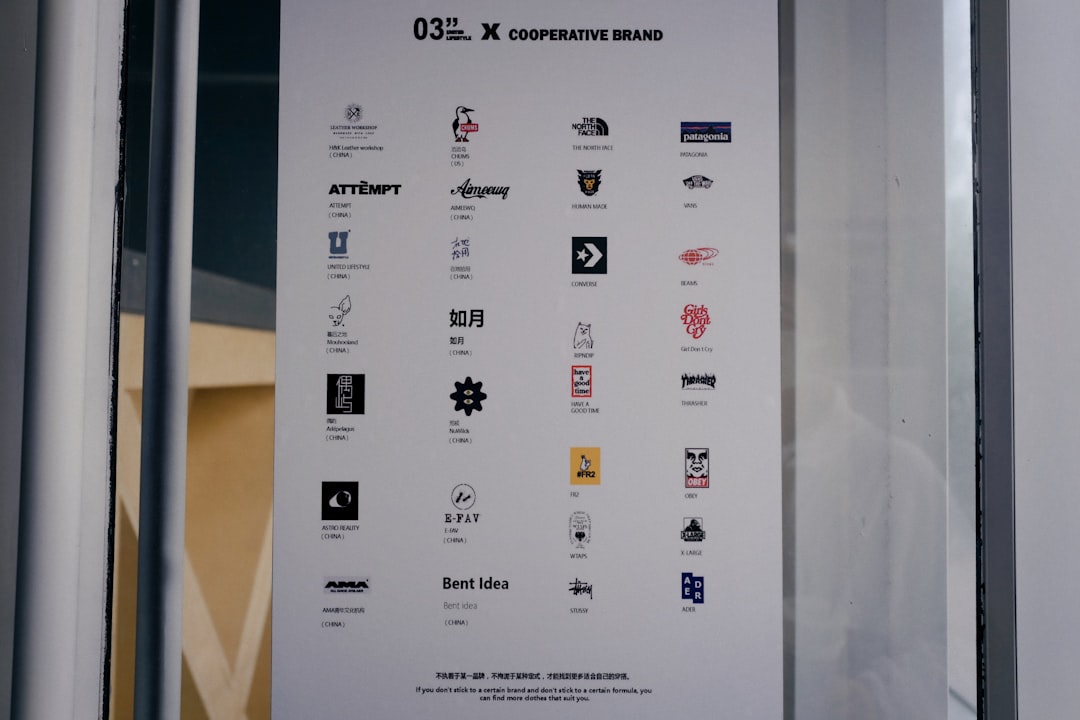

For digital brands, a logo is more than a decorative mark. It is often the first signal of credibility, category, personality, and quality that a customer sees across websites, apps, social feeds, marketplaces, and email campaigns. Modern AI logo creation tools have changed how companies approach this work, making early-stage identity development faster, more accessible, and more iterative. Used responsibly, these tools can help founders, marketers, and design teams explore visual directions quickly while still preserving the need for strategic judgment and professional review.
TLDR: AI logo creation tools can help digital brands generate, refine, and test logo concepts with greater speed and lower upfront cost. They are most valuable when used as part of a thoughtful branding process, not as a substitute for strategy, originality checks, or design expertise. The best results come from combining AI-generated options with clear brand positioning, human editing, and legal review before launch.
Why AI Logo Tools Matter for Digital Brands
Digital brands operate in environments where visual consistency must work across many surfaces: mobile screens, browser tabs, profile images, video thumbnails, app icons, paid ads, invoices, and product dashboards. A logo must be distinguishable at small sizes, flexible across formats, and aligned with the brand’s promise. Traditional design processes can still be highly effective, but they may require more time, budget, and coordination than a young brand can manage at the earliest stage.
AI logo tools address this gap by producing a broad range of visual ideas from a few inputs, such as industry, color preferences, brand name, tone, or keywords. Instead of starting from a blank page, users can review dozens or hundreds of possible directions. This makes the process more efficient, particularly for businesses that need to validate an idea, launch a landing page, or prepare investor materials before commissioning a complete brand identity system.

How Modern AI Logo Creation Works
Most AI logo platforms combine several technologies. Some use generative models to create marks, symbols, and compositions. Others rely on large libraries of design elements, typography pairings, and layout rules enhanced by machine learning. The user typically enters the brand name and selects descriptors such as minimal, premium, playful, technical, or trustworthy. The system then generates logo options based on these parameters.
More advanced tools may also offer color palette suggestions, font matching, mockups, and export files for web and print. Some provide vector formats, transparent backgrounds, and brand kits with social media assets. These features are important because a logo is rarely used in isolation. A strong digital brand needs a basic visual system that can remain coherent across multiple channels.
Key Advantages for Startups and Growing Companies
The strongest benefit of AI logo tools is speed. A team can move from rough idea to usable options in minutes, which is valuable when time-to-market matters. This does not mean every result will be suitable, but rapid exploration can reveal what feels right and what clearly does not.
Another advantage is affordability. Early-stage brands often have limited budgets. AI tools allow them to create an initial identity without committing to a complete agency engagement. For some businesses, this may be appropriate for a temporary launch phase. For others, it may serve as a foundation that a professional designer can later refine.
AI tools also encourage experimentation. Users can test different styles, colors, and structures without starting over each time. A fintech brand might compare conservative serif typography with a cleaner geometric mark. A wellness app might evaluate soft organic shapes against a more clinical, science-led identity. This range can lead to better decision-making when teams discuss their brand direction.
- Faster concept generation: useful for early exploration and internal presentations.
- Lower initial cost: helpful for small teams and new ventures.
- Broader visual testing: enables comparison of multiple identity directions.
- Consistent asset production: many tools can generate icons, mockups, and social graphics.
- Accessible workflow: non-designers can participate in the branding process more effectively.
The Limits of AI-Generated Logos
Despite their usefulness, AI logo tools have real limitations. A logo is not successful simply because it looks modern. It must be distinct, relevant, scalable, memorable, and appropriate to the brand’s competitive context. AI systems can generate attractive visuals, but they do not truly understand business strategy, audience psychology, market positioning, or long-term brand equity in the same way an experienced designer or strategist can.
Originality is another serious concern. Some AI-generated outputs may resemble existing logos, especially when they use common symbols, predictable layouts, or popular visual trends. A shield for cybersecurity, a leaf for sustainability, a chat bubble for software, or a rocket for startups may be easy to understand, but also highly generic. Digital brands should be cautious about adopting symbols that are overused in their category.
There are also technical issues. Some generated logos may not work well in monochrome, may lose clarity at small sizes, or may depend on complex gradients that are difficult to reproduce consistently. Others may use typography that looks good in a preview but lacks proper spacing, balance, or licensing clarity. These details may seem minor, but they affect professionalism and trust.
What Makes a Strong AI-Assisted Logo
A strong AI-assisted logo should meet the same standards as any professionally developed identity asset. It should be legible, distinctive, and adaptable. It should support the brand’s positioning rather than simply follow a trend. For digital brands in particular, it should perform well as an app icon, website header mark, social avatar, and small favicon.
Before selecting a logo, teams should ask practical questions:
- Is it readable at small sizes? A mark that fails in a social profile image or mobile navigation bar will create problems.
- Does it feel appropriate for the audience? A playful identity may not suit a security platform, while a severe corporate look may weaken a consumer lifestyle brand.
- Is it meaningfully different from competitors? Similarity can reduce recognition and may create legal risk.
- Can it be used in black, white, and color? Flexibility is essential for digital and print applications.
- Are the fonts and assets properly licensed? Usage rights should be confirmed before public launch.
Best Practices for Using AI Logo Tools
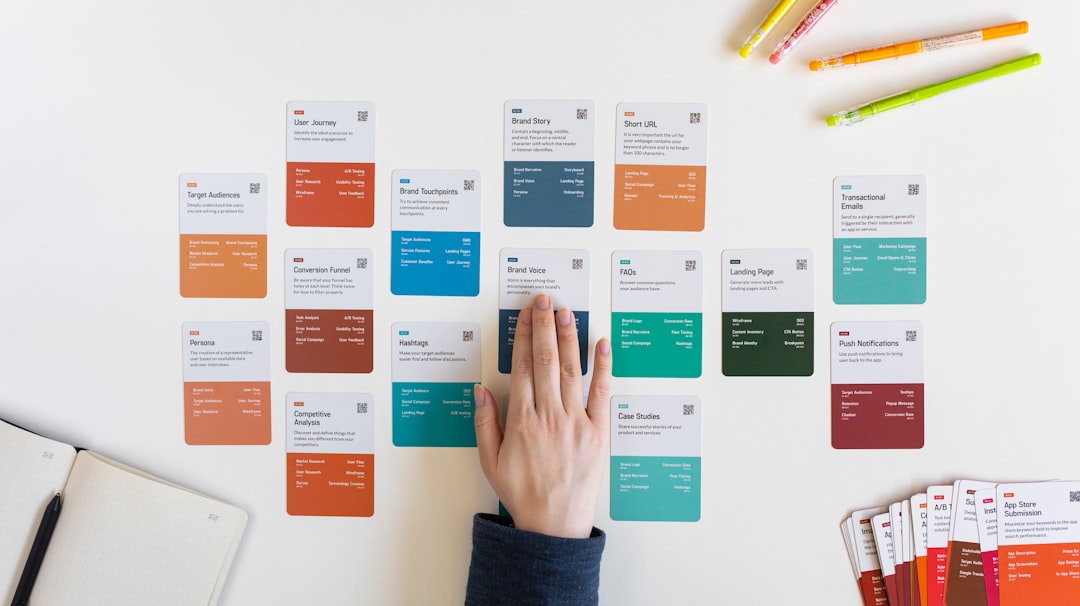
The most reliable approach is to begin with strategy, not visuals. Before opening an AI design tool, define the brand’s purpose, target audience, values, personality, and competitive landscape. A prompt such as “modern technology logo” is too broad. A more useful direction might describe a secure analytics platform for enterprise finance teams that should feel precise, reliable, and intelligent.
Next, generate a wide set of concepts, but evaluate them with discipline. Avoid choosing a logo only because it looks fashionable. Trends can be useful, but they age quickly. A brand that depends too heavily on current visual clichés may need a redesign sooner than expected.
It is also wise to involve more than one perspective. Founders may have personal preferences that do not reflect customer expectations. Designers, marketers, sales teams, and even trusted customers can provide useful feedback. However, feedback should be guided by clear criteria. Asking people whether they “like” a logo is less useful than asking whether it feels credible, memorable, and suitable for the product.
After narrowing the options, refine the chosen direction. Adjust spacing, simplify shapes, review color contrast, and test the logo in real placements. A logo that looks strong on a white preview screen may not work as well on a dark app interface, a crowded marketplace listing, or a small email header.
Legal and Ethical Considerations
Digital brands should take legal review seriously. Trademark availability is not guaranteed by any visual generation tool. Before adopting a logo, businesses should conduct searches in relevant jurisdictions and categories. For high-stakes brands, consulting an intellectual property professional is a prudent step.
Asset licensing also deserves attention. Teams should understand whether they have commercial rights to the final files, whether fonts are included, and whether generated symbols are exclusive. Some services may allow broad commercial use, while others may include restrictions. Carefully reading the terms of service can prevent costly problems later.
Ethically, brands should avoid presenting AI-generated work as though it were the result of a bespoke strategic design process if that is not accurate. Transparency is not always required in the logo itself, but internal clarity matters. If a brand later hires a designer, it is helpful to disclose how the current identity was created and what assets are available.
AI Tools and Professional Designers
AI logo creation does not eliminate the value of professional designers. In many cases, it changes their role. Designers can use AI outputs as rough direction, mood exploration, or a way to accelerate ideation. Their expertise remains essential in judging proportion, typography, uniqueness, system design, and brand meaning.
For serious digital brands, the most effective model is often AI-assisted, human-led design. AI can generate possibilities; humans decide what is strategically right. A professional can transform a promising concept into a durable identity system with rules for spacing, color, typography, accessibility, animation, and responsive usage.
Choosing the Right Tool
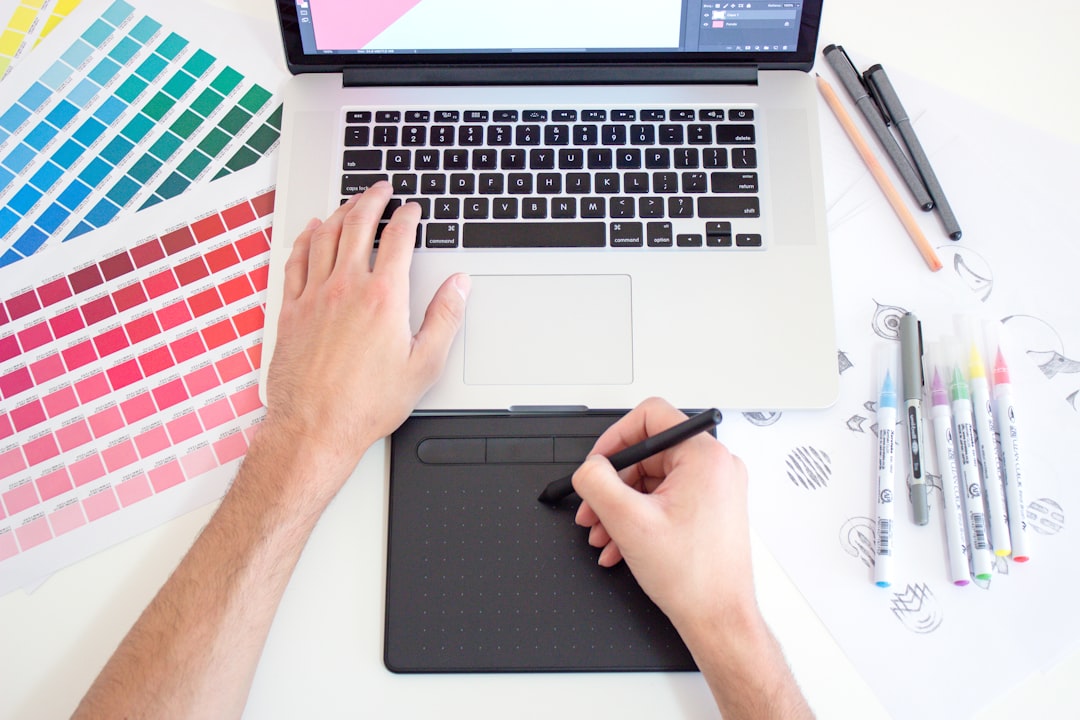
When evaluating AI logo creation tools, focus on output quality and practical control rather than novelty. A good tool should provide editable files, clean exports, transparent licensing terms, and options for customization. It should let users adjust colors, typography, layout, and icon treatment without forcing the brand into rigid templates.
Look for tools that support vector formats such as SVG or EPS, because these are essential for scalability. PNG files may be useful for quick digital use, but they are not enough for a complete identity. Also consider whether the platform offers brand kit features, including color codes, font information, logo variations, and usage mockups.
The Future of AI Logo Creation
AI logo tools are likely to become more context-aware. Future systems may evaluate competitor identities, check contrast accessibility, simulate real-world use cases, and suggest more distinctive visual territories. They may also integrate more deeply with website builders, product design software, and marketing platforms, allowing brands to maintain visual consistency from concept to launch.
However, better technology will not remove the need for judgment. As AI-generated design becomes more common, distinctiveness will become even more valuable. Brands that rely entirely on generic automated outputs may blend into a crowded visual landscape. Those that combine AI efficiency with strategic clarity and human craft will have a stronger chance of building recognition and trust.
Conclusion
Modern AI logo creation tools offer meaningful advantages for digital brands, especially when speed, cost, and exploration matter. They can help teams generate ideas, compare directions, and produce early visual assets with impressive efficiency. Yet a logo is a business asset, not just a graphic. Before launch, it should be tested for clarity, originality, scalability, and legal safety.
The most trustworthy use of AI in logo creation is not to treat it as an automatic answer, but as a capable assistant. With a clear brand strategy, careful evaluation, and professional refinement where needed, AI tools can support the creation of logos that are practical, credible, and ready for the demands of modern digital branding.

Comments are closed.