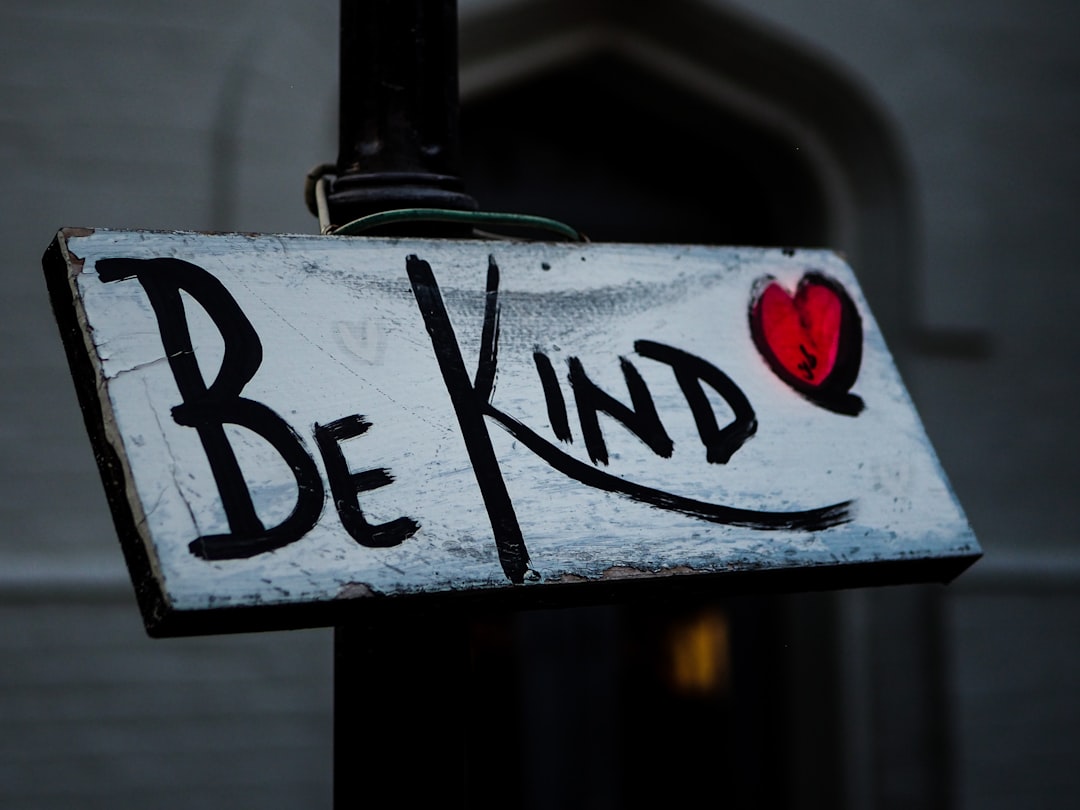

Across cultures, time periods, and traditions, humans have sought to express values such as love, compassion, and generosity through shared symbolism. Among the most uplifting and unifying of these expressions are symbols of kindness—iconic images, gestures, and metaphors that capture the essence of good will among people. While kindness can be a spontaneous human action, its visual and symbolic depictions help reinforce its value in society. From ancient religious texts to modern global campaigns, the symbols of kindness serve to remind us of the goodness that connects humanity.
TLDR: Symbols of Kindness
Symbols of kindness are deeply embedded in cultures around the world and serve as powerful reminders of our shared humanity. These symbols include traditional icons like the heart and lotus flower, gestures like the open hand, and even animal emblems such as the dove. They signify peace, compassion, and altruism. Understanding them fosters a stronger commitment to empathy in daily life.
The Role of Symbols in Human Communication
Symbols are essential to the way humans communicate abstract ideas. Unlike words, which are bound by language, symbols can transcend linguistic barriers and resonate across different societies. They encapsulate complex sentiments—such as love, empathy, and altruism—into recognizably meaningful forms. As such, symbols of kindness are not only representations of moral values; they are tools used for teaching, healing, and inspiring.
Common and Powerful Symbols of Kindness
Throughout history and across continents, various symbols have been used to depict and promote the message of kindness. Below are some of the most prevalent and impactful:
1. The Heart
Perhaps the most universally recognized symbol of love and kindness, the heart has held spiritual and emotional significance since antiquity. Ancients believed it was the seat of emotion, and today, the heart icon is used everywhere—from charitable causes to social media campaigns—to signify compassion, care, and emotional warmth.
2. The Open Hand
The image or gesture of an open hand commonly represents trust, welcome, and a willingness to give without expectation of return. It’s a gesture seen in various religious rituals, cultural greetings, and humanitarian symbols. It signals peace, vulnerability, and readiness to support another person.

3. The Dove
The dove is often associated with peace, but it is equally a symbol of benevolence and purity. In Christian iconography, the dove represents the Holy Spirit, many times linked to compassion and divine truth. In modern secular contexts, doves convey the aspiration for peaceful coexistence and kinder interactions among people.
4. The Lotus Flower
Originating in Eastern philosophies and religions, the lotus flower emerges from muddy waters pure and beautiful. It symbolizes the idea that individuals can rise above suffering and negativity through purity, love, and kindness. In Buddhism and Hinduism, kindness to oneself and others is foundational—and the lotus flower embodies this elevation of spirit and mind.
5. The Pink Ribbon
While widely known for its association with breast cancer awareness, the pink ribbon has become a universal token of solidarity, empathy, and support for those enduring hardships. Its message is one of standing together in compassion—not just raising awareness but also consciously spreading acts of kindness toward affected individuals and communities.
Symbolic Gestures of Kindness in Various Cultures
Beyond icons and images, many cultures express kindness through gestures and customs that hold rich symbolic value. These are some notable examples:
- Offering food or drink: In numerous traditions, offering sustenance is a sacred act of kindness, hospitality, and community building.
- Smiling: While seemingly small, a genuine smile can be one of the most universal gestures of friendliness and goodwill.
- Giving flowers: Flowers are timeless symbols of beauty and tenderness, with different blooms representing various aspects of kindness—roses for love, lilies for kindness, and daisies for innocence.
- Bow or Namaste: In countries like Japan and India, respectful greetings that involve bowing or a palm gesture represent acknowledgment of another’s humanity and spirit.
Kindness as Illustrated in Animals and Nature
Kindness is also symbolically portrayed through animals, many of which have come to embody gentleness, loyalty, and forgiveness:
- Dog: Often seen as man’s best friend, the dog is an age-old symbol of loyalty and unconditional kindness.
- Elephant: In various cultures, elephants are portrayed as gentle giants who show fealty, wisdom, and familial compassion.
- Swan: Representing grace and emotional sensitivity, swans appear in many myths as sanctuaries of gentle affection.

Additionally, nature itself symbolizes an overarching kindness—offering humanity sustenance, beauty, and refuge. Trees providing shade or rivers giving water are often seen in literature and mythology as acts of selfless giving.
Modern Symbols of Kindness
The contemporary world has also introduced new symbols of kindness, some shaped by global humanitarian movements and digital communication:
- Hashtags like #BeKind or #KindnessMatters: Though not physical symbols, these digital expressions carry the power of collective action and awareness, uniting people worldwide under shared callings for decency and compassion.
- Rainbow colors: Initially a symbol of LGBTQ+ pride, the rainbow has expanded in meaning to encompass diversity, inclusiveness, and kindness toward all, especially marginalized groups.
- Paper crane: Originating from Japanese tradition and made famous by the story of Sadako Sasaki, the folded paper crane promotes peace, healing, and hope for a more empathetic world.
Why These Symbols Matter
Though simple in form, symbols of kindness possess immense cultural and emotional power. They act as reminders during trying times, provide comfort to the distressed, and strengthen the values that hold our communities together. In an increasingly fragmented world, these emblems of unity and care preach a timeless, cross-boundary wisdom: that kindness is not weakness, but strength in its most noble form.
Moreover, symbols are especially important in education and activism. A single icon or gesture can communicate more effectively than lengthy speeches or texts and often evoke a more emotional response. For instance, when volunteers wear heart badges during a crisis relief effort, they nonverbally assure those around them that support and love are present. When students exchange handmade friendship bracelets, a spirit of kindness and shared humanity is cultivated early on.
Promoting Symbols of Kindness in Everyday Life
There are many ways to incorporate and uphold these symbols in daily practice:
- Wear accessories like pins or necklaces with compassion-related symbols to silently express your values.
- Use gestures such as open palms, respectful bows, or kind facial expressions in your interactions.
- Create or share digital content featuring positive symbols to inspire community kindness online.
- Teach children the meaning behind cultural and global symbols of kindness through storytelling or art projects.
By mindfully applying these symbolic cues, people can subtly and continually advocate for a more empathetic world. Even in moments of despair, the widespread visibility of these symbols can remind individuals that light, hope, and mutual understanding are never far away.
Conclusion
In a world often overwhelmed by complexity and conflict, symbols of kindness offer a universal language of hope and unity. They convey the eternal truth that compassion transcends boundaries—be they geographic, cultural, or temporal. From ancient emblems like the lotus and dove to modern digital icons like hashtags and rainbows, these symbols serve not only as reminders but as calls to action. Understanding and embracing these symbols ensures that kindness remains not just a fleeting emotion, but a permanent marker of who we are at our best.

Comments are closed.