

PlanetScale has become a popular choice for teams seeking a serverless, scalable MySQL-compatible database built on top of Vitess. Its branching workflows, developer-friendly deployments, and managed infrastructure have earned it strong adoption among startups and growing SaaS companies. However, as scalability requirements become more complex and operational expectations rise, many engineering teams discover that PlanetScale is not always the optimal fit. Whether the concern is cost predictability, feature limitations, multi-cloud flexibility, or operational control, there are serious alternatives that often provide stronger scalability, deeper configurability, and enterprise-grade resilience.
TLDR: PlanetScale is a capable MySQL scaling platform, but it is not the only—or always the best—option. Tools such as Amazon Aurora, Google Cloud SQL with read replicas, Azure Database for MySQL, TiDB, and self-managed Vitess often provide greater flexibility, advanced scaling mechanisms, and stronger enterprise features. Some solutions offer better horizontal scaling, others provide global distribution or tighter cloud integration. The right choice depends on your workload, compliance requirements, operational model, and budget tolerance.
Why Look Beyond PlanetScale?
Before evaluating alternatives, it is important to understand why teams move away from PlanetScale in the first place:
- Limited feature parity with native MySQL (for example, certain foreign key constraints).
- Pricing structure that may become expensive at scale.
- Single-vendor dependency concerns.
- Advanced analytics or hybrid workloads requiring stronger transactional consistency or HTAP support.
- Enterprise compliance and control requirements.
For high-growth businesses, database scalability is not just about handling traffic spikes. It involves global distribution, predictable latency, disaster recovery, governance, and cost optimization. Below are several tools that, in many scenarios, outperform PlanetScale in these dimensions.
1. Amazon Aurora MySQL
Amazon Aurora is often considered the gold standard for scalable MySQL in production environments. Designed for high availability and fault tolerance, Aurora separates compute and storage, enabling automatic storage scaling up to 128 TB.

Key advantages over PlanetScale:
- Storage auto-scaling without manual intervention.
- Up to 15 read replicas with low-latency replication.
- Multi-AZ failover with minimal downtime.
- Deep integration with the AWS ecosystem.
- Strong enterprise compliance certifications.
Aurora is particularly strong for organizations already operating in AWS. Its global database feature enables cross-region replication with low-latency reads worldwide. For enterprises prioritizing operational maturity, Aurora frequently surpasses PlanetScale in resilience and ecosystem integration.
2. Google Cloud SQL for MySQL (with Read Replicas)
Google Cloud SQL offers a managed MySQL service that, when paired with read replicas and high-availability configurations, can deliver significant throughput improvements.
Why it can be better than PlanetScale:
- Native support for standard MySQL features including foreign keys.
- Seamless integration with Google Cloud security and IAM.
- Private IP and VPC-native networking.
- Straightforward vertical scaling.
Unlike PlanetScale, which relies heavily on Vitess sharding, Cloud SQL emphasizes managed simplicity with predictable scaling via replicas. For teams seeking fewer abstractions and closer alignment to standard MySQL behavior, Cloud SQL can provide more operational transparency.
3. Azure Database for MySQL
Microsoft’s managed MySQL offering has matured significantly. Azure Database for MySQL Flexible Server supports zone redundancy, automated backups, and read replicas across regions.
- High availability options with zone-redundant deployments.
- Built-in enterprise security features.
- Tight integration with Microsoft Entra ID (Azure AD).
- Predictable cost models compared to usage-based scaling plans.
For companies deeply invested in Microsoft’s ecosystem, this service provides better governance alignment and identity integration than PlanetScale.
4. TiDB
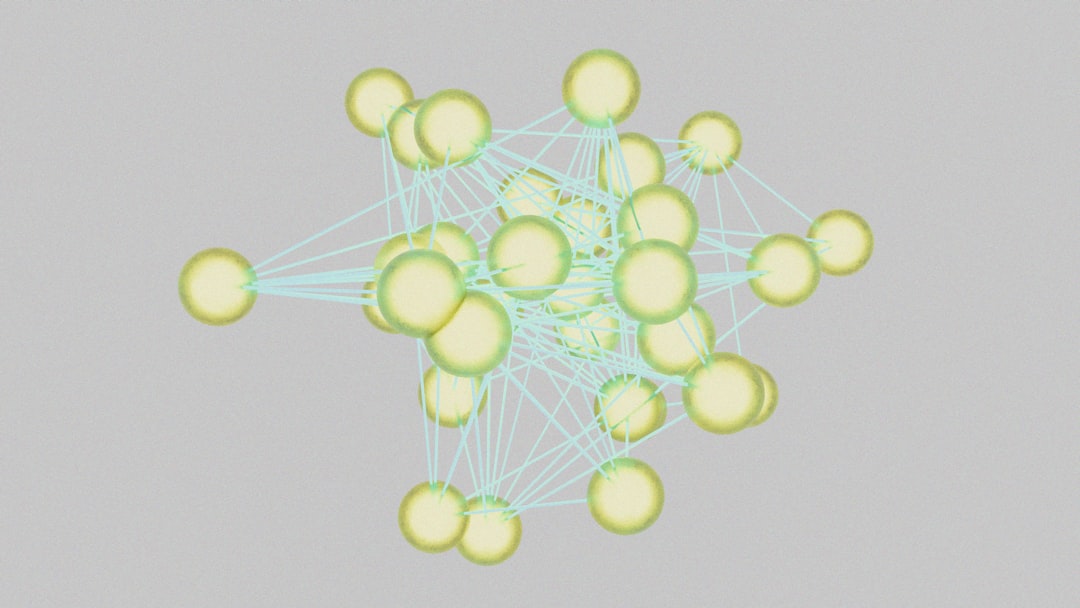
TiDB is a distributed SQL database that is MySQL-compatible but built from the ground up for horizontal scalability. Unlike PlanetScale, which uses Vitess to shard data, TiDB employs a distributed architecture separating compute and storage layers.
What makes TiDB powerful:
- True horizontal scaling for both reads and writes.
- HTAP capabilities (hybrid transactional and analytical processing).
- Strong consistency through distributed transactions.
- Multi-cloud and on-premise deployments.
For workloads requiring massive scale across both transactional and analytical workloads, TiDB can significantly outperform PlanetScale. It is especially suited for fintech, gaming, and large SaaS applications with globally distributed users.
5. Self-Managed Vitess
PlanetScale itself is built on Vitess. However, organizations with advanced DevOps capabilities may choose to run Vitess independently.
Why this might be superior:
- Full operational control.
- No vendor lock-in.
- Custom sharding strategies.
- Infrastructure-agnostic deployment.
This route demands significant engineering investment, but companies seeking maximum customization and cost control at extreme scale often find self-managed Vitess more flexible than a managed abstraction layer.
6. CockroachDB (MySQL-Compatible via Migration)
Although not natively MySQL, CockroachDB deserves careful consideration for teams prioritizing global resilience. It offers automatic replication, self-healing clusters, and distributed SQL by design.
- Multi-region deployment by default.
- Strong consistency guarantees.
- Automatic rebalancing.
While migration effort is required, organizations building globally distributed applications often achieve better fault tolerance than with PlanetScale’s relatively narrower infrastructure focus.
Comparison Chart
The following table summarizes how these tools compare across critical scalability dimensions:
| Tool | Horizontal Scaling | Read Replicas | Global Deployment | Operational Control | Best For |
|---|---|---|---|---|---|
| PlanetScale | Sharding via Vitess | Yes | Limited regions per plan | Managed | Developer-first SaaS |
| Amazon Aurora | Auto-scaling storage | Up to 15 | Yes | Managed | AWS enterprises |
| Google Cloud SQL | Vertical + replicas | Yes | Regional replicas | Managed | GCP workloads |
| Azure MySQL | Vertical + replicas | Yes | Zone redundant | Managed | Microsoft ecosystem |
| TiDB | True horizontal scale | Integrated | Multi-cloud | Flexible | High scale HTAP |
| Self Managed Vitess | Custom sharding | Yes | Infrastructure dependent | Full control | Advanced DevOps teams |
Key Architectural Considerations
Choosing a scalable MySQL solution requires evaluating architectural trade-offs carefully.
1. Read-heavy vs Write-heavy workloads
Aurora and Cloud SQL excel with read replicas. TiDB handles write scaling more naturally.
2. Operational Team Size
Smaller teams benefit from managed solutions. Larger organizations may benefit from self-managed Vitess or distributed databases.
3. Geographic Requirements
If your application serves users across continents, true distributed databases such as TiDB or CockroachDB may provide better latency characteristics.
4. Compliance and Data Sovereignty
Enterprise compliance often favors major cloud providers due to extensive certification frameworks.
5. Cost Predictability
Usage-based serverless pricing can grow unexpectedly. Reserved instances or controlled infrastructure setups may offer better cost forecasting.
Final Assessment
PlanetScale remains a capable, developer-friendly scaling solution for MySQL workloads. However, it is not universally optimal. Organizations operating at significant scale, requiring custom infrastructure control, or serving global traffic with strict compliance demands often find stronger long-term solutions in Amazon Aurora, TiDB, or self-managed Vitess.
The serious evaluation should not center on feature parity alone but on architectural alignment. Scalability is multidimensional: it includes reliability, governance, latency management, data integrity, cost efficiency, and operational complexity. Tools that excel in one dimension may compromise another.
In the end, selecting a database platform is less about which tool is “better” in the abstract and more about which architecture best aligns with your engineering maturity, financial model, and global growth plans. Teams that conduct rigorous load testing, capacity planning, and total cost analysis will consistently make stronger decisions than those driven by popularity alone.

Comments are closed, but trackbacks and pingbacks are open.