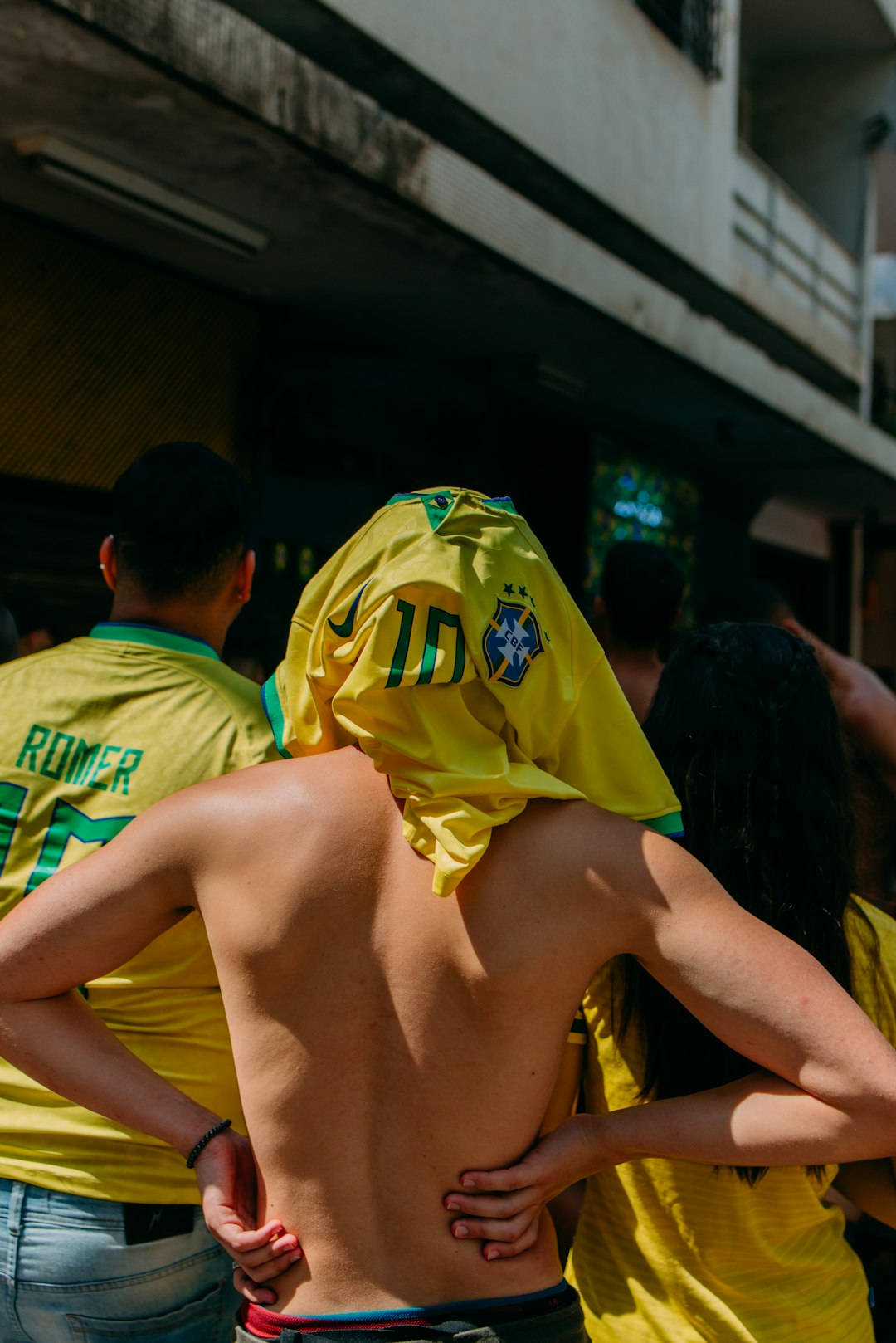

Travel opens up a world of experiences—some of the most profound being those linked with cultural immersion. While landmarks and landscapes provide wonder, it’s the people, traditions, and shared celebrations that often leave the deepest impression. Around the globe, countless cultural events reflect centuries of history, artistry, community, and faith, making them essential highlights for any serious traveler.
TL;DR:
If you’re planning your next journey and want more than just sightseeing, consider aligning your travels with major cultural events around the world. From the vibrant colors of Holi in India to the spiritual solemnity of Japan’s Obon Festival, these celebrations offer insight into local lifestyles, traditions, and values. Cultural events not only enhance your itinerary but also deepen your connection to the places you visit. Times vary, so planning ahead is crucial!
1. Carnival in Rio de Janeiro, Brazil
Timing: February or March (date varies depending on Easter)
One of the most electrifying cultural experiences on Earth, the Rio Carnival is an explosive celebration of music, dance, and colorful pageantry. As Brazil’s most famous festival, it features lavish samba parades, street parties (blocos), and a massive influx of international tourists, all drawn to the contagious joy of the festivities.
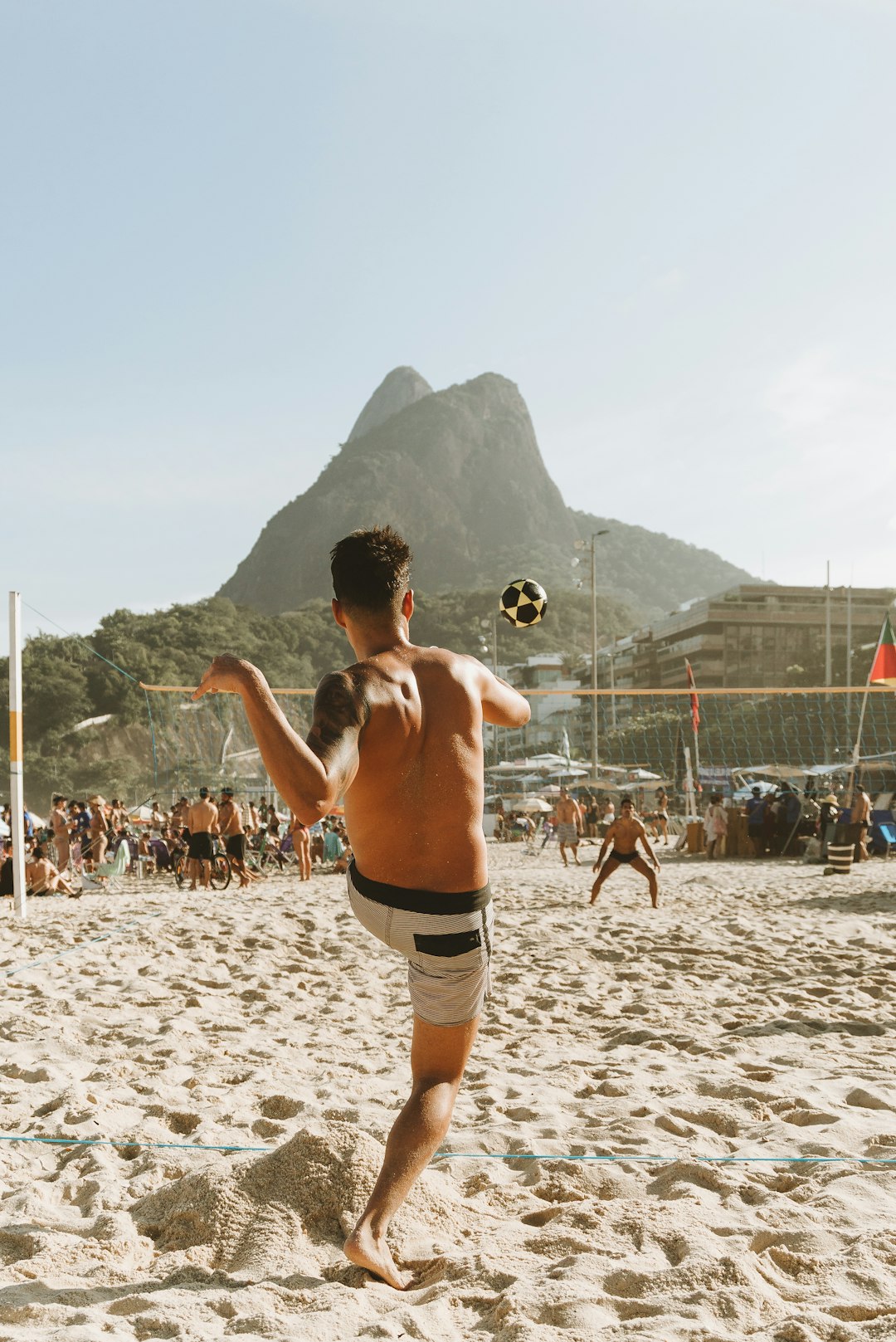
The epicenter of the action is the Sambadrome, where samba schools compete in themed performances that are judged for creativity, music, choreography, and costumes. Yet, some of the most authentic experiences can be found in the street celebrations, where locals and travelers mingle freely.
2. Holi Festival, India
Timing: March (date varies by lunar calendar)
Known as the Festival of Colors, Holi is celebrated throughout India (and Nepal), but the northern city of Mathura, considered the birthplace of Lord Krishna, offers some of the most intense and photogenic Holi experiences. This Hindu festival symbolizes the victory of good over evil and heralds the arrival of spring.
People of all ages take to the streets to throw powdered pigments at each other, dance, and share traditional sweets. As a visitor, participation requires advance preparation—not just physically, but culturally. Dressing modestly, showing respect during prayer rituals, and understanding local protocols will ensure a rewarding experience.
3. Obon Festival, Japan
Timing: Mid-August (traditional; some regions celebrate in July)
One of Japan’s most spiritually significant festivals, the Obon Festival honors ancestral spirits. Families return to their hometowns to clean graves, light lanterns to guide spirits home, and perform traditional Bon Odori dances. In many towns, culminating events include floating lanterns on rivers or the sea to send spirits back to the afterlife.
Kyoto’s Daimonji Festival is especially memorable, where giant fire characters are lit on mountainsides—a symbolic gesture to guide spirits safely. Travelers are welcomed warmly during Obon, but it’s also a time of personal and familial reflection, so utmost respect is crucial.
4. La Tomatina, Spain
Timing: Last Wednesday of August
Held in the town of Buñol, near Valencia, La Tomatina is the world’s largest food fight. Tens of thousands gather to participate in pelting overripe tomatoes at one another, creating an exuberantly messy and unforgettable experience. Although it may appear chaotic, regulations ensure safety—for instance, tomatoes must be squashed before throwing to minimize impact.
While this event is irreverent in nature, it is deeply rooted in Spanish community tradition and has now grown into a symbol of freedom and collective joy. Tickets are required, and wearing goggles is highly recommended!
5. Inti Raymi: Festival of the Sun, Peru
Timing: June 24
In Cusco, the historical capital of the Inca Empire, the Inti Raymi festival revives a sacred Incan tradition dedicated to Inti, the Sun God. Celebrated around the winter solstice in the Southern Hemisphere, this reenactment showcases ancient rituals, costumes, and music at the Sacsayhuamán archaeological site.
The ceremony is a powerful tribute to Peru’s indigenous heritage and reflects the fusion of Incan traditions and Spanish influences. It draws thousands who seek to experience the mystique and grandeur of ancient cultures made alive once more.
6. Gion Matsuri, Kyoto, Japan
Timing: Entire month of July
One of Japan’s most prestigious festivals, Gion Matsuri dates back to the 9th century. Celebrated to appease gods during times of plague, today it honors tradition with majestic processions of float parades (yamaboko), religious rituals, and street festivities throughout Kyoto.
Image not found in postmetaThe atmosphere blends spiritual reverence with community pride, making it a compelling time to visit Japan’s cultural heart. For the best views, book accommodations and seating well in advance, as the festival attracts both domestic and international crowds.
7. Día de los Muertos, Mexico
Timing: October 31 – November 2
Unlike many cultures’ somber approach to death, Mexico’s Day of the Dead is a lively and affectionate tribute to departed loved ones. Families create ofrendas (altars) with photos, food, and candles to welcome souls home for a night. Streets are adorned with marigolds, and sugar skulls and parades bring energy to the tradition.
While many towns celebrate, Oaxaca and Mexico City are particularly renowned for their theatrical makeup, costumed processions, and vibrant storytelling. Visitors should tread carefully—this is a sacred observance, and participation should be respectful rather than performative.
8. Chinese New Year, China and the Chinese Diaspora
Timing: Late January–February (varies by lunar calendar)
Known as Spring Festival, Chinese New Year is the most important holiday across China and communities with a significant Chinese population. A time for family reunions, it is filled with customs: red envelopes, dragon dances, fireworks, and lavish banquets.
In major cities like Beijing, Hong Kong, and Singapore, travelers can enjoy spectacular light shows and cultural exhibitions that represent thousands of years of heritage. However, it’s also a family-focused occasion, so be prepared for mass transport queues and closures. Planning early is essential.
9. Edinburgh Festival Fringe, Scotland
Timing: August
The world’s largest arts festival, the Fringe transforms Edinburgh into a creative playground for artists and audiences alike. With thousands of performances spanning genres—from comedy and drama to music and dance—the festival offers a unique palette of global viewpoints, all in a single city.
Unlike most traditional cultural festivals, the Fringe represents a democratic platform for artistic expression, welcoming amateurs and professionals alike. It’s an ideal destination for culture vultures who crave eclectic and often experimental content.
10. Harbin Ice and Snow Festival, China
Timing: January–February
If winter wonderlands are your calling, Harbin in northern China hosts the globe’s most epic ice and snow sculpture festival. What began as a local garden party has evolved into a spectacle of frozen artistry, featuring gigantic sculptures, fireworks, and ice palaces illuminated by dynamic LED lights.
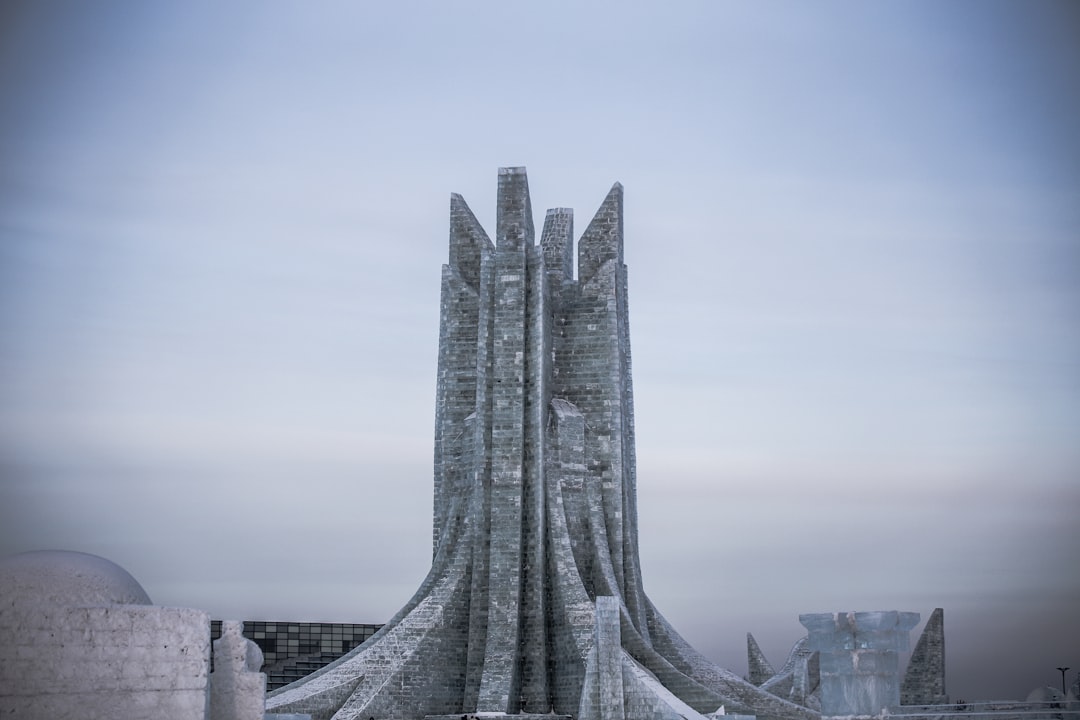
Given the frigid temperatures (-20°C or lower), gear up with thermal layers and plan visits to indoor attractions in between. Though chilly, the experience is nothing short of magical and offers an uplifting appreciation of artistry crafted from nature—quite literally frozen in time.
Final Thoughts
Choosing to align your travels with major cultural events can transform an ordinary trip into an extraordinary experience. These festivals and celebrations are not only spectacular showcases but also opportunities to understand diverse communities and belief systems on their own terms.
Always remember to approach each event with respect, open-mindedness, and observance of local customs. Whether it’s dancing with strangers in the streets of Rio or laying lanterns afloat in Japan, these moments enrich your journey—and stay with you long after your return.

Comments are closed.