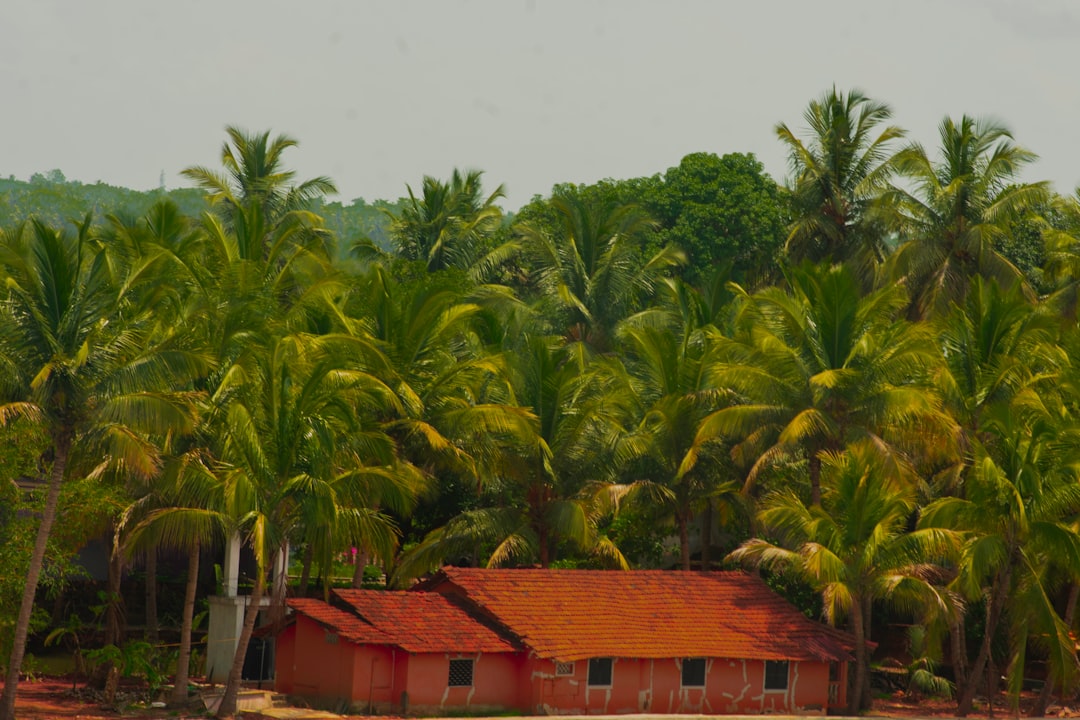

From ancient traditions to modern interpretations, humans have continuously been fascinated with the ways we identify, classify, and celebrate heritage. One intriguing cultural and linguistic case that illustrates this is the story of Valplekar—a surname and identity that is steeped in rich history, migration, cultural fusion, and linguistic transformation.
TLDR:
Valplekar is a surname that originates from the coastal regions of Goa, India, and has deep roots in Konkani culture. Its evolution encompasses the region’s interaction with Portuguese colonialism, caste structures, and regional linguistic patterns. Today, the name survives as a marker of regional heritage and identity, representing a fascinating blend of East and West. Its history sheds light on broader patterns of trade, migration, and cultural amalgamation in South Asia.
Understanding the Origin of the Name “Valplekar”
To understand the Valplekar lineage, we must first look at its linguistic components. The suffix “-kar” in Konkani and Marathi is often used to denote a person or family belonging to a specific place. Much like the European “son” suffix (e.g., Johnson) or the Slavic “-ski,” it ties individuals to a specific location.
In this case, “Valple” appears to be a derivative or phonetic adaptation of a village name in Goa or the nearby Konkan region. Thus, Valplekar literally translates to “one who hails from Valple” or “resident of Valple village.” However, the exact village or origin place might have had several phonetic versions like Walpal, Valpalem, or Valpoi over historical periods due to a lack of standardized spelling and the influence of various ruling powers.
Historical Context and Early Mentions
Goa, situated on India’s western coast, has always been a cultural melting pot. It was ruled by several powers, from the Kadambas and Vijayanagara Empire to the Sultanate of Bijapur and eventually, the Portuguese, who had a profound influence for over 450 years. The place-based surnames like Valplekar became standardized during and after the Portuguese colonial rule, often when people were Christianized or given formal documentation that required last names or surnames.
Early documentation of families or communities with this surname appears in Gaunkari records (village community systems), some of which were meticulously maintained even during colonial transitions. It’s also believed that Valplekar could have belonged to a particular caste or occupational class which traditionally lived in a said village and shared common rituals, customs, and dialects.
Migration and the Spread of the Name
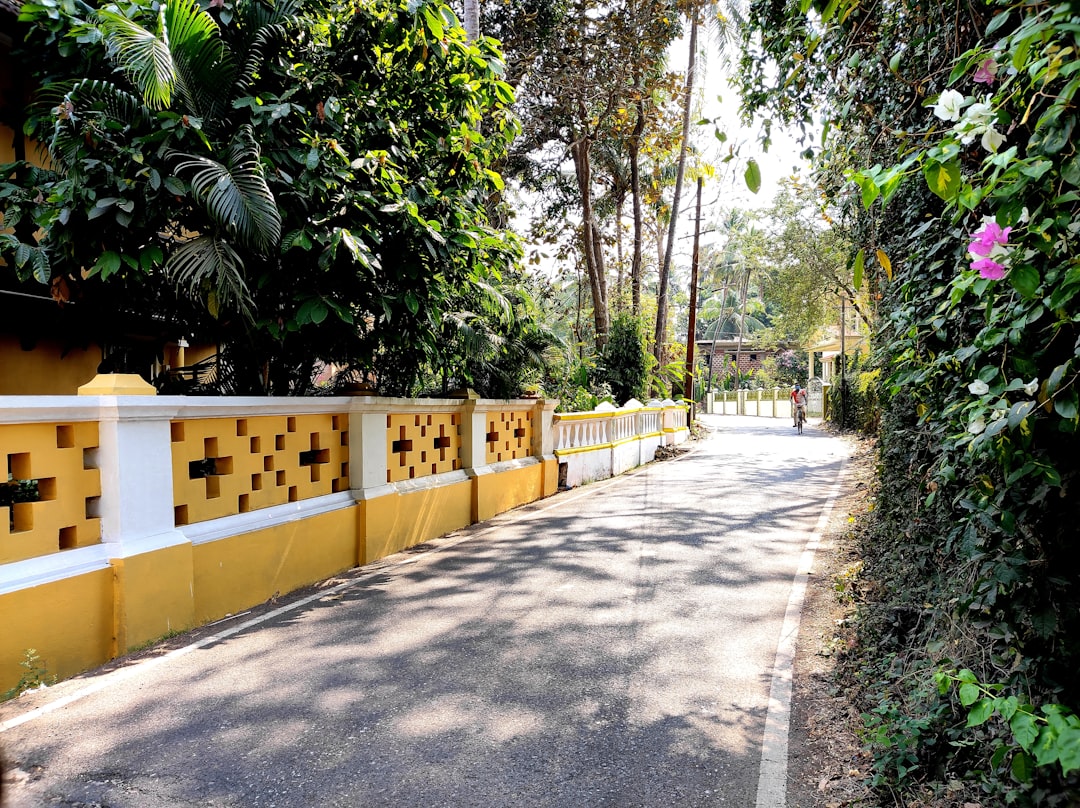
With time, many bearers of the name moved to cities like Panaji, Margao, Mumbai, and even overseas. This migration was driven by both economic opportunities and colonial employment systems, particularly during Portuguese rule when many Goans migrated to East Africa and later to Portugal and the UK. As Goanese families settled abroad, the surname Valplekar retained its regional identity, often sparking curiosity due to its rare usage compared to more common Goan surnames like D’Souza or Fernandes.
Another critical phase in its spread was during the post-1961 Annexation of Goa into the Indian Union. As modern Indian census and ID systems required surnames, families bearing traditional village-linked identities opted to formalize them, giving way to uniformity in spellings and broader recognition.
Valplekar in Language and Literature
Interesting traces of surnames like Valplekar appear in local Konkani proverbs, songs, and even folk dramas known as Tiatr. While not widely fictionalized, a surname like Valplekar would immediately signal regional, caste, and cultural identity to a local audience. In some family tales and oral history, the name is associated with particular feasts, festivals, or sacred rituals that were passed down through generations.
As more Goans pursued education and contributed to journalism and literature during the 20th century, surnames like Valplekar moved from just being identifiers to symbols of pride and lineage in places like Mumbai’s Konkani communities and among diasporic populations in Africa and Europe.
The Modern Significance of Valplekar
Today, the name is still in use among families primarily residing in southern and central Goa but is also found among global Goan communities. With increasing interest in genealogy and DNA ancestry systems, young Valplekars are now more curious than ever about where they came from and what their family stories mean. Some members have even started community research groups, online genealogy trees, and cultural meet-ups aimed at reviving long-lost traditions associated with their ancestry.
Moreover, in the age of social media, surnames like Valplekar help people from the same lineage reconnect, often discovering shared ancestry through digital interactions. They participate in forums, discussion groups, and WhatsApp family trees, strengthening ties across continents.
Why This Surname Still Matters
While surnames may seem like simple tags for modern identification, they hold layers of complex historical, cultural, and geographical meaning. Valplekar is not just a name—it is the story of a land, a culture, a people’s journey from rice paddies and fishing villages to urban landscapes and foreign countries.
Names like these offer valuable insight into:
- Geographical origins – pinning where families started and how they migrated.
- Sociocultural structures – exploring caste, occupation, and customs.
- Colonial legacy – understanding shifts in language and naming due to external political forces.
Speculative Theories and Oral Traditions
Because definitive historical records are scarce, many oral traditions have attempted to trace the first Valplekars. Some stories tie them to resistance against colonial powers; others speak of them being community priests or temple musicians. While unverified, these stories offer valuable perspectives and deserve further research.
One such oral story speaks of a large banyan tree under which community elders would gather to discuss village matters. The “Valplepe Boremchim Zatra” (Festival of Valple) held annually at a now-vanished temple is still remembered by some seniors, possibly offering clues into spiritual practices tied to surname lineage.
Conclusion
The legacy of the Valplekar surname exemplifies how regional identity, linguistic features, and migrations shape the human narrative. From a small coastal village to far-flung parts of the world, this name encapsulates a journey enriched by tradition and fueled by resilience.
Whether you bear the surname or simply find history compelling, the story of Valplekar opens a window to the layered, multicultural, and often overlooked tapestry of South Asian surnames. It invites us to ask: what stories reside within our own names?
Perhaps you too are a carrier of hidden chronicles, waiting to be rediscovered.

Comments are closed.