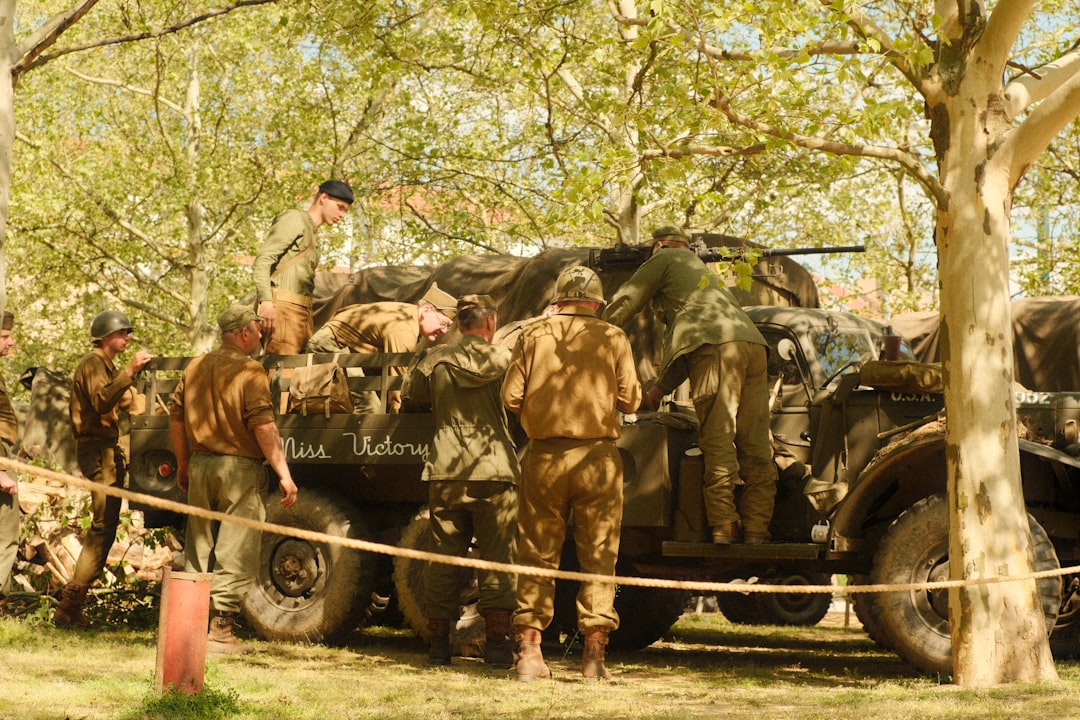

The English language, particularly in military and technical circles, includes a wide range of jargon and acronyms that serve various functions — from efficiency in communication to surprisingly candid expressions of frustration. One such term is “FUBAR,” a word that, while often heard in movies or casual conversations about chaotic situations, has a specific origin and a surprisingly deep cultural footprint.
TL;DR: “FUBAR” is a slang acronym that stands for “Fouled Up Beyond All Recognition” (or a more vulgar version with a different “F-word”). It originated in military circles, particularly during World War II. Over time, it has become embedded in popular culture to describe situations that are disastrously disorganized or irreparably broken. Despite its humorous tone, FUBAR captures real feelings of dismay and helplessness in the face of complex or irredeemable problems.
Understanding the Origin and Meaning of FUBAR
FUBAR is a classic example of military slang, typically attributed to American soldiers during World War II. Like many acronyms developed in stressful environments, it was created informally and spread virally through barracks, foxholes, and mess halls. The most recognized expansions of the acronym include:
- Fouled Up Beyond All Recognition (family-friendly version)
- F*ed Up Beyond All Repair/Recognition (original and more explicit variant)
It was used by soldiers to describe equipment, missions, or situations so deteriorated or chaotic that no efforts could fix them. In doing so, FUBAR offered a kind of linguistic relief from the realities of military life.
The Tactical Function of Humor and Slang in the Military
Slang, especially acronyms like FUBAR, serve several practical and psychological roles in military communication:
- Morale and Camaraderie: In high-stress environments, humor becomes essential. Terms like FUBAR express frustration in a way that feels communal and cathartic.
- Efficiency and Brevity: Words like FUBAR allow people to convey complex, often dire, conditions in a single, potent term.
- Censorship Workarounds: The use of acronyms enabled soldiers to say profane or inappropriate terms in radio calls or messages without overtly violating rules or standards.
This kind of jargon illustrates how communities adapt language to meet their emotional and operational needs. For many veterans, the term still holds emotional weight.
Popularization in Media and Pop Culture
FUBAR is far from being just a piece of historical military parlance—its integration into civilian life and media is extensive. One of the mainstream breakthroughs for the term came through popular war films. Movies like Saving Private Ryan, Jarhead, and the cult classic Tango & Cash all contain references to the term.

Through cinematic storytelling, FUBAR became associated not just with wartime calamity, but with personal and systemic failures across many domains, including politics, engineering, business, and technology. Its versatility as a descriptor made it a lasting part of pop culture.
Modern Day Usage and Variations
Today, you might encounter the term FUBAR in settings far removed from the battlefield. From failing project management systems to personal life disasters, the word succinctly communicates a sense of total dysfunction. Here are some scenarios where FUBAR might be used:
- Describing a severely mismanaged software deployment: “This code release is completely FUBAR.”
- Expressing frustration during a bureaucratic snafu: “The DMV process was utterly FUBAR.”
- Joking about a social disaster: “That party was FUBAR from the minute it started.”
The term has even inspired merchandise, memes, and social media hashtags, allowing it to traverse generational gaps and subcultures.
FUBAR’s Extended Family: SNAFU and TARFU
FUBAR is not alone in its acronymic expression of chaos. It belongs to a sort of darkly humorous trilogy of military-sourced slang. Others include:
- SNAFU – Situation Normal: All Fouled Up (or its more profane variant)
- TARFU – Things Are Really Fouled Up
These phrases, like FUBAR, were born in the military but migrated into civilian conversation. They carry a similar tone of sardonic acceptance of disorder — a hallmark of soldiers coping with the incomprehensible nature of war and command decisions.
The Linguistics of a Vulgar Acronym
FUBAR is a striking example of how language evolves and adapts cultural meaning over time. Linguists note that vulgar acronyms like FUBAR offer insight into how humans process large-scale systems and perceived failures. The inclusion of profanity, even in acronym form, emphasizes emotional intensity and depth of frustration.
Despite its controversial origins, the term now operates in a liminal space where its shock value has diminished, and its expressive utility remains. It’s considered casual but not socially unacceptable, especially in adult or professional circles where intensity must be communicated clearly.

Psychological and Symbolic Meaning
More than just a catchy acronym, FUBAR has psychological resonance. It communicates not just an objective state of disarray, but also the emotional toll such situations take. When someone says something is FUBAR, they are not merely reporting a fact—they are expressing helplessness, resignation, and, often, dark humor as a coping mechanism.
In therapy and stress studies, humor is well-documented as a way people deal with trauma. Terms like FUBAR legitimize that humor without trivializing the gravity of the situation.
Should You Use FUBAR in Professional Settings?
Although FUBAR has become mainstream, it’s important to consider the context when using it:
- In Formal Communication: Best to avoid unless you are certain the audience will appreciate and understand the context.
- In Technical or Military Jargon: Often more accepted and understood among peers.
- In Humor and Informal Conversation: Widely used and less likely to offend, depending on delivery.
Many professionals use FUBAR rhetorically in reports or presentations to underscore serious issues when other language may not adequately express the magnitude of dysfunction.
Conclusion: A Word Born from War, Living in the Modern World
FUBAR encapsulates more than just dysfunction; it channels historical, psychological, and emotional dimensions into a single, expressive term. What began as a World War II-era muttering has traveled the decades to become a tool for cultural commentary, comedic relief, and honest frustration.
It remains a uniquely powerful term that conveys chaos with both gravity and a wink—an enduring piece of linguistic resilience born from intense human experience.
Next time you hear “FUBAR,” take a moment to appreciate the depth of its journey—from barracks slang to boardroom lingo—and the way it so efficiently sums up a world gone terribly wrong.

Comments are closed.