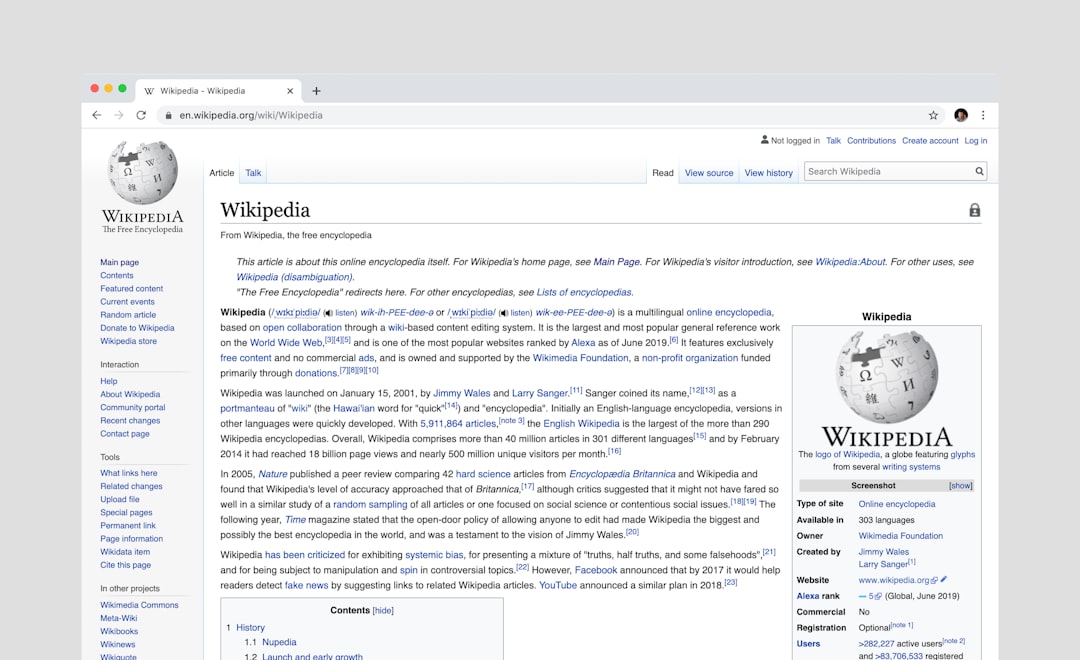

Imagine your blog is a tiny shop on a busy street. SEO is the bright sign, open door, and friendly wave that helps people find it. Without SEO, your posts may sit quietly in a dark corner of the internet. With SEO, search engines can understand your work and send readers your way.
TLDR: SEO helps people find your blog through search engines like Google. Use clear keywords, helpful content, good titles, fast pages, and smart links. Write for real humans first, then make it easy for search engines to understand. Do this often, and your blog traffic can grow like a happy little plant.
What Is SEO, Really?
SEO stands for Search Engine Optimization. That sounds fancy. It is not. It simply means making your blog easier to find when people search online.
Think of Google as a giant librarian. It looks at millions of pages and tries to pick the best ones for each question. Your job is to make your blog post clear, useful, and easy to read. Then the librarian knows where to place it.
SEO is not magic. It is more like feeding a pet. You do small things often. You give it care. You wait. Then one day, your little traffic puppy is big and energetic.

Start With the Reader
Before you write, ask one simple question:
What does my reader want?
Not what you want to say. Not what sounds smart. What does the reader need right now?
Maybe they want to bake soft cookies. Maybe they want to fix a slow laptop. Maybe they want to learn how to train a puppy that thinks shoes are snacks.
SEO works best when your post solves a real problem. Search engines notice when people click your post, stay, and read. They notice when your answer helps.
Find Keywords Without Getting Weird
Keywords are the words people type into search engines. If your blog post is about beginner yoga, a keyword might be yoga for beginners. If your post is about cheap meals, it might be easy budget dinners.
You do not need to stuff your keyword everywhere. Please do not write like a robot who just discovered a keyboard. That is not fun. It also does not work well.
Instead, use keywords in natural places:
- The title
- The first paragraph
- One or two headings
- The page URL
- The image alt text
- A few times in the body
Here is a good rule. If it sounds strange when you read it out loud, fix it. Your reader is a person, not a toaster.
Use Titles That Make People Click
Your title is like a movie trailer. It should be clear. It should promise something useful. It should not lie.
Bad title:
Thoughts About Plants
Better title:
How to Keep Houseplants Alive Even If You Forget to Water Them
See the difference? The second title is specific. It speaks to a real fear. It also sounds helpful.
Good blog titles often include:
- A clear benefit
- A number, when useful
- A target reader
- A simple promise
- A keyword that fits naturally
Examples:
- 10 Easy Lunch Ideas for Busy Parents
- Beginner SEO Tips for New Bloggers
- How to Save Money on Groceries Without Eating Boring Food
Write Helpful Posts, Not Fluffy Pancakes
Fluffy pancakes are great. Fluffy blog posts are not.
A helpful post gives clear answers. It has steps. It has examples. It does not dance around the point for 900 words while the reader ages slowly in their chair.
Before you publish, ask:
- Did I answer the main question?
- Did I make the steps clear?
- Did I include examples?
- Did I remove boring filler?
- Would a beginner understand this?
Search engines love useful content because people love useful content. That is the big secret. Be useful. Be clear. Be kind.
Make Your Blog Easy to Read
People scan online. They do not always read every word. They jump around like curious frogs.
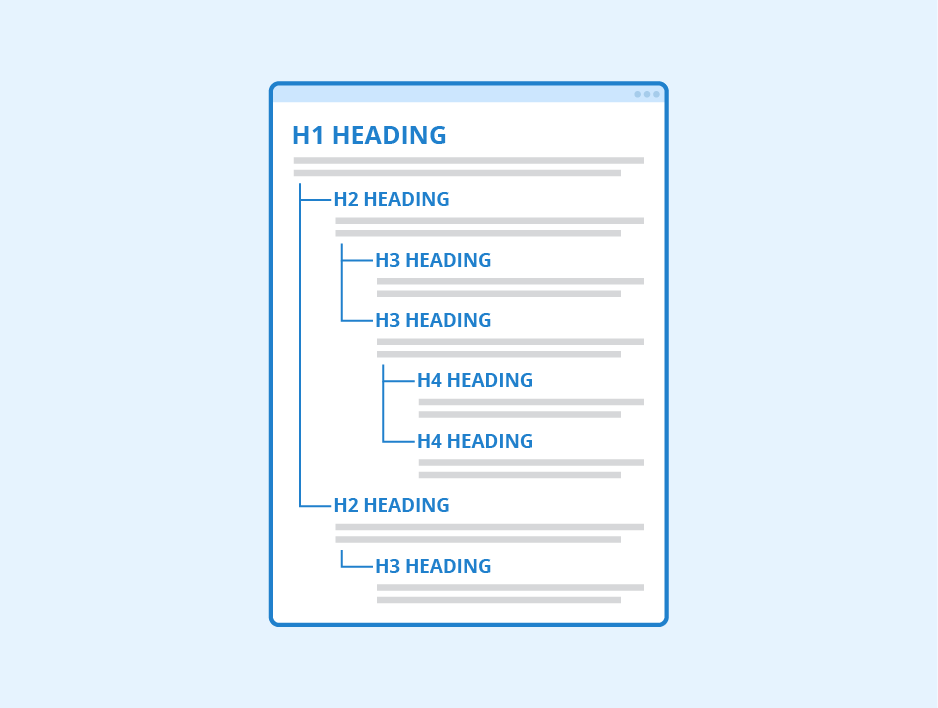
That is why your blog should be easy on the eyes. Use short paragraphs. Use headings. Use bullet points. Add bold text for key ideas. Keep sentences simple.
Try this layout:
- One main idea per paragraph
- Headings every few sections
- Lists for steps or tips
- Images when they help explain
- Simple words whenever possible
Readable content keeps people around longer. That can help your SEO. It also makes your blog feel friendly.
Use Internal Links Like Little Bridges
An internal link is a link from one post on your blog to another post on your blog. These links are tiny bridges. They help readers explore more. They also help search engines understand your site.
For example, if you write a post about healthy breakfasts, link to your post about meal planning. If you write about saving money, link to your post about budgeting apps.
Use simple link text. Instead of writing click here, write something clear like easy meal planning tips. This tells readers what they will get.
Get Links From Other Websites
Links from other websites are called backlinks. They are like votes of trust. If good websites link to your blog, search engines may see your blog as more useful.
You can earn backlinks by creating content people want to share. Try these ideas:
- Write original guides
- Create helpful checklists
- Share personal case studies
- Interview experts
- Publish useful statistics
- Make simple templates
You can also reach out to other bloggers. Be polite. Be human. Do not send spammy messages that sound like they were written by a sleepy robot.
Say something nice. Explain why your post may help their readers. Keep it short.
Do Not Ignore Meta Descriptions
A meta description is the short text that may show under your title in search results. It does not always appear. But when it does, it can help people decide to click.
A good meta description is short and clear. It tells readers what they will learn.
Example:
Learn simple SEO tips to help more people find your blog. Includes keyword ideas, title tips, links, and easy writing advice for beginners.
That is much better than:
This article is about SEO and blogs and visitors and things.
Be clear. Be useful. Be a tiny billboard for your post.
Make Your Blog Fast
Nobody likes waiting. Not in line. Not for pizza. Not for a website.
If your blog loads slowly, readers may leave before your page appears. Search engines notice this. A fast blog can help your SEO and your readers.
To speed up your blog:
- Compress large images
- Use a simple theme
- Remove plugins you do not need
- Choose good hosting
- Limit giant videos and scripts
Speed feels boring until it costs you traffic. Then it becomes very exciting.
Make It Work on Phones
Many people read blogs on phones. They read while waiting for coffee. They read on buses. They read while pretending not to watch their cat knock things over.
Your blog must look good on small screens. Text should be easy to read. Buttons should be easy to tap. Images should fit. Menus should work.
If your site is painful on mobile, visitors will bounce away. Make the phone experience smooth.
Use Images the Smart Way
Images make posts more fun. They also explain ideas quickly. But images should support the content. They should not just sit there looking pretty and doing nothing.
Use images for:
- Step by step examples
- Charts
- Screenshots
- Infographics
- Before and after views
Also add alt text. Alt text describes the image for screen readers and search engines. Keep it simple. If the image shows a content calendar, say that.
Update Old Posts
Your old posts are not dusty museum pieces. They can still work for you.
Go back and refresh them. Add new facts. Fix broken links. Improve titles. Add better examples. Update old screenshots. Make weak sections stronger.
This can bring old content back to life. It is like giving your blog post a fresh haircut and a pep talk.
Track What Is Working
SEO without tracking is like throwing spaghetti in the dark. You might hit the wall. You might hit your own shoe.
Use analytics to see what happens. Watch which posts get search traffic. Look at what keywords bring visitors. See how long people stay. Notice which posts lead to clicks, signups, or sales.
You do not need to obsess every day. Check regularly. Learn. Adjust. Repeat.
Useful things to track include:
- Organic search traffic
- Top pages
- Search queries
- Click through rate
- Average position
- Bounce rate
Be Patient and Keep Going
SEO takes time. It is not instant noodles. It is soup that simmers. At first, not much may happen. Then slowly, search engines understand your blog. Readers start to arrive. Some posts may grow for months or even years.
The best SEO plan is simple:
- Pick a real topic people search for.
- Write the most helpful post you can.
- Make it easy to read.
- Use keywords in natural places.
- Add useful links.
- Keep the page fast.
- Update it later.
Do this again and again. That is how blogs grow.
Final Thoughts
SEO is not about tricking search engines. It is about helping readers find the answers they already want. When your blog is clear, useful, fast, and friendly, search engines have more reasons to show it.
Start small. Fix one title. Improve one post. Add one internal link. Write one helpful guide. Little actions stack up.
Your blog does not need to shout. It just needs to be easy to find, easy to read, and worth visiting. Do that, and SEO can become your best traffic buddy.

Comments are closed, but trackbacks and pingbacks are open.