
Searching for an ecommerce marketing agency near me can feel like looking for a tiny sock in a giant laundry pile. Everyone says they are the best. Everyone has shiny websites. Everyone promises more sales. But you need more than glitter. You need a team that understands your store, your customers, your budget, and your goals.
TLDR: The best ecommerce marketing agency is not always the closest one. It is the one that understands your products, your customers, and your growth goals. Look for clear proof, simple pricing, strong communication, and real ecommerce experience. Pick a partner, not just a vendor.
Why “Near Me” Still Matters
Yes, we live online. Your store is online. Your ads are online. Your customers may be across the country or across the world.
So why search for an agency near you?
Because local can be useful. A nearby agency may understand your market better. They may know local trends. They may know your competitors. You can also meet them in person if needed. That can build trust fast.
But here is the twist. Do not choose an agency only because it is close. That is like buying shoes because they are near the door. They still need to fit.
The right agency should be close to your business needs, not just your zip code.

What Does an Ecommerce Marketing Agency Do?
An ecommerce marketing agency helps online stores get more visitors, more buyers, and more repeat customers. Simple, right?
But the actual work can include many things:
- Paid ads on Google, Meta, TikTok, Pinterest, and more.
- SEO to help your store show up in search results.
- Email marketing to bring customers back.
- SMS marketing for quick offers and updates.
- Conversion rate optimization to turn more visitors into buyers.
- Product page improvements so shoppers feel ready to buy.
- Content marketing like blogs, guides, and videos.
- Analytics and reporting so you know what is working.
A good agency does not just “run ads.” That is too small. A good agency looks at the whole shopping journey.
They ask questions like:
- Who is your ideal customer?
- Why do people buy from you?
- Where do shoppers drop off?
- Which products have the best margins?
- How can we make each order more valuable?
That is where the magic lives.
Step 1: Know What You Need First
Before you contact agencies, pause. Take a breath. Maybe sip coffee. Maybe do a tiny victory dance because you are being organized.
Then write down what you need help with.
Are you getting traffic but no sales? You may need conversion help. Are sales okay but expensive? You may need better ad management. Are customers buying once and disappearing forever? You may need email and retention marketing.
Here are common ecommerce goals:
- Increase monthly revenue.
- Lower ad costs.
- Improve search rankings.
- Grow email subscribers.
- Boost repeat purchases.
- Launch a new product.
- Enter a new market.
- Fix weak product pages.
Pick your top three. This helps you avoid vague talks. “We need growth” is not enough. Everyone wants growth. Even houseplants.
Step 2: Check Their Ecommerce Experience
Ecommerce is not the same as normal marketing. It has carts, checkout pages, product feeds, returns, shipping, reviews, and tiny customer doubts.
Your agency should know this world well.
Ask direct questions:
- Have you worked with stores like mine?
- Which ecommerce platforms do you know?
- Do you understand product feeds and shopping ads?
- Can you improve product pages?
- How do you track revenue and return on ad spend?
If they only talk about likes, impressions, and “brand vibes,” be careful. Those things can matter. But ecommerce needs sales numbers too.
You want an agency that loves data. Not in a boring robot way. More like a treasure map way. Data shows where the money is hiding.
Step 3: Look for Proof, Not Just Promises
Talk is easy. Results are harder.
A strong agency should show proof. This can include case studies, client reviews, sample reports, or before and after examples.
Look for details. “We helped a store grow” is weak. “We increased email revenue by 38% in six months” is stronger.
Good proof may include:
- Revenue growth.
- Better conversion rates.
- Lower cost per purchase.
- Higher average order value.
- More repeat customers.
- Better search rankings.
Also check if the results match your situation. A giant fashion brand is not the same as a small handmade soap shop. Both are cool. But they need different tactics.
Step 4: Understand Their Strategy
A good agency should not offer a random bag of tricks. You do not need marketing confetti. You need a plan.
Ask them how they would approach your store.
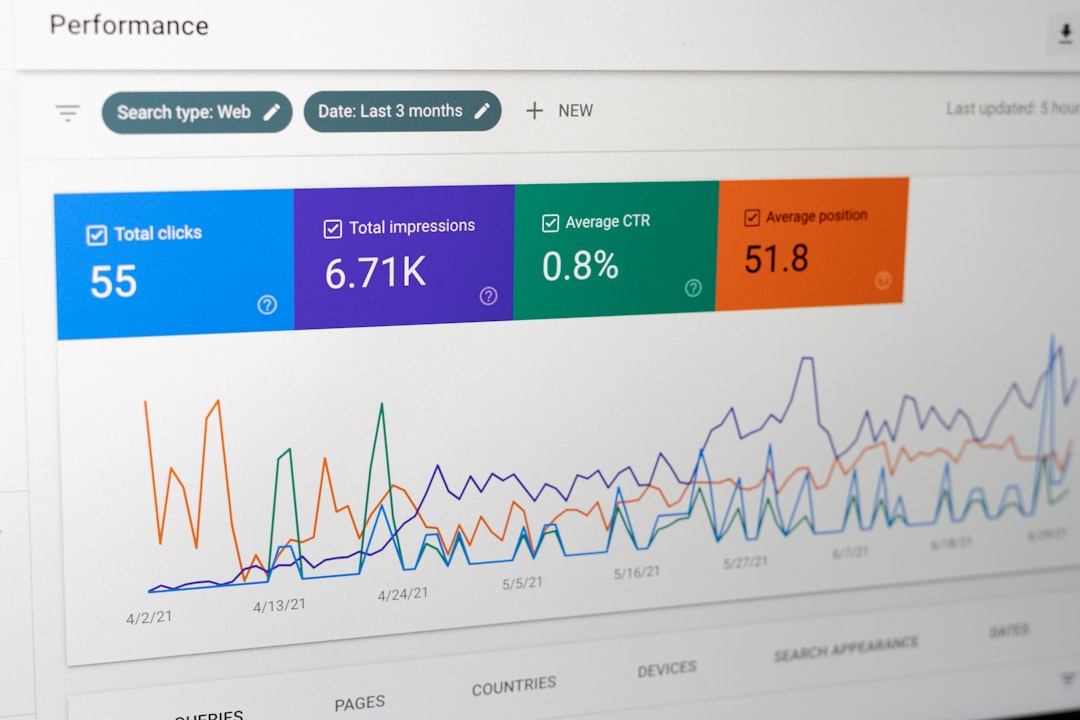
They should talk about research first. They may review your website, ads, emails, analytics, competitors, and customer behavior. Then they should build a strategy.
A simple ecommerce strategy may include:
- Audit the current store and marketing.
- Find leaks in the customer journey.
- Create campaigns for traffic and sales.
- Improve pages to increase conversions.
- Set up tracking to measure results.
- Test and improve every month.
Testing is very important. Ecommerce marketing is not “set it and forget it.” It is more like cooking soup. You taste it. You adjust it. You add spice. You do not walk away for three months and hope for soup greatness.
Step 5: Ask About Communication
This is huge. Big. Massive. Like a shopping cart full of pumpkins.
You need to know how the agency communicates.
Ask:
- Who will be my main contact?
- How often will we meet?
- Will I get monthly reports?
- Can I ask questions between meetings?
- How fast do you usually respond?
- What happens if results drop?
The best agencies explain things in plain language. They do not hide behind buzzwords. If they say “full funnel omnichannel synergy activation” and you feel dizzy, ask them to explain. If they cannot, that is a red flag.
You should feel informed. Not confused. Not ignored. Not like your money went into a black hole with a logo.
Step 6: Review Pricing Carefully
Agency pricing can vary a lot. Some charge a flat monthly fee. Some charge a percentage of ad spend. Some charge based on performance. Some use a mix.
There is no perfect pricing model. But it should be clear.
Ask for:
- A list of services included.
- Any setup fees.
- Contract length.
- Ad spend requirements.
- Extra costs for tools or creative work.
- Cancellation terms.
Be careful with prices that seem too low. Cheap can become expensive if the work is weak. Also be careful with prices that seem fancy for no reason. Expensive does not always mean better.
Think about value. If an agency costs $4,000 per month but helps you earn $30,000 more, that can be great. If an agency costs $500 but does nothing, that is just a sad subscription.
Step 7: Check Their Tech Skills
Ecommerce marketing needs tools. Lots of tools. Not scary tools. Helpful tools.
Your agency should understand things like:
- Analytics platforms.
- Ad managers.
- Email platforms.
- SMS tools.
- Product feeds.
- Tracking pixels.
- Tag management.
- A/B testing tools.
Tracking is especially important. If tracking is broken, decisions become guesses. And guessing with ad money is not fun. It is like throwing coins into a fountain and calling it a strategy.
The agency should be able to track purchases, revenue, customer value, and campaign performance. They should also understand privacy changes and attribution limits.
Step 8: Study Their Creative Skills
Numbers matter. But creative matters too.
Your ads need good images, videos, headlines, and offers. Your emails need strong subject lines. Your product pages need clear messages. Your brand needs a voice.
Ask to see examples of creative work. Look for variety. Do all their ads look the same? Do they understand different customer emotions? Do they know how to show product benefits quickly?
Good creative is not always fancy. Sometimes simple wins. A clear product photo. A short benefit. A real customer review. Boom. Sale.

Step 9: Watch for Red Flags
Some agencies are amazing. Some are not. Your job is to spot trouble early.
Here are warning signs:
- They promise instant results.
- They guarantee exact revenue numbers.
- They avoid questions about reporting.
- They cannot explain their process.
- They push long contracts too fast.
- They talk only about traffic, not sales.
- They have no ecommerce examples.
- They make you feel silly for asking questions.
No agency controls everything. They cannot control the economy, competitors, shipping delays, product quality, or every customer mood. So be careful with huge promises.
A trustworthy agency is honest. They will say what they can do. They will also say what they cannot promise.
Step 10: Compare Local and Remote Agencies
When you search “ecommerce marketing agency near me,” you will find local options. Great. Add them to your list.
But also compare them with remote agencies. You may find a better fit outside your area. Remote teams can still be excellent. They can meet by video. They can share reports. They can manage campaigns from anywhere.
Use this simple rule:
Choose local if face to face meetings, local market knowledge, or regional connections are important.
Choose remote if specialized ecommerce experience, industry knowledge, or better service quality matters more.
In many cases, the best choice is the agency with the strongest fit. Not the shortest drive.
Questions to Ask Before You Sign
Use this list on your discovery calls. It will make you sound prepared. Maybe even a little dangerous. In a good way.
- What ecommerce brands have you worked with?
- What channels would you recommend for us?
- How soon should we expect useful data?
- How do you measure success?
- What reports will we receive?
- Who creates ad copy and visuals?
- How do you test campaigns?
- What do you need from our team?
- How do you handle poor performance?
- What makes your agency different?
Listen to how they answer. Clear answers are good. Confusing answers are not. If they dodge simple questions, imagine how they will act after you pay.
How to Make the Final Choice
After your calls, compare each agency using a simple scorecard.
Rate them from 1 to 5 on:
- Ecommerce experience.
- Proof of results.
- Strategy quality.
- Communication style.
- Pricing clarity.
- Creative ability.
- Tech skills.
- Overall trust.
Then look at the winner. But also trust your gut. If an agency scores well but feels pushy, pause. If another agency explains things clearly and understands your store, that matters.
You are not just buying tasks. You are choosing a growth partner. You will share numbers, ideas, problems, wins, and maybe a few “why are sales weird today?” moments. Pick people you can work with.
Final Thoughts
Finding the right ecommerce marketing agency near me does not have to be stressful. Start with your goals. Ask smart questions. Look for proof. Demand clear communication. And never choose based only on location.
The best agency will make your business feel less chaotic. They will bring structure. They will bring ideas. They will help you understand what is working and what needs fixing.
Most of all, they will treat your store like a real business, not just another account. That is the sweet spot.
So go ahead. Search locally. Explore widely. Compare carefully. Then choose the agency that helps your ecommerce store grow with confidence, clarity, and maybe a little sparkle.

Comments are closed, but trackbacks and pingbacks are open.