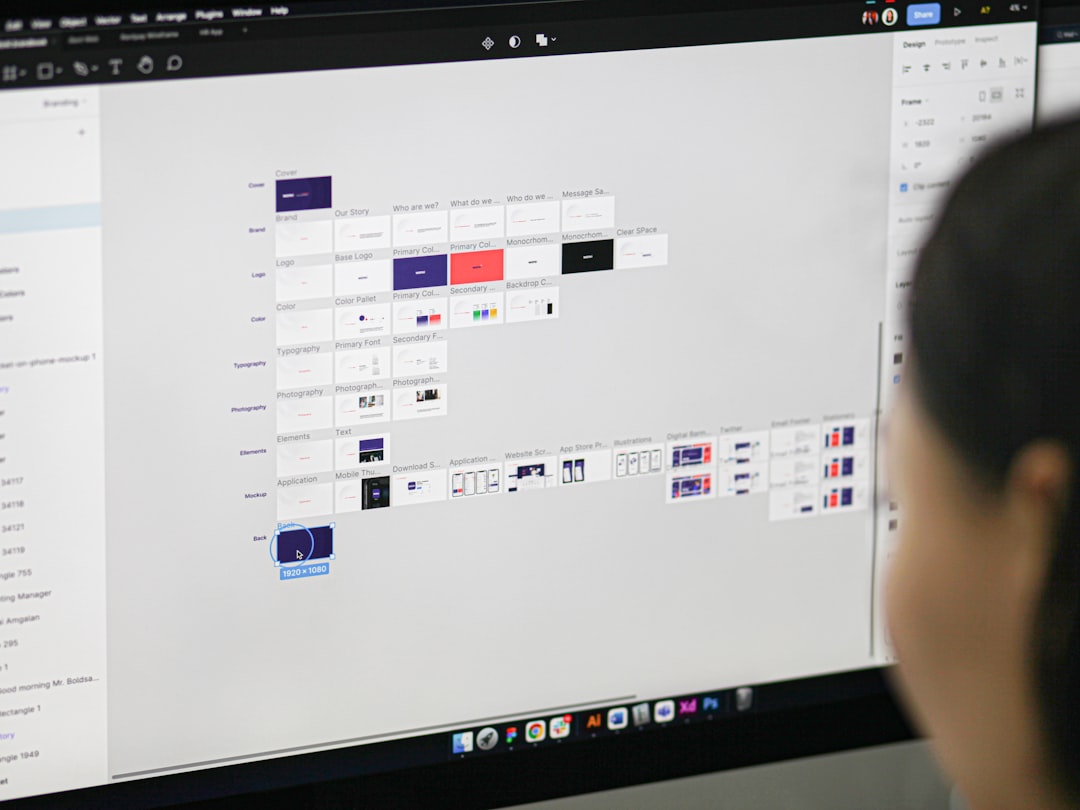

AI website builders have moved far beyond “type a prompt and get a homepage.” In 2026, the best platforms can generate brand systems, conversion-focused landing pages, product sections, copy variants, SEO foundations, responsive layouts, and even basic analytics recommendations in minutes. The real difference is no longer whether a tool can create a website, but whether it can create a site that feels strategic, editable, fast, and ready to grow with your business.
TLDR: The best AI website and landing page generators in 2026 combine fast site creation with strong editing control, responsive design, SEO support, and conversion features. Wix AI, Framer, Webflow, Squarespace, Shopify, Durable, Hostinger, Dorik, Unbounce, and Leadpages are among the most useful options depending on your goal. For full websites, choose tools with strong CMS and design flexibility; for campaigns, choose landing page platforms with testing, forms, and conversion analytics.
What Makes a Great AI Website Generator in 2026?
The strongest AI website generators now act like a mix of designer, copywriter, brand strategist, and front-end assistant. A good tool should ask smart questions about your audience, offer layout options that match your industry, write useful starter copy, and let you revise everything without fighting the editor.
When comparing platforms, look for these essentials:
- Prompt quality: The better the intake questions, the more relevant the generated site.
- Design flexibility: You should be able to edit sections, colors, typography, and spacing easily.
- Mobile responsiveness: The site should look polished on phones without hours of manual fixing.
- SEO tools: AI-generated pages still need metadata, headings, structured content, and performance optimization.
- Conversion features: Forms, buttons, analytics, A/B testing, and integrations matter for landing pages.
- Scalability: A quick homepage is nice, but a platform should also support blogs, pages, products, or campaigns later.
1. Wix AI: Best All-Around AI Website Builder
Wix AI remains one of the most accessible choices for small businesses, freelancers, restaurants, consultants, and local service providers. Its biggest advantage is that it balances automation with a familiar drag-and-drop editor. You can describe your business, choose preferences, and receive a structured website with copy, imagery suggestions, page sections, and built-in business features.
Wix is especially useful for users who want more than a landing page. It can support bookings, blogs, portfolios, online stores, events, forms, and customer communication. The AI tools help generate text, suggest layouts, and speed up routine tasks, while the editor gives non-technical users enough freedom to refine the final result.
Best for: small business websites, portfolios, service pages, local brands, and entrepreneurs who want an all-in-one platform.
2. Framer: Best for Modern, Design-Led Websites
Framer has become a favorite for startups, creators, SaaS companies, and teams that want sleek, interactive websites. Its AI website generation is fast, but the main appeal is the quality of the visual output. Framer sites often feel more contemporary and polished than traditional template-based builders, with smooth animations, flexible layouts, and responsive design tools.
In 2026, Framer is particularly strong for landing pages, product pages, waitlists, and startup homepages. It is not always the simplest option for absolute beginners, but it rewards users who care about brand presentation and want a site that feels custom without building from scratch.
Best for: SaaS landing pages, product launches, personal brands, creative studios, and tech startups.
3. Webflow AI: Best for Professional Control
Webflow is ideal for designers, agencies, and growth-focused businesses that need more control than typical AI builders provide. Its AI features can help with content generation, component creation, layout ideas, and workflow efficiency, but the real strength is Webflow’s professional-grade design system and CMS.
If you care about structured content, reusable components, advanced interactions, and clean visual control, Webflow is one of the strongest choices. It has a steeper learning curve than beginner-friendly platforms, but it is powerful for businesses that expect their website to become a serious marketing asset rather than a quick online brochure.
Best for: agencies, content-heavy sites, B2B companies, high-end marketing websites, and teams that need design precision.
4. Squarespace Blueprint AI: Best for Beautiful Simple Sites
Squarespace continues to shine when the goal is a refined, elegant website without too much complexity. Its AI-assisted setup can help users define site structure, generate starter copy, and choose a visual direction. The result is typically clean, stylish, and easy to manage.
Squarespace is especially appealing to photographers, coaches, boutique shops, wellness brands, writers, and service professionals. It may not offer the deepest AI automation or the most advanced conversion testing, but it produces consistently attractive websites and keeps the editing experience calm and organized.
Best for: portfolios, personal websites, boutique businesses, creators, and service-based brands.
5. Shopify Magic: Best for AI Ecommerce Websites
For ecommerce, Shopify Magic is one of the most practical AI toolsets available. While Shopify is not simply a “generate a whole website from one sentence” platform in the same way as some site builders, its AI features are extremely useful for store owners. It can help write product descriptions, improve email content, generate FAQs, summarize customer segments, and speed up store management.
In 2026, Shopify remains the best option for serious online selling because of its payment tools, inventory management, app ecosystem, shipping features, and ecommerce analytics. AI adds a layer of speed, but the commerce infrastructure is what makes it powerful.
Best for: online stores, product brands, dropshipping businesses, creators selling merchandise, and growing ecommerce teams.
6. Durable: Best for Fast Small Business Websites
Durable is designed for speed. It can generate a simple business website in a very short time, including page structure, copy, images, and contact sections. For local service businesses that need to get online quickly, it is one of the most convenient options.
The tradeoff is that Durable may not provide the same design depth or advanced customization as Webflow or Framer. However, not every business needs a complex website. A plumber, cleaner, consultant, landscaper, or handyman may simply need a credible web presence, a clear offer, and an easy way for customers to get in touch. Durable serves that market well.
Best for: local services, solo operators, appointment-based businesses, and users who value speed over deep customization.
7. Hostinger Website Builder: Best Budget-Friendly AI Builder
Hostinger Website Builder is a strong choice for users who want AI assistance at an affordable price. It offers tools for generating websites, copy, logos, page sections, and heatmap-style insights. The platform is beginner-friendly and combines hosting with simple editing, making it attractive for first-time website owners.
It is not necessarily the platform for complex editorial sites or highly customized brand experiences, but it delivers strong value. For small businesses, side projects, blogs, and basic landing pages, Hostinger provides enough AI support to move from idea to launch without requiring a large budget.
Best for: budget-conscious users, simple business sites, personal projects, blogs, and basic landing pages.
8. Dorik AI: Best for No-Code Simplicity
Dorik AI has earned attention as a lightweight, no-code AI website generator that can produce clean landing pages and simple websites quickly. It is particularly good for users who want a straightforward experience without the heavier toolsets found in professional design platforms.
Dorik is useful for newsletters, creator pages, SaaS concepts, directories, and small business websites. Its interface is approachable, and its AI generation can provide a strong first draft. For users who want a good-looking website without hiring a designer or learning a complex builder, Dorik is a practical option.
Best for: creators, startups validating ideas, simple landing pages, newsletters, and no-code users.
9. Unbounce: Best AI Landing Page Generator for Conversions
Unbounce is one of the strongest platforms for marketers who care about conversion rates. Its AI-powered landing page tools are built around campaign performance rather than general website creation. That means you get features such as smart copy assistance, audience targeting, A/B testing, popups, forms, and optimization tools.
Unbounce is especially valuable for paid advertising campaigns because landing pages often need to be tested and adjusted quickly. Instead of building a full website, marketers can create focused pages for specific offers, audiences, or keywords. The AI features help accelerate copy and layout creation, while the platform’s testing tools help determine what actually works.
Best for: paid ad campaigns, lead generation, marketing teams, agencies, and conversion-focused landing pages.
10. Leadpages: Best for Simple Lead Generation Pages
Leadpages is another excellent choice for landing pages, especially for entrepreneurs, coaches, course creators, and small businesses focused on collecting leads. It offers AI-assisted copy, templates, forms, checkout options, popups, alert bars, and integrations with email marketing platforms.
Compared with some advanced marketing platforms, Leadpages is easier to use and less intimidating. It is ideal when the goal is not to build an entire website ecosystem, but to launch a clear offer: a free guide, webinar registration, consultation booking, waitlist, or product presale.
Best for: lead magnets, webinars, coaching offers, creator funnels, email list growth, and simple campaign pages.
AI Website Builders vs. AI Landing Page Generators
Although the terms are often used together, they serve different purposes. An AI website builder is best when you need a complete online presence: homepage, about page, services, blog, contact page, ecommerce, or CMS. An AI landing page generator is best when you need one focused page designed for a specific action, such as signing up, buying, booking, or downloading.
If you are building a brand for the long term, choose a website builder like Wix, Webflow, Squarespace, Framer, Shopify, Hostinger, or Dorik. If you are running ads or testing offers, choose a landing page platform like Unbounce or Leadpages. Many businesses eventually use both: a main website for credibility and separate landing pages for campaigns.
How to Choose the Right Tool
The best AI generator depends on what you are trying to accomplish. Before choosing, ask yourself a few practical questions:
- Do I need a full website or just one campaign page?
- Will I sell products, book appointments, or collect leads?
- How much design control do I want?
- Do I need blogging, CMS, ecommerce, or membership features?
- Will I run paid ads and need A/B testing?
- Can I edit the AI-generated result easily?
For most beginners, Wix AI, Squarespace, or Hostinger will feel easiest. For modern visuals, choose Framer. For professional flexibility, choose Webflow. For ecommerce, choose Shopify. For fast local business sites, consider Durable. For pure landing page performance, look at Unbounce or Leadpages.
Final Thoughts
AI website and landing page generators in 2026 are not replacing good strategy; they are making execution faster. The best results still come from clear positioning, a strong offer, useful content, and thoughtful editing. AI can give you a polished first draft, but your insight into your customers is what turns that draft into a website that earns trust and drives action.
If you want a quick web presence, AI builders can help you launch in a day. If you want a high-performing marketing asset, use AI as a starting point, then refine the message, test the calls to action, improve the visuals, and measure results. The winning tool is the one that helps you move quickly without sacrificing clarity, credibility, or control.

Comments are closed, but trackbacks and pingbacks are open.