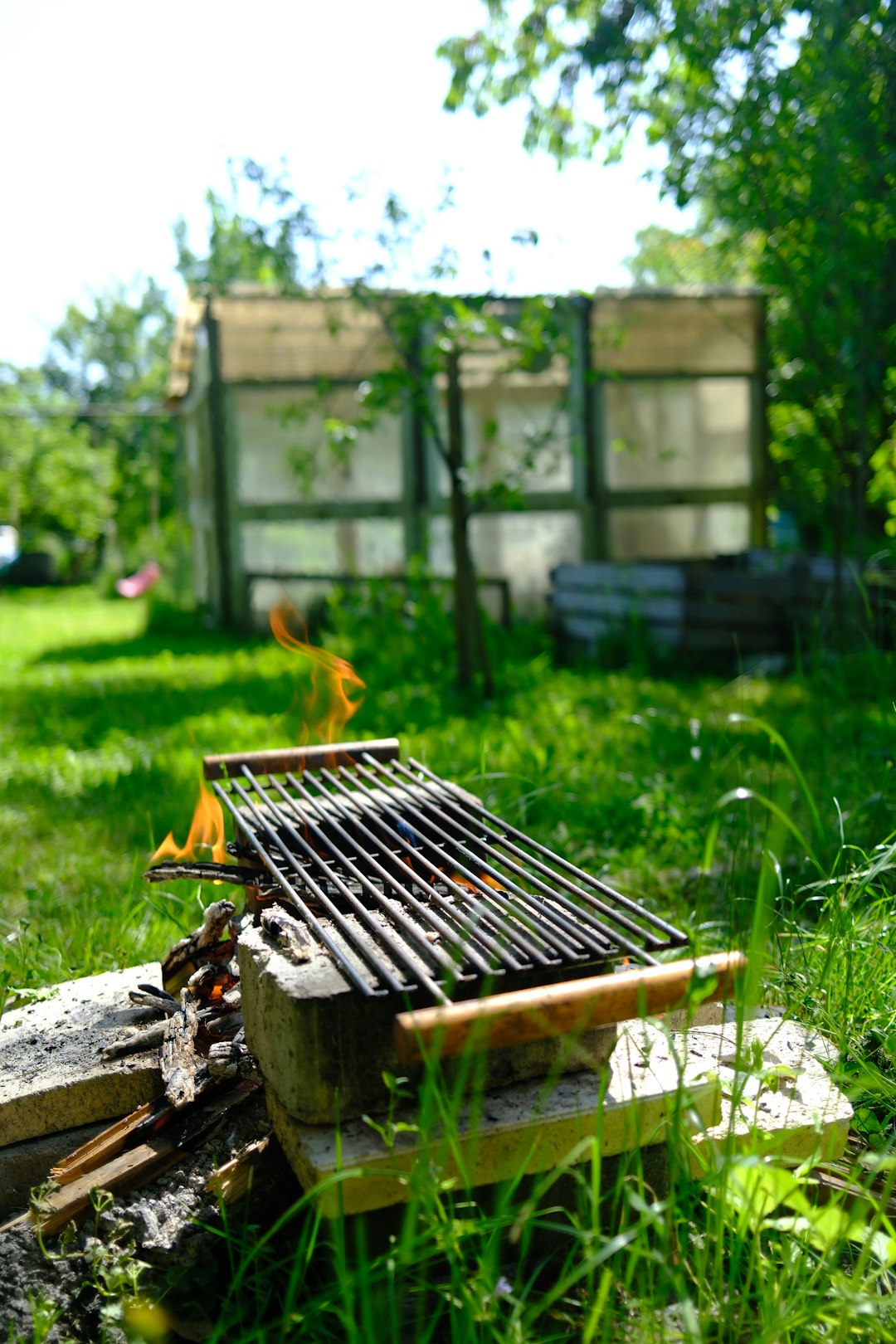

Pizza ovens have moved far beyond the corner pizzeria. Today, home cooks can choose from compact countertop electric models, blazing hot outdoor gas ovens, traditional wood-fired ovens, and hybrid designs that promise restaurant-quality crust in minutes. The best pizza oven for you depends on where you plan to cook, how often you make pizza, what style you love, and how much heat, maintenance, and learning curve you are willing to manage.
TLDR: If you want the easiest option, choose a good electric indoor pizza oven or a gas outdoor oven. If you want smoky flavor and a more hands-on cooking experience, consider wood-fired or multi-fuel models. Look for high heat, strong insulation, a quality stone or baking surface, enough cooking space, and controls that match your skill level. For most buyers, a portable gas or electric oven offers the best balance of performance, convenience, and price.
Why Buy a Dedicated Pizza Oven?
A standard kitchen oven can make decent pizza, especially with a baking steel or stone, but it usually cannot match the intense heat of a dedicated pizza oven. Many modern pizza ovens reach 700°F to 950°F, which is the temperature range needed for fast-baked Neapolitan-style pizza with a puffed, blistered crust and tender center.
The main advantage is speed and texture. At high heat, a pizza can cook in 60 to 120 seconds. The dough rises quickly, the crust chars lightly, the cheese melts without drying out, and toppings retain freshness. Beyond pizza, many ovens can also cook flatbreads, roasted vegetables, steaks, fish, bread, and even desserts.
Types of Pizza Ovens
Before comparing brands or prices, it helps to understand the major categories. Each type has different strengths, limitations, and ideal users.
1. Outdoor Gas Pizza Ovens
Gas pizza ovens are among the most popular choices for home use. They typically run on propane, though some can connect to natural gas. They heat quickly, offer strong temperature control, and are easier to manage than wood-fired ovens.
- Best for: beginners, frequent pizza nights, patios, and backyard entertaining.
- Pros: fast heating, consistent flame, easier cleanup, reliable results.
- Cons: less smoky flavor than wood, outdoor use only, requires fuel tank or gas line.
If you want a practical oven that still reaches serious pizza temperatures, gas is often the safest recommendation. It gives you the thrill of live-fire cooking without demanding constant attention to wood placement and flame behavior.
2. Wood-Fired Pizza Ovens
Wood-fired ovens are the romantic choice. They bring crackling flames, smoky aromas, and a traditional cooking experience. A well-built wood oven can produce extraordinary pizza, but it also requires patience and practice.
- Best for: enthusiasts, traditionalists, outdoor kitchens, and people who enjoy fire management.
- Pros: classic flavor, beautiful experience, very high heat, excellent for roasting and bread.
- Cons: longer setup, more cleanup, less precise temperature control, wood storage needed.
For some cooks, the extra work is part of the pleasure. For others, it becomes a reason the oven sits unused. Be honest about whether you want a hobby or a simple cooking appliance.
3. Multi-Fuel Pizza Ovens
Multi-fuel ovens allow you to cook with gas, wood, charcoal, or a combination depending on the model. They are flexible and appealing to buyers who want convenience on weekdays and wood-fired flavor on weekends.
- Best for: flexible cooks who want options.
- Pros: versatile fuel choices, adaptable cooking style, good long-term value.
- Cons: accessories may cost extra, setup can be more complex, performance varies by fuel.
If you are unsure which fuel type you prefer, a multi-fuel oven can be a smart compromise. Just check whether the gas burner, wood tray, or charcoal attachment is included or sold separately.
4. Indoor Electric Pizza Ovens
Electric pizza ovens have improved dramatically. Some compact models now reach temperatures high enough for impressive Neapolitan-style results, while others are designed for New York-style, frozen pizza, or general baking.
- Best for: apartment dwellers, indoor cooking, year-round use, and buyers who want simplicity.
- Pros: no open flame, easy controls, indoor convenience, no fuel storage.
- Cons: smaller cooking area, limited smoky flavor, high-performance models can be expensive.
For people without outdoor space, an electric oven is the obvious choice. Look for models that specify maximum temperature, preheat time, interior dimensions, and whether they include specialized settings for different pizza styles.
Key Features to Consider
Maximum Temperature
Temperature is one of the most important specifications. For Neapolitan-style pizza, look for an oven that can reach at least 850°F. For New York-style pizza, 600°F to 750°F can be enough. For frozen pizza, reheating, and general use, lower temperatures may still work well.
However, maximum temperature is not the whole story. The oven must also have good heat retention and recovery. If the floor cools too much after one pizza, your second or third pie may come out pale or soggy.
Cooking Surface
Most quality pizza ovens use a cordierite stone, ceramic stone, or baking board. These materials absorb and transfer heat to the dough, helping create a crisp bottom crust. Some ovens use thicker stones for better heat retention, while others prioritize quick preheating.
Consider the size of the cooking surface. A 12-inch oven is compact and easy to manage, but limits pizza size. A 16-inch oven gives you more room to rotate pies, cook larger pizzas, and use pans or cast iron skillets.
Heat Source and Flame Placement
In many outdoor ovens, the flame comes from the back or side. This creates intense radiant heat that cooks the top of the pizza while the stone cooks the bottom. Side-flame ovens can be easier for some users to rotate pizzas, while rear-flame ovens often create a traditional tunnel of heat.
Good airflow matters too. A well-designed oven draws air efficiently, burns fuel cleanly, and distributes heat across the dome. Poor airflow can lead to uneven cooking, soot, or frustrating temperature swings.
Insulation and Build Quality
Insulation affects preheat time, fuel efficiency, safety, and heat consistency. A thin metal oven may heat quickly but lose heat rapidly, especially in cold or windy weather. A better insulated oven usually performs more consistently and uses less fuel over time.
Look for sturdy materials such as powder-coated steel, stainless steel, quality ceramic fiber insulation, and durable stone. The oven should feel stable, not flimsy. Check whether the legs lock securely, the door fits well if included, and the thermometer is easy to read.
Portability
Portable pizza ovens are ideal for small patios, camping, tailgating, and seasonal storage. But portability involves trade-offs. Lighter ovens are easier to move, while heavier ovens usually retain heat better.
Ask yourself where the oven will live. If it will stay on a dedicated outdoor counter, weight is less important. If you need to carry it from a garage to the backyard, handles, folding legs, and compact dimensions become much more valuable.
Choosing by Pizza Style
Different pizza styles require different temperatures and cooking surfaces. Matching the oven to your favorite style will help you avoid disappointment.
- Neapolitan: Needs very high heat, usually 850°F to 950°F, and a fast bake. Choose gas, wood, multi-fuel, or high-end electric.
- New York-style: Works well at moderately high temperatures, around 600°F to 750°F. Many electric and gas ovens can handle it.
- Detroit-style: Baked in a pan, so interior height and temperature control matter more than extreme flame.
- Frozen pizza: Does not require a specialty 900°F oven. A simple electric model or countertop pizza cooker may be enough.
- Flatbreads and artisan breads: Look for good heat retention and enough space for baking pans or loaves.
Budget: What Should You Expect to Spend?
Pizza ovens range from affordable countertop units to premium outdoor installations. A basic electric or compact outdoor model may cost a few hundred dollars, while larger, high-performance ovens can cost significantly more. Built-in masonry or luxury outdoor kitchen models can become major investments.
For most home users, the sweet spot is a mid-range oven with high heat, a reliable stone, decent insulation, and strong user support. Avoid buying purely on the lowest price. A cheap oven that struggles to hold temperature can be more frustrating than fun.
Accessories Worth Buying
A pizza oven is only part of the setup. The right accessories make cooking easier and safer.
- Pizza peel: A wooden peel is great for launching raw dough, while a metal peel is useful for turning and removing pizza.
- Turning peel: A smaller round peel helps rotate pizza quickly in high-heat ovens.
- Infrared thermometer: Essential for checking stone temperature before baking.
- Heat-resistant gloves: Important for handling doors, trays, or fuel attachments.
- Cover: Protects outdoor ovens from rain, dust, and sun exposure.
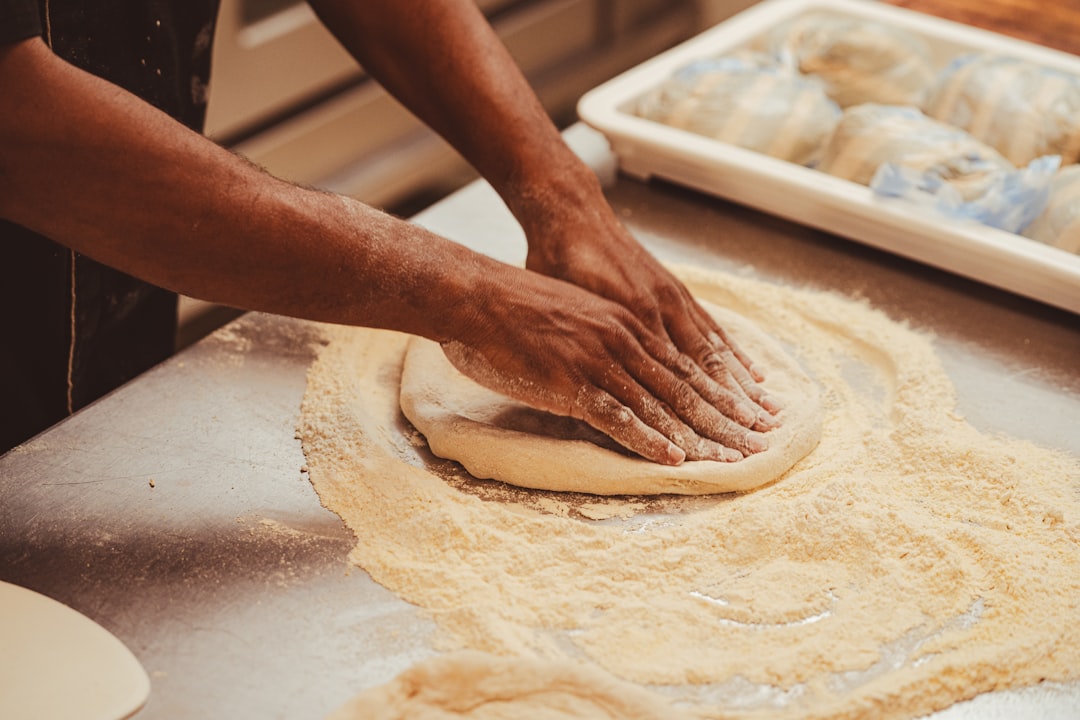
- Dough containers: Useful for proofing and organizing pizza prep.
Common Buying Mistakes
One common mistake is focusing only on maximum temperature. An oven may advertise 950°F, but if the stone cools quickly or the flame is uneven, performance will suffer. Another mistake is buying too small. A 12-inch oven can make excellent pizza, but it leaves little room for turning and experimenting.
Some buyers underestimate the fuel and maintenance involved. Wood ovens need dry hardwood, ash removal, and more cleanup. Gas ovens need propane refills or a safe natural gas connection. Electric ovens are simpler but may require dedicated counter space and careful storage.
Finally, do not ignore your climate. Wind, cold weather, and rain can affect outdoor cooking. If you live in a harsh climate, invest in better insulation, a cover, and a stable cooking station.
Safety Considerations
Pizza ovens get extremely hot, so safety should be part of your buying decision. Outdoor ovens should be used on stable, heat-resistant surfaces with proper clearance from walls, fences, plants, and overhead structures. Never use an outdoor gas or wood oven indoors.
For indoor electric models, check ventilation recommendations, cord length, power requirements, and surface clearance. Keep children and pets away during cooking, and allow the oven to cool fully before moving or cleaning it.
Final Recommendation
If you want the most convenient path to great pizza, choose a gas outdoor pizza oven or a quality indoor electric model. Gas is excellent for backyard cooks who want high heat and fast results. Electric is best for indoor convenience, apartments, and year-round cooking.
If you care deeply about tradition, smoky aroma, and the ritual of live fire, a wood-fired oven can be incredibly rewarding. If you want flexibility, a multi-fuel oven gives you room to experiment. The best pizza oven is not simply the hottest or most expensive one; it is the one that fits your space, cooking style, patience level, and pizza goals.
Choose thoughtfully, learn your dough, preheat properly, and practice rotating your pies. Once you understand your oven, homemade pizza becomes more than dinner—it becomes an event worth gathering around.

Comments are closed, but trackbacks and pingbacks are open.