

Modern organizations depend on reliable, secure, and scalable technology environments to operate efficiently. IT infrastructure management services help businesses plan, monitor, maintain, and improve the systems that support daily operations, from networks and servers to cloud platforms, storage, security tools, and end-user devices.
TLDR: IT infrastructure management services ensure that a company’s technology systems remain stable, secure, and aligned with business goals. These services cover monitoring, maintenance, cybersecurity, cloud management, backup, disaster recovery, and technical support. By using professional infrastructure management, organizations can reduce downtime, control costs, improve performance, and prepare for future growth.
What Are IT Infrastructure Management Services?
IT infrastructure management services refer to the processes, tools, and expertise used to manage an organization’s core technology environment. This includes physical hardware, virtual systems, networks, software platforms, cloud resources, databases, storage, and support services.
The goal is to keep IT systems available, efficient, secure, and cost-effective. Instead of reacting only when problems occur, infrastructure management focuses on proactive monitoring, preventive maintenance, and continuous optimization.
These services may be handled by an internal IT department, an external managed service provider, or a hybrid model where responsibilities are shared between in-house and outsourced experts.
Core Components of IT Infrastructure
A complete infrastructure management strategy usually covers several important areas:
- Network infrastructure: Routers, switches, firewalls, wireless systems, internet connectivity, and private networks.
- Servers and data centers: Physical servers, virtual machines, operating systems, and hosting environments.
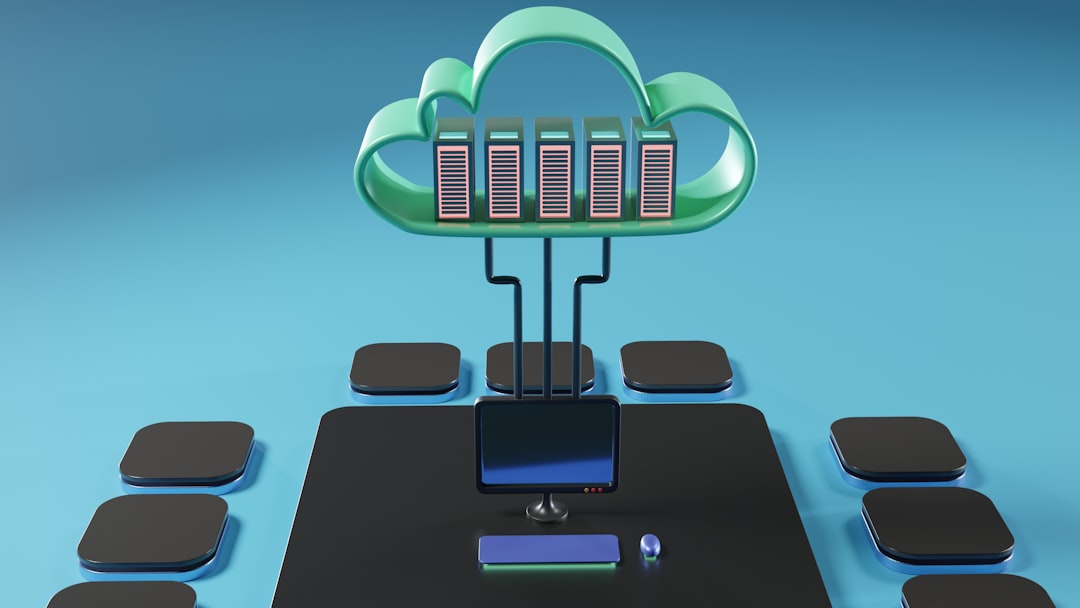
- Cloud infrastructure: Public, private, and hybrid cloud platforms used for applications, storage, and computing power.
- Storage and backup: Data storage systems, backup schedules, replication, and recovery procedures.
- Security systems: Firewalls, endpoint protection, identity management, encryption, and threat detection tools.
- End-user devices: Computers, laptops, mobile devices, printers, and collaboration tools.
- Applications and middleware: Business software, databases, integrations, and supporting platforms.
Key Services Included
IT infrastructure management services can vary depending on the organization’s size, industry, compliance needs, and technology stack. However, most service models include the following functions:
1. Monitoring and Performance Management
Continuous monitoring helps detect issues before they become serious outages. Service teams track server health, network traffic, application performance, storage capacity, response times, and system availability. Alerts are generated when unusual activity, failures, or performance drops occur.
2. Network Management
Network management ensures that employees, customers, and systems can connect securely and reliably. It includes bandwidth optimization, firewall configuration, virtual private network management, wireless performance, and troubleshooting connectivity problems.
3. Server and System Administration
Servers require regular updates, configuration, patching, health checks, and resource planning. Infrastructure teams manage operating systems, virtualization platforms, server backups, user permissions, and workload balancing.
4. Cloud Infrastructure Management
As more organizations move workloads to cloud platforms, cloud management has become essential. This includes resource provisioning, cost monitoring, access control, cloud security, performance tuning, and migration support. Effective cloud management prevents overspending and supports scalability.
5. Cybersecurity Management
Security is a central part of infrastructure management. Providers manage firewalls, endpoint protection, vulnerability scanning, patch management, access controls, and incident response. They also help enforce security policies and maintain compliance with industry standards.
6. Backup and Disaster Recovery
Data loss can disrupt operations and damage trust. Backup and disaster recovery services ensure that critical data is regularly copied, securely stored, and recoverable after system failure, cyberattack, accidental deletion, or natural disaster.
7. Help Desk and Technical Support
Many infrastructure management services include support for users experiencing technical problems. This may involve password resets, software issues, device troubleshooting, remote support, and escalation to specialized engineers when needed.
Benefits of IT Infrastructure Management Services
Professional infrastructure management provides both operational and strategic advantages. The most common benefits include:
- Reduced downtime: Proactive monitoring and maintenance help prevent outages and shorten recovery times.
- Improved security: Regular updates, monitoring, and security controls reduce exposure to cyber threats.
- Cost control: Optimized resources, predictable service models, and better planning help reduce unnecessary spending.
- Scalability: Infrastructure can grow as the organization expands, launches new services, or enters new markets.
- Better productivity: Reliable systems allow employees to work with fewer interruptions.
- Access to expertise: Organizations gain specialized skills without needing to hire every expert internally.
- Compliance support: Managed processes help meet regulatory and industry requirements.

Managed Services vs. In-House Management
Some organizations manage all infrastructure internally, while others work with managed service providers. Each model has advantages.
In-house management gives the organization direct control and deep knowledge of internal systems. It may be suitable for companies with large IT teams, specialized requirements, or strict internal governance policies.
Managed infrastructure services provide external expertise, broader support coverage, and predictable costs. They are often useful for small and medium-sized businesses, fast-growing companies, or organizations that need advanced skills in cloud, security, or networking.
Many modern businesses use a hybrid approach. Internal teams focus on strategy, governance, and business-specific applications, while external providers handle monitoring, maintenance, support, and specialized technical operations.
How to Choose an IT Infrastructure Management Provider
Selecting the right provider requires careful evaluation. A strong provider should understand both technology and business priorities. Important selection criteria include:
- Technical expertise: The provider should have experience with the organization’s platforms, cloud services, networks, and security tools.
- Service level agreements: Clear response times, uptime commitments, and escalation procedures should be documented.
- Security capabilities: The provider should follow strong security practices and offer monitoring, patching, and incident response.
- Scalability: Services should support future growth, new locations, additional users, and expanding workloads.
- Reporting and transparency: Regular reports should show performance, incidents, risks, and improvement recommendations.
- Compliance knowledge: Providers should understand relevant standards for industries such as healthcare, finance, retail, or government.
- Support availability: Organizations may require business-hours support, extended coverage, or 24/7 monitoring.
Best Practices for Effective Infrastructure Management
Successful IT infrastructure management requires more than tools. It depends on disciplined processes, documentation, communication, and continuous improvement.
- Create a complete asset inventory: Every device, server, application, license, and cloud resource should be documented.
- Use proactive monitoring: Systems should be monitored continuously to identify risks early.
- Maintain regular patching: Security and performance updates should be applied according to a structured schedule.
- Test backups and recovery plans: Backups are only useful if recovery procedures work when needed.
- Standardize configurations: Consistent system settings reduce errors and simplify troubleshooting.
- Review capacity and performance: Infrastructure should be evaluated regularly to avoid bottlenecks.
- Align IT with business goals: Infrastructure decisions should support productivity, customer experience, and long-term growth.
Common Challenges
Organizations often face challenges such as aging hardware, fragmented systems, limited budgets, rising cybersecurity threats, and skills shortages. Cloud complexity can also create cost and governance issues if resources are not carefully managed.
Another frequent challenge is poor visibility. Without accurate monitoring and reporting, IT teams may not know where performance problems, security gaps, or capacity limits exist. Effective management services solve this by creating a clear view of the entire environment.
Conclusion
IT infrastructure management services are essential for organizations that rely on technology to operate, compete, and grow. They help maintain reliable systems, protect data, improve performance, and reduce operational risk. Whether delivered internally, externally, or through a hybrid model, strong infrastructure management gives businesses a stable foundation for digital transformation and long-term success.
FAQ
What is included in IT infrastructure management services?
It typically includes network management, server administration, cloud management, cybersecurity, monitoring, backup, disaster recovery, help desk support, and performance optimization.
Why are IT infrastructure management services important?
They keep technology systems secure, reliable, and efficient. This reduces downtime, improves productivity, controls costs, and supports business continuity.
Can small businesses benefit from IT infrastructure management?
Yes. Small businesses often benefit significantly because managed services provide expert support without the cost of building a large internal IT team.
What is the difference between IT infrastructure and IT operations?
IT infrastructure refers to the technology foundation, such as networks, servers, devices, and cloud systems. IT operations involve the daily processes used to run, support, and improve that infrastructure.
How often should infrastructure be reviewed?
Infrastructure should be monitored continuously and reviewed formally at least quarterly. Larger reviews are often performed annually to plan upgrades, budgets, risks, and future capacity needs.

Comments are closed, but trackbacks and pingbacks are open.