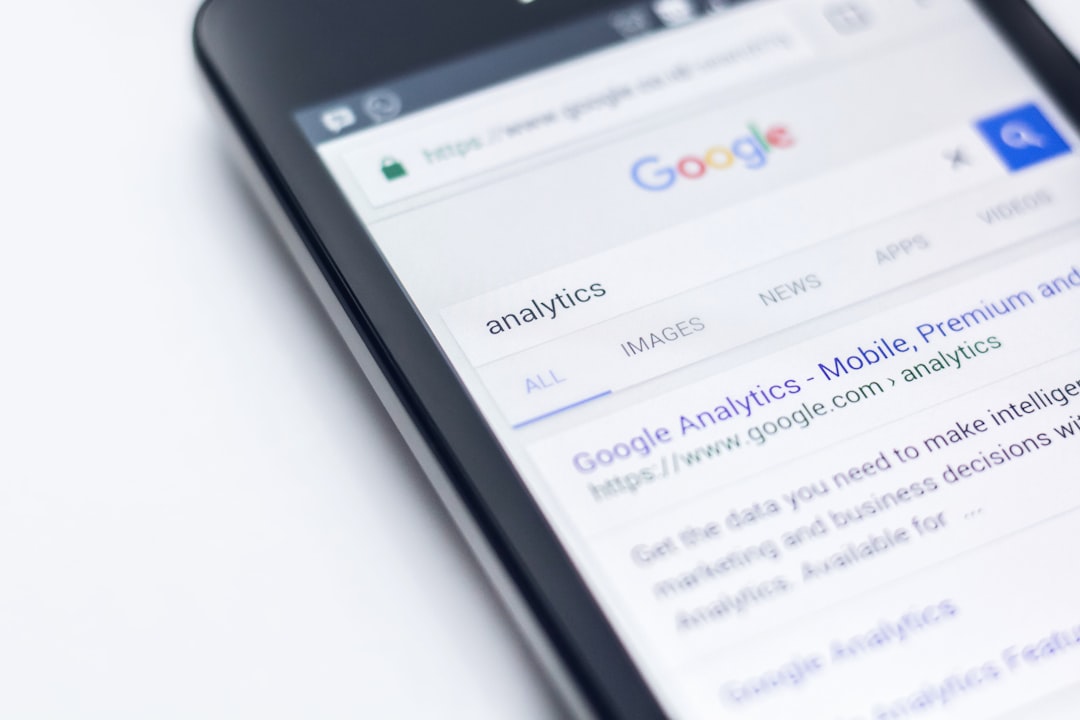

Mobile app visibility is no longer won by launching a product and waiting for users to discover it. With millions of apps competing across the Apple App Store and Google Play, growth depends on a disciplined marketing strategy that combines search visibility, paid acquisition, analytics, retention, and reputation management. The most effective app marketing services help developers and companies turn a strong product into a discoverable, trusted, and profitable mobile experience.
TLDR: The best app marketing services for increasing mobile app visibility include App Store Optimization, paid user acquisition, influencer marketing, public relations, lifecycle messaging, analytics, and review management. A serious growth strategy should not rely on one channel alone, but on a coordinated system that improves discovery, conversion, retention, and credibility. For sustainable results, businesses should choose services based on measurable outcomes such as ranking improvements, cost per install, retention rate, and lifetime value.
Why Mobile App Visibility Requires Specialized Marketing
App marketing is different from general digital marketing because the user journey is shorter, more competitive, and heavily influenced by marketplace algorithms. A potential user may discover an app through a search query, an advertisement, a social media recommendation, or an editorial feature, but the decision to install often happens within seconds. This means every element matters: the app name, icon, screenshots, ratings, reviews, description, keywords, pricing, and perceived trustworthiness.
Specialized app marketing services focus on both discovery and conversion. Discovery helps users find the app. Conversion persuades them to install it. Retention keeps them engaged after installation. A serious visibility strategy must address all three stages, because high install numbers mean little if users quickly uninstall the app or never return.
1. App Store Optimization Services
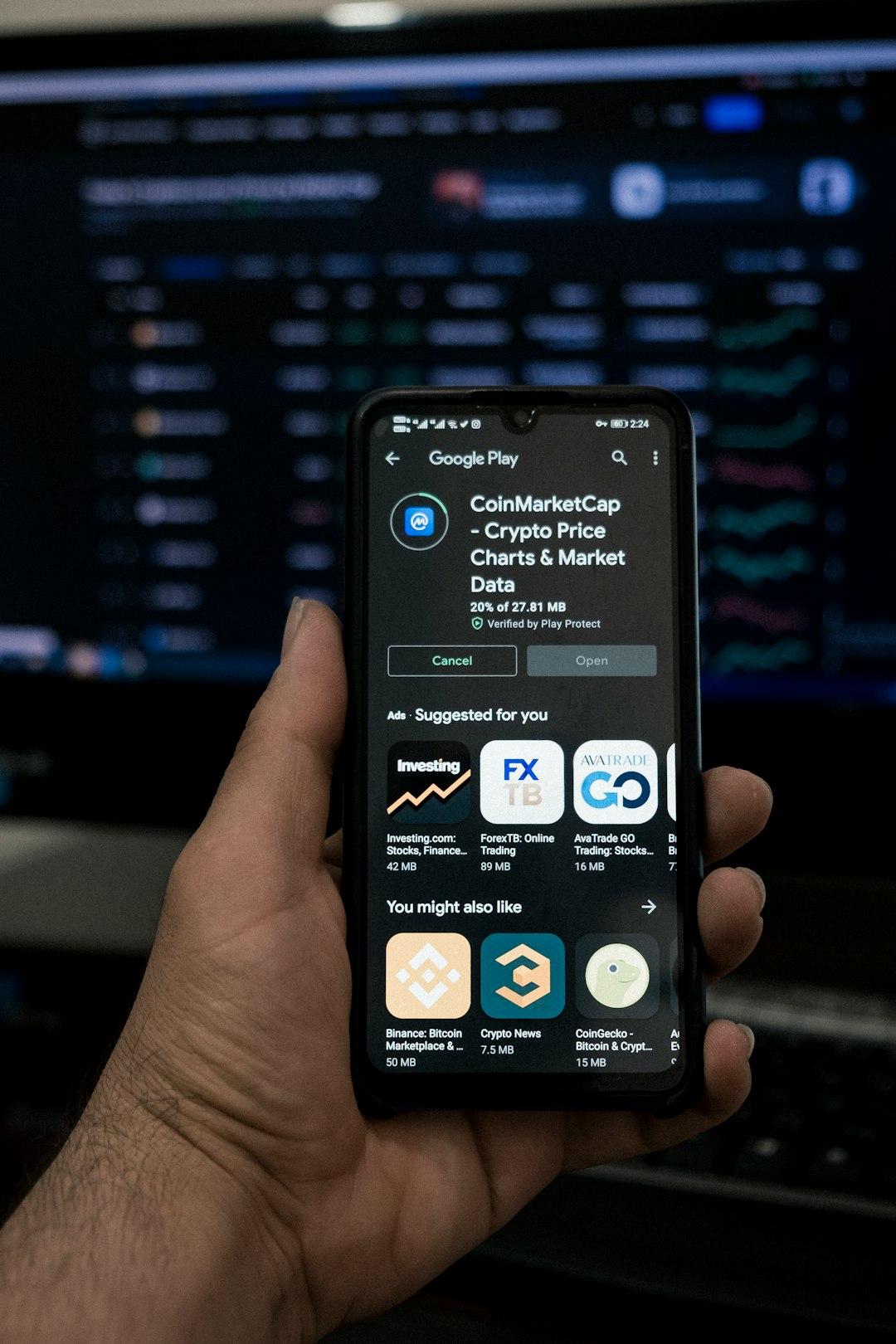
App Store Optimization, often called ASO, is one of the most important services for increasing mobile app visibility. It improves how an app appears and performs in app store search results and category rankings. ASO is often compared to search engine optimization, but it is tailored specifically to the rules and ranking signals of app marketplaces.
A professional ASO service typically includes:
- Keyword research: Identifying search terms that users actually type when looking for apps in your category.
- Metadata optimization: Improving the app title, subtitle, short description, long description, and keyword fields where applicable.
- Creative optimization: Testing app icons, screenshots, preview videos, and feature graphics to improve install conversion rates.
- Competitor analysis: Studying competing apps to understand their rankings, positioning, strengths, and weaknesses.
- Localization: Adapting app store listings for different countries, languages, and cultural expectations.
ASO is valuable because it can produce long-term visibility without paying for every install. However, it is not a one-time task. App store algorithms change, competitors update their listings, and user search behavior evolves. For that reason, serious app publishers treat ASO as an ongoing service supported by testing and performance data.
2. Paid User Acquisition Services
Paid user acquisition helps apps gain visibility quickly by placing ads in front of relevant audiences. This can include campaigns on platforms such as mobile ad networks, social media platforms, search ads, video networks, and in-app advertising exchanges. When managed correctly, paid acquisition can generate rapid installs, collect useful performance data, and support app store ranking momentum.
The most common paid acquisition channels include:
- Apple Search Ads: Useful for reaching users who are actively searching inside the App Store.
- Google App Campaigns: Designed to promote apps across Google Search, Google Play, YouTube, and the display network.
- Meta ads: Effective for audience targeting across Facebook and Instagram.
- TikTok ads: Strong for consumer apps, lifestyle products, games, and visually engaging app experiences.
- Programmatic mobile ads: Useful for scaling campaigns across large networks of apps and mobile websites.
A credible paid acquisition service should focus on more than install volume. It should measure cost per install, cost per registration, retention rate, in-app purchases, and lifetime value. Low-cost installs can be misleading if they come from users who never engage. The strongest agencies and service providers optimize campaigns toward quality users, not just cheap traffic.
3. App Analytics and Attribution Services
Visibility campaigns require accurate measurement. Without analytics and attribution, it is difficult to know which channels are producing valuable users and which are wasting budget. App analytics services help companies understand user behavior after installation, while attribution tools connect installs and actions to specific marketing sources.
Important metrics include:
- Install source: Which campaign, keyword, ad network, or referral generated the install.
- Activation rate: How many users complete an important first action, such as signing up or creating a profile.
- Retention rate: How many users return after one day, seven days, or thirty days.
- Session behavior: How often users open the app and what they do inside it.
- Revenue events: Purchases, subscriptions, upgrades, or other monetization actions.
Professional analytics services also help teams build dashboards, define key performance indicators, and identify friction points in the user journey. This is essential because visibility alone does not guarantee growth. If users install an app and then abandon it, the marketing strategy must be adjusted or the product experience must be improved.
4. Review and Reputation Management
Ratings and reviews have a direct impact on mobile app visibility and conversion. A high average rating can improve trust, increase install rates, and support stronger app store performance. A poor rating, on the other hand, can discourage users even if the app ranks well.
Review management services help companies monitor user feedback, respond professionally, and identify recurring product issues. They may also advise on ethical strategies for encouraging satisfied users to leave ratings. This can include in-app prompts shown at the right moment, such as after a user completes a successful action or reaches a milestone.
Trust is critical. Businesses should avoid fake reviews, review manipulation, or aggressive rating prompts. These practices can damage credibility and may violate app store policies. A serious reputation strategy is based on listening to users, resolving legitimate complaints, and improving the product over time.
5. Influencer and Creator Marketing
Influencer marketing can be a powerful visibility channel, especially for consumer apps, games, wellness apps, financial tools, lifestyle platforms, travel apps, and productivity products. Creators can demonstrate how an app works in real-life situations, making the value proposition easier to understand than through a static advertisement.
Effective influencer marketing services typically handle:
- Creator identification: Finding influencers whose audience matches the target user profile.
- Campaign strategy: Designing content formats such as demos, tutorials, reviews, challenges, or short videos.
- Negotiation and contracting: Managing fees, deliverables, timelines, and usage rights.
- Tracking: Measuring installs, signups, promo code usage, and engagement produced by each creator.
The best influencer campaigns feel credible rather than forced. Users are more likely to respond when creators explain the app’s practical benefits and show genuine usage. For serious brands, transparency is also essential. Sponsored content should be clearly disclosed according to applicable advertising standards.
6. Public Relations and App Launch Services
Public relations can help an app gain visibility through media coverage, industry publications, newsletters, podcasts, launch platforms, and expert commentary. While PR does not guarantee installs, it can create authority and awareness, particularly for apps with a compelling story, innovative technology, strong founder background, or meaningful social impact.
App PR services may include press release writing, journalist outreach, media kit development, launch planning, interview preparation, and award submissions. A well-prepared media kit usually contains the app description, screenshots, logos, founder information, product background, and clear contact details.
PR works best when it is tied to a newsworthy angle. Examples include a major launch, funding announcement, unique feature, market research, partnership, or significant user milestone. Generic announcements rarely attract serious media attention. A trustworthy PR provider will be realistic about what is newsworthy and will not promise guaranteed coverage in reputable publications.
7. Content Marketing for App Discovery
Content marketing supports app visibility outside the app stores. This includes blog articles, guides, comparison pages, videos, case studies, email newsletters, and educational resources. For apps that solve complex problems, content can explain the need, build trust, and bring in users through search engines.
For example, a budgeting app might publish practical guides on managing household expenses. A fitness app might create training plans and nutrition resources. A language learning app might publish study tips and pronunciation guides. In each case, content attracts users who are already interested in the problem the app solves.
Content marketing is especially valuable because it can create a long-term acquisition asset. Unlike paid ads, which stop producing traffic when the budget ends, strong content can continue attracting visitors over time. However, content must be accurate, useful, and aligned with user intent. Thin or generic articles rarely build trust or visibility.
8. Lifecycle Marketing and Retention Services
Increasing visibility is not only about acquiring new users. App stores and advertising platforms increasingly reward apps that demonstrate strong engagement and retention. Lifecycle marketing services help keep users active after installation through thoughtful communication and personalized experiences.
Common lifecycle channels include:
- Push notifications: Timely reminders, updates, and personalized prompts.
- Email campaigns: Onboarding sequences, education, reactivation, and product announcements.
- In-app messages: Contextual guidance, feature introductions, and upgrade prompts.
- Segmentation: Grouping users by behavior, interests, subscription status, or engagement level.
The key is relevance. Poorly timed or excessive notifications can lead to uninstalls. A serious lifecycle marketing provider uses user behavior data to send messages that are helpful, timely, and respectful. The objective is not to interrupt users, but to support them in receiving more value from the app.
9. Social Media Marketing for Mobile Apps
Social media marketing can support visibility by building a community around the app. This is particularly useful for apps that benefit from conversation, sharing, education, or lifestyle positioning. Platforms such as Instagram, TikTok, LinkedIn, YouTube, Reddit, and X can all play different roles depending on the target audience.
A professional social media service should develop a clear content strategy rather than posting randomly. Useful formats may include product demonstrations, user stories, feature highlights, behind-the-scenes updates, educational posts, and short videos showing the app solving real problems. Social content can also be repurposed for paid advertising, influencer campaigns, and app store creative testing.
For business-focused apps, LinkedIn and expert-led content may be more effective than entertainment-driven channels. For consumer apps, short-form video may deliver stronger reach. The right channel depends on where the target users spend time and how they make decisions.
10. Conversion Rate Optimization for App Store Listings
Conversion rate optimization focuses on increasing the percentage of app store visitors who install the app. Even if traffic remains the same, improving conversion can significantly increase total installs. This service often overlaps with ASO, but it deserves separate attention because it directly affects marketing efficiency.
Conversion optimization may include testing different screenshots, rewriting benefit-focused descriptions, improving preview videos, refining the app icon, and adjusting the first few lines of visible text. The goal is to quickly answer the user’s most important questions: What does this app do? Why should I trust it? How will it help me? Is it worth installing now?
For paid campaigns, conversion rate is especially important. If app store pages perform poorly, advertising costs rise because more clicks are needed to generate each install. A strong app listing can make every marketing channel more efficient.
How to Choose the Right App Marketing Services
The best combination of services depends on the app’s stage, category, budget, and goals. A pre-launch app may need positioning, ASO research, landing pages, beta user recruitment, and PR planning. A newly launched app may need paid acquisition, review generation, analytics setup, and conversion testing. A mature app may need international localization, retention campaigns, and advanced revenue optimization.
When evaluating providers, look for evidence of a structured process. Reliable services should be able to explain how they research the market, define success metrics, run tests, report results, and adjust campaigns. Be cautious of providers that promise instant top rankings, guaranteed viral growth, or unrealistically cheap installs. Sustainable app marketing is built on testing, data, and continuous improvement.
Important questions to ask include:
- What metrics will be used to measure success?
- How often will performance reports be provided?
- Which tools will be used for attribution, analytics, and testing?
- How will campaigns be optimized after launch?
- What experience does the provider have in this app category?
Final Thoughts
Increasing mobile app visibility requires more than a single campaign or a polished launch announcement. The strongest strategies combine App Store Optimization, paid acquisition, analytics, reputation management, content, PR, influencer partnerships, and retention marketing. Each service plays a specific role in helping users discover, trust, install, and continue using the app.
For serious app publishers, the priority should be building a measurable growth system. Visibility is valuable only when it attracts the right users and supports long-term engagement. By choosing app marketing services carefully and focusing on reliable performance data, businesses can improve their chances of standing out in a crowded mobile marketplace.

Comments are closed, but trackbacks and pingbacks are open.