

Purchasing a SaaS design tool rarely depends on a single decision maker. In most organizations, the buying process is shaped by a coalition of stakeholders who each evaluate the product through a different lens: creative quality, collaboration, security, cost, workflow fit, and business outcomes. The buyer personas with the most influence tend to be those closest to daily design work, those accountable for results, and those responsible for approving technology investments.
TLDR: The most influential personas in SaaS design tool purchasing are usually design leaders, product leaders, marketing leaders, IT and security teams, and finance or procurement stakeholders. Designers and creative teams often drive initial interest because they understand usability and workflow needs. However, final approval usually depends on whether the tool supports collaboration, governance, security, scalability, and budget requirements. The strongest purchasing decisions happen when creative value and business value are clearly connected.
The Buying Committee Behind SaaS Design Tools
SaaS design tools sit at the intersection of creativity, productivity, and business operations. Because these tools affect brand assets, product interfaces, campaign production, approval workflows, and sometimes customer-facing experiences, several departments usually participate in the evaluation. The buying process may begin with a designer asking for a better workflow, but it often expands to include department heads, technical reviewers, financial approvers, and executive sponsors.
In smaller companies, one founder, head of marketing, or lead designer may make the decision quickly. In mid-market and enterprise organizations, the process is more layered. A tool must satisfy the people who use it every day, the leaders who measure its impact, and the teams that manage risk and cost. Understanding these personas helps SaaS vendors position their product more effectively and helps organizations make better purchasing decisions.
1. Design Leaders: The Primary Champions
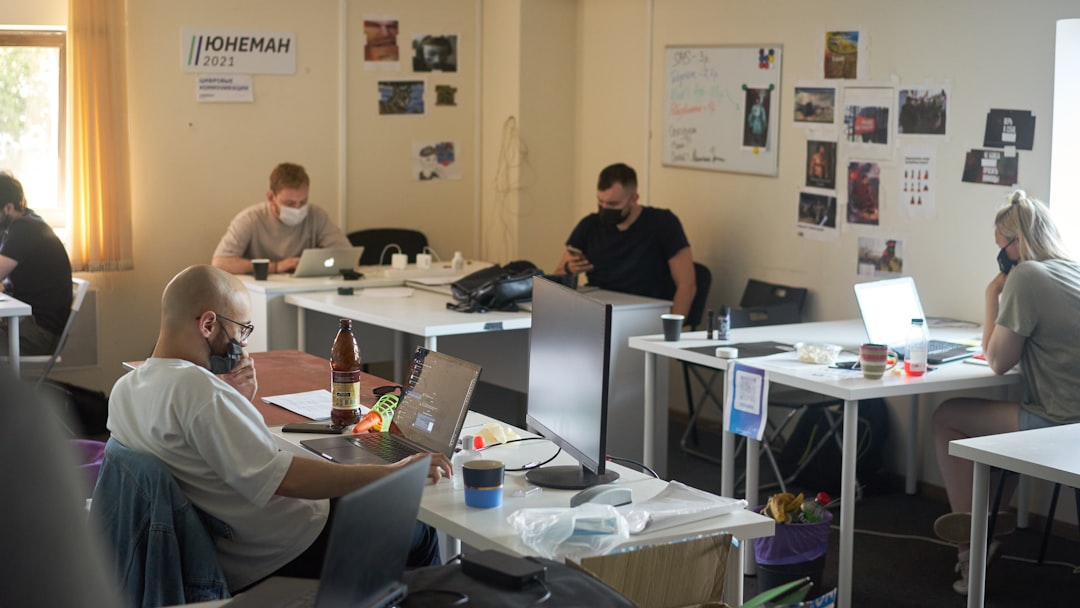
Design leaders, including heads of design, creative directors, design managers, and UX directors, often have the greatest influence over SaaS design tool purchasing. They understand whether a platform will improve creative output, reduce production bottlenecks, and support the team’s design standards.
These personas care about several factors:
- Workflow efficiency: The tool should reduce repetitive tasks and speed up asset creation.
- Creative quality: It must support professional standards, brand consistency, and flexible design execution.
- Collaboration: Teams need commenting, sharing, version control, and approval features.
- Scalability: The platform should work for a growing design team or distributed organization.
- Adoption: Designers must find the tool intuitive enough to use consistently.
Design leaders are often the internal champions who build the case for purchase. They gather feedback from designers, compare competing products, and explain why the tool matters. Their influence is especially strong when the purchase directly affects core design production, brand systems, product design, or creative operations.
2. Designers and Creative Practitioners: The Voice of Daily Use
Although individual designers may not always control the budget, they have significant influence because they are the people who will use the software most frequently. Their opinions can make or break adoption. If a design tool feels slow, restrictive, confusing, or disconnected from existing workflows, designers are likely to resist it.
Creative practitioners typically evaluate tools based on practical experience. They ask whether the platform helps them create assets faster, organize files better, collaborate with colleagues, and maintain quality. They may also compare the product against tools they already know, which makes ease of migration and familiar interaction patterns important.
In many organizations, the designer is the spark that starts the buying journey. A designer may discover a tool, test a free version, share it with teammates, and eventually recommend it to a manager. This bottom-up influence is common in SaaS purchasing, especially when the product offers free trials, templates, or easy team invitations.
3. Product Managers and Product Leaders: The Workflow Strategists
For SaaS design tools used in product development, product managers and product leaders can be highly influential. They care less about artistic flexibility alone and more about how the tool improves the product development lifecycle. Their priority is alignment between design, engineering, research, and business requirements.
Product leaders often look for features such as:
- Shared workspaces for product and design teams
- Commenting and stakeholder review capabilities
- Prototyping or concept validation features
- Integrations with project management and development tools
- Clear handoff processes between design and engineering
When a design tool supports faster iteration, better communication, and fewer misunderstandings between teams, product leaders are more likely to support the purchase. Their influence grows when the tool is positioned as a productivity solution rather than only a creative application.
4. Marketing Leaders: The Brand and Campaign Decision Makers
Marketing directors, brand managers, growth leaders, and content managers strongly influence purchases when the design tool is used for campaign assets, social media graphics, presentations, ads, landing pages, or brand materials. These personas care about speed, consistency, and the ability to produce high volumes of branded content.
Marketing leaders frequently ask whether the tool will help non-designers create approved materials without overwhelming the creative team. They are interested in templates, brand kits, permissions, asset libraries, and approval flows. A design platform that enables marketers to produce on-brand content while still protecting design standards can become especially attractive.
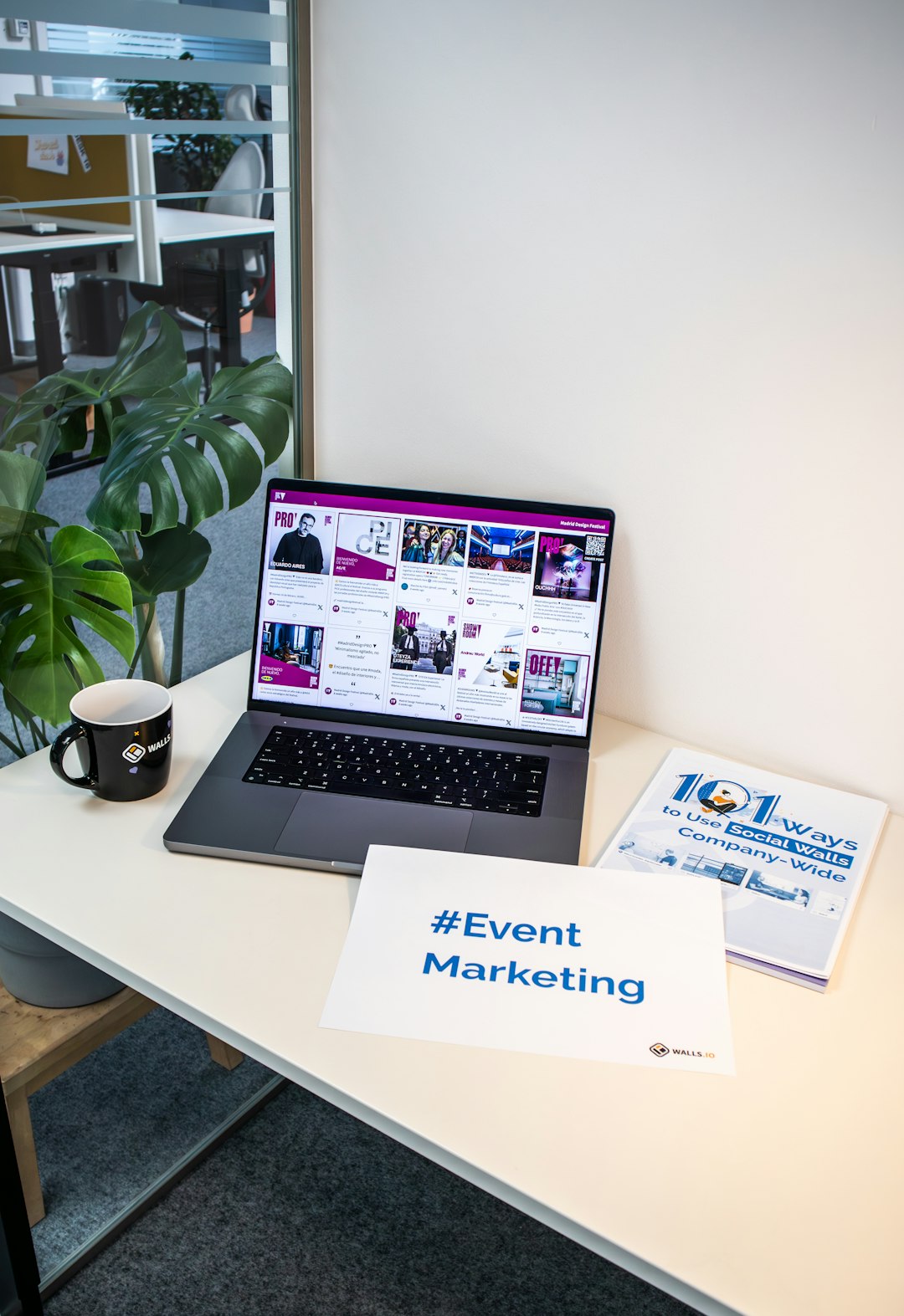
For marketing teams, the value of a SaaS design tool is often measured by output. If campaigns launch faster, content quality improves, and fewer assets require rework, the tool becomes easier to justify. Marketing leaders may not inspect every design feature, but they strongly influence budget approval when the product supports revenue-generating or brand-building activities.
5. IT and Security Teams: The Risk Gatekeepers
As SaaS adoption has grown, IT and security teams have become increasingly important in purchasing decisions. Their role is not usually to judge creative quality. Instead, they assess whether the software is safe, compliant, manageable, and compatible with the organization’s technology environment.
IT and security stakeholders commonly review:
- Data protection: How user data, design files, and company assets are stored and protected.
- Access controls: Whether the platform supports roles, permissions, and identity management.
- Single sign-on: Whether enterprise authentication is available.
- Compliance: Whether the vendor meets relevant standards or contractual requirements.
- Vendor reliability: Uptime, support, incident response, and long-term stability.
In enterprise purchases, IT can delay or block a purchase if security requirements are not met. This makes the IT persona one of the most powerful gatekeepers. Even when design and marketing teams love a tool, the deal may not move forward unless IT approves it.
6. Procurement and Finance: The Budget Controllers
Procurement and finance teams influence SaaS design tool purchasing by examining cost, contract terms, licensing structure, renewal conditions, and expected return on investment. They are less concerned with the emotional appeal of the product and more interested in whether the expense is justified.
These stakeholders often compare pricing tiers, seat usage, overlapping subscriptions, and total cost of ownership. They may ask whether the organization already pays for similar software or whether licenses are being underused. Finance teams also want to understand how the tool improves efficiency, reduces outsourcing costs, shortens production cycles, or supports revenue-related work.
A strong business case can make a major difference. If design leaders can show that the tool reduces hours spent on repetitive work, improves campaign turnaround, or prevents costly brand inconsistencies, procurement and finance teams are more likely to approve the purchase.
7. Executive Sponsors: The Strategic Approvers
For larger contracts, an executive sponsor may be required. This persona could be a chief marketing officer, chief product officer, chief technology officer, chief operating officer, or even a founder. Executives usually do not evaluate every feature. Instead, they determine whether the tool supports broader company priorities.
Executives are influenced by strategic questions:
- Will the platform help the company move faster?
- Will it improve brand consistency or customer experience?
- Will it reduce operational friction across teams?
- Will it scale as the organization grows?
- Will it provide measurable business value?
Executive sponsorship becomes especially important when the tool changes how multiple departments work. If the software is positioned as a company-wide design operations platform, executive support can accelerate adoption and reduce internal resistance.
8. Operations and Creative Operations Teams: The Process Optimizers
In organizations with mature creative departments, creative operations and business operations teams may play a central role. These personas focus on systems, processes, asset governance, project visibility, and resource allocation. They want tools that make work easier to manage, measure, and repeat.
Creative operations teams often care about approval workflows, file organization, template control, reporting, and integration with project management systems. They may also track how long design requests take, how often revisions occur, and where bottlenecks appear. A SaaS design tool that improves operational visibility can win their support, even if they are not the final budget owner.

Which Persona Has the Most Influence?
The answer depends on the company’s size, use case, and buying maturity. In a startup, the most influential persona may be the founder, lead designer, or marketing manager. In a product-led company, design and product leaders are likely to dominate the decision. In a brand-heavy organization, marketing and creative leaders may hold the most sway. In an enterprise, IT, procurement, and executive sponsors become more powerful because the purchase affects risk, compliance, and budget planning.
Overall, design leaders usually influence the product choice the most, while finance, procurement, IT, and executives influence whether the purchase is approved. Designers create demand, design managers validate fit, business leaders connect the tool to outcomes, and operational stakeholders ensure it can be adopted safely and efficiently.
How SaaS Vendors Should Address These Personas
Vendors selling design tools benefit from speaking to each persona in a different way. A single message is rarely enough. Designers need to see usability and creative flexibility. Design leaders need proof of team efficiency and quality. Marketing leaders need brand consistency and campaign speed. IT needs documentation on security and administration. Finance needs a clear return on investment. Executives need strategic value.
The strongest buying experience gives every stakeholder the evidence they need to say yes. That may include product demos, customer stories, security documentation, pricing clarity, onboarding plans, and measurable efficiency claims. When a vendor helps the internal champion persuade the rest of the buying committee, the purchase becomes much easier.
Conclusion
SaaS design tool purchasing is shaped by a network of personas rather than one isolated buyer. The most influential stakeholders are typically design leaders, creative practitioners, product leaders, marketing leaders, IT, procurement, finance, operations, and executive sponsors. Each persona evaluates the tool from a different perspective, and each can either accelerate or slow down the buying process.
The most successful purchasing decisions occur when the tool satisfies both creative needs and business requirements. A platform must be useful for designers, valuable for managers, safe for IT, sensible for finance, and strategically relevant for executives. When those interests align, a SaaS design tool is far more likely to be purchased, adopted, and renewed.
FAQ
Who is usually the main buyer of SaaS design tools?
The main buyer is often a design leader, creative director, marketing leader, or product leader, depending on how the tool will be used. In larger companies, the final buyer may be a department head or executive sponsor.
Do designers make the final purchasing decision?
Designers often influence the decision heavily, but they do not always approve the budget. They usually recommend tools, test usability, and provide feedback, while managers, finance, or executives handle approval.
Why does IT matter in design tool purchasing?
IT matters because SaaS tools may store sensitive files, user data, brand assets, or customer-related information. IT teams review security, access controls, compliance, and integration requirements before approval.
What does finance look for before approving a design tool?
Finance teams look for pricing clarity, license efficiency, contract terms, and return on investment. They want to know whether the tool saves time, reduces costs, or supports measurable business outcomes.
Which persona has the most influence in enterprise purchases?
In enterprise purchases, influence is often shared. Design or marketing leaders may select the preferred tool, but IT, procurement, finance, and executives usually have strong approval power.
How can a company make a better SaaS design tool decision?
A company can make a stronger decision by involving daily users, department leaders, IT, finance, and operations early in the evaluation. This ensures the selected tool is creative, secure, affordable, scalable, and easy to adopt.

Comments are closed.