

Tracking solar panel performance is no longer a “nice to have” feature for renewable energy enthusiasts—it’s essential. Whether you’re a homeowner with a small rooftop setup or managing a large commercial array, detailed monitoring helps you understand energy production, identify inefficiencies, and maximize return on investment. While PVOutput has long been a favorite platform for sharing and analyzing solar data, it’s not the only option available.
TLDR: If you use solar panels, monitoring platforms can help you track output, detect faults, and optimize performance. While PVOutput is popular, there are several powerful alternatives offering real-time data, advanced analytics, and user-friendly dashboards. This guide explores six solar monitoring platforms that provide detailed energy insights for homes and businesses. Each comes with unique strengths, from AI-powered analysis to community benchmarking tools.
Below, we explore six powerful solar panel monitoring platforms like PVOutput that stand out for their detailed energy insights, usability, and feature sets.
Why Solar Panel Monitoring Matters
Before diving into the platforms, it’s important to understand why monitoring matters so much. Solar systems are long-term investments expected to last 20–30 years. Without detailed insights, you might never notice underperformance caused by shading, dirty panels, inverter malfunctions, or gradual degradation.
- Real-time production data to confirm system performance
- Historical analytics to identify trends and seasonal variations
- Fault alerts that prevent prolonged downtime
- Consumption tracking for load optimization
- Environmental impact metrics like carbon offset calculations
Now, let’s look at six platforms that provide these capabilities and more.
1. SolarEdge Monitoring
Best for: SolarEdge inverter users who want panel-level analytics.
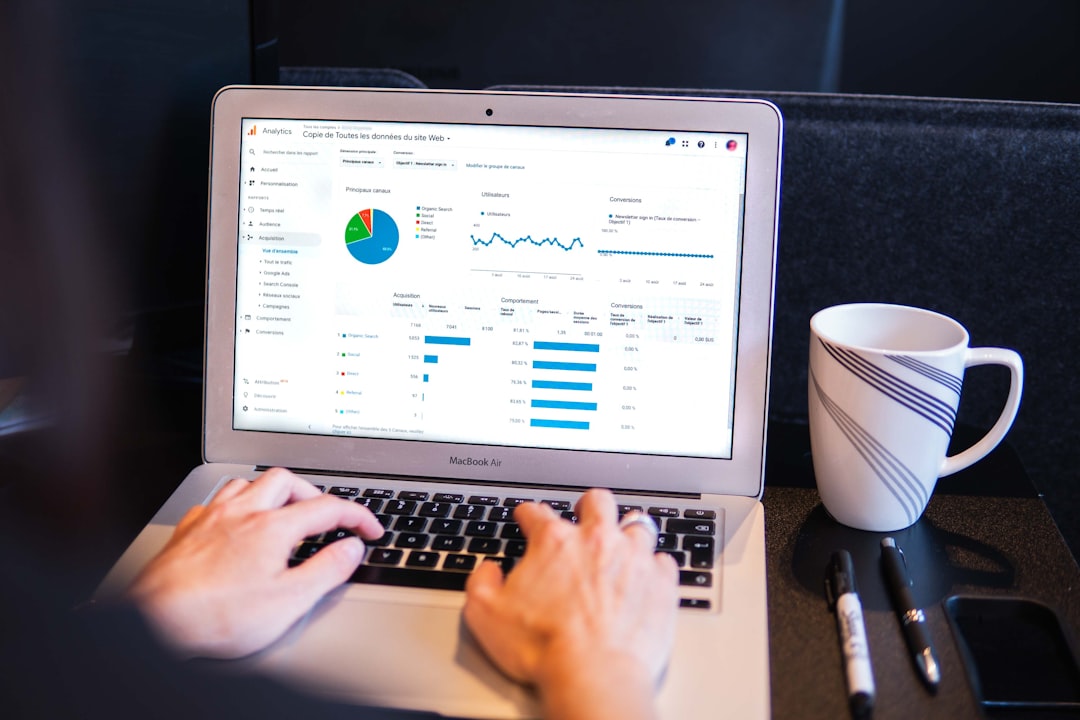
SolarEdge Monitoring is one of the most detailed platforms available, especially if your system uses SolarEdge inverters and power optimizers. It delivers panel-level performance data rather than just system-wide insights.
Key features:
- Module-level monitoring for precise troubleshooting
- Real-time performance tracking
- Mobile and desktop access
- Automatic alerts for faults and irregularities
- Weather data integration
This granular view makes it easier to identify if a single panel is underperforming. For installers and large-scale system owners, this level of insight can dramatically improve maintenance efficiency.
2. Enphase Enlighten
Best for: Systems built with Enphase microinverters.
Enphase Enlighten is known for its intuitive interface and detailed visualizations. Like SolarEdge, it offers module-level monitoring, giving homeowners transparent insight into each panel’s productivity.
Standout advantages:
- User-friendly mobile application
- Panel-by-panel performance tracking
- Energy consumption monitoring (with Enphase consumption CTs)
- Battery storage integration insights
- Grid import and export analysis
Enlighten’s clean design makes it accessible even for users new to solar monitoring. The platform is both technically robust and visually engaging.
3. SMA Sunny Portal
Best for: Flexible, customizable dashboards.
SMA’s Sunny Portal provides comprehensive visualization and reporting tools. It supports systems ranging from small residential configurations to large commercial installations.
Key features include:
- Detailed yield reports
- Performance ratio calculations
- Customizable dashboards and layouts
- Energy balance visualizations
- Long-term data archiving
Its advanced reporting tools make Sunny Portal attractive for professionals who need to present performance metrics to clients or stakeholders.
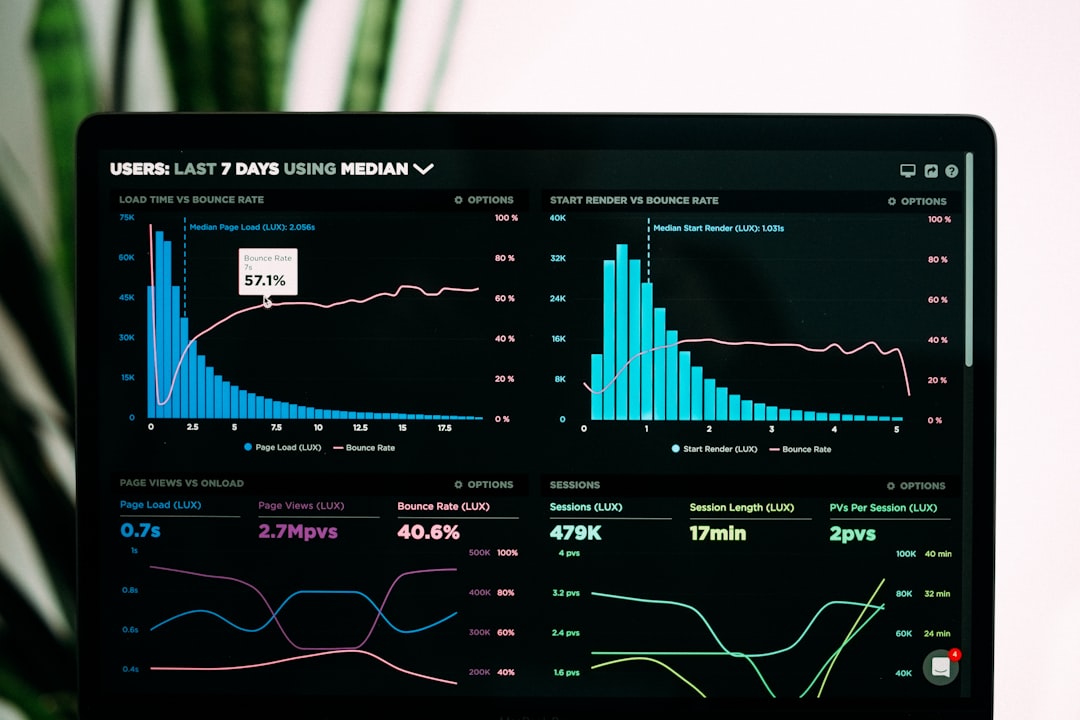
In comparison to PVOutput, Sunny Portal often provides richer built-in analytics without requiring manual data configuration.
4. Fronius Solar.web
Best for: Clear energy flow visualization.
Fronius Solar.web is praised for its elegant interface and detailed energy flow diagrams. Users can visually track how solar energy moves from panels to the grid, battery, or home consumption.
What makes it stand out:
- Interactive energy flow animations
- Storage system integration
- Self-consumption optimization insights
- Simple performance comparisons over time
- Email fault notifications
For homeowners aiming to increase self-consumption and reduce grid reliance, Solar.web provides particularly helpful breakdowns.
5. Sense with Solar
Best for: Combining production monitoring with appliance-level consumption tracking.
Sense with Solar differentiates itself by analyzing both energy production and detailed consumption patterns inside your home. Using machine learning, it identifies individual appliances and shows how much electricity each consumes.
Highlights:
- Real-time solar production and usage meter
- Appliance detection via AI algorithms
- Detailed daily and monthly reports
- Grid import and export tracking
- Smart home integration
This platform is ideal for homeowners who want to optimize their lifestyle around solar generation—for example, timing dishwasher cycles to coincide with peak sunshine hours.
6. OpenEnergyMonitor
Best for: DIY enthusiasts and open-source flexibility.
If you prefer customization and open-source solutions similar to the community spirit of PVOutput, OpenEnergyMonitor is a compelling option. It provides highly customizable dashboards and granular data logging.
Image not found in postmetaCore strengths:
- Open-source hardware and software
- Extensive data logging capabilities
- Custom dashboard creation
- Community-driven development
- Compatibility with various sensors
While it may require more technical setup, OpenEnergyMonitor offers unmatched flexibility for those comfortable with hands-on configuration.
Comparison Chart: Solar Panel Monitoring Platforms
| Platform | Panel-Level Monitoring | Consumption Tracking | Mobile App | Best For |
|---|---|---|---|---|
| SolarEdge Monitoring | Yes | Optional | Yes | Precision panel diagnostics |
| Enphase Enlighten | Yes | Yes | Yes | User-friendly interface |
| SMA Sunny Portal | System-level (panel optional) | Yes | Yes | Advanced reporting |
| Fronius Solar.web | System-level | Yes | Yes | Energy flow visuals |
| Sense with Solar | No | Advanced AI-based | Yes | Appliance-level insights |
| OpenEnergyMonitor | Customizable | Customizable | Limited | DIY flexibility |
How to Choose the Right Platform
Selecting the right monitoring platform depends largely on your system configuration and goals. Consider the following questions:
- Which inverter brand do you use? Manufacturer platforms often offer the deepest integration.
- Do you want appliance-level insights? Consider AI-driven tools like Sense.
- Are you technically inclined? Open-source platforms provide customization but require setup.
- Do you need advanced reporting? SMA and SolarEdge excel in professional-grade analytics.
- Is mobile access essential? Most mainstream platforms offer strong mobile apps.
Ultimately, the best monitoring tool is the one that provides actionable insights, not just data. The goal is improved efficiency, faster fault detection, and optimized solar utilization.
Final Thoughts
While PVOutput remains a valuable community-driven tool, solar technology has evolved significantly. Modern monitoring platforms now offer AI-powered analytics, real-time module diagnostics, and integrated consumption tracking that deliver deeper and more meaningful energy insights.
Whether you prioritize visualization, detailed reporting, or smart home integration, there’s a solution that fits your needs. By leveraging one of these six platforms, solar system owners can move beyond passive energy production and take a proactive role in maximizing efficiency and sustainability.
With the right monitoring system in place, sunlight becomes more than just clean energy—it becomes measurable, manageable, and optimizable data that drives smarter decisions.

Comments are closed, but trackbacks and pingbacks are open.