

Childcare centers today operate in an increasingly complex environment, balancing education, safety, communication, billing, and regulatory compliance. As enrollment grows and parent expectations rise, directors and administrators are turning to digital solutions to streamline their operations. Childcare management platforms like Procare help centers reduce paperwork, improve communication, and gain better visibility into daily activities. These systems act as centralized hubs that support everything from attendance tracking to tuition payments, making it easier to run a high-quality early learning program.
TLDR: Childcare management platforms such as Procare simplify administrative tasks, billing, communication, and compliance for daycare and early education centers. They replace manual paperwork with digital tools that save time and reduce errors. These platforms also improve parent communication and offer real-time reporting insights. Overall, they allow providers to focus more on children and less on administrative burden.
Managing a childcare center without modern software can quickly become overwhelming. Directors often juggle spreadsheets, sign-in sheets, paper invoices, and manual reporting processes. By implementing a comprehensive childcare management system, centers can centralize their workflows and operate more efficiently.
What Are Childcare Management Platforms?
Childcare management platforms are cloud-based software solutions specifically designed for daycare centers, preschools, and after-school programs. These systems combine administrative, financial, and communication tools into one interface. Instead of using multiple disconnected programs, directors can oversee operations from a single dashboard.
Core functions typically include:
- Attendance tracking
- Child and family record management
- Billing and tuition processing
- Parent communication tools
- Staff scheduling and payroll support
- Compliance and reporting features
Platforms like Procare have become popular because they are specifically designed to meet the regulatory demands and operational realities of childcare environments.

Key Benefits of Platforms Like Procare
1. Streamlined Administrative Work
Administrative efficiency is one of the most significant advantages of childcare management software. Manually tracking enrollment forms, immunization records, and emergency contacts can lead to misplaced documents or compliance issues. With digital record management:
- Information is securely stored in the cloud
- Records can be updated instantly
- Access is controlled by user roles
- Reports can be generated in seconds
This reduction in paperwork allows administrators to dedicate more time to staff development and curriculum planning rather than routine data entry.
2. Automated Billing and Payment Processing
Billing is often one of the most time-consuming tasks for childcare centers. Platforms like Procare automate invoicing, tuition tracking, and late fee calculations. Parents can:
- Receive automatic invoices
- Set up recurring payments
- Pay online via secure portals
- Access transaction history easily
Automation reduces errors and improves cash flow predictability. It also minimizes uncomfortable conversations about overdue payments by providing clear, consistent documentation.
3. Enhanced Parent Communication
Parents expect transparency and real-time updates about their children’s daily experiences. Modern childcare platforms provide secure messaging systems, daily activity reports, and photo sharing capabilities. This improves trust and strengthens relationships between families and providers.

Features often include:
- Direct messaging between staff and parents
- Daily logs of meals, naps, and activities
- Photo and video sharing
- Automated announcements
When communication improves, parent satisfaction and retention typically increase as well.
4. Real-Time Attendance and Safety Monitoring
Attendance tracking is critical for both safety and regulatory compliance. Digital check-in and check-out features often use PIN codes, QR codes, or contactless systems to ensure accurate logs. Directors can see in real time how many children are present, which classrooms are at capacity, and whether staff-to-child ratios are compliant.
This real-time visibility enhances safety protocols and helps centers quickly respond to emergencies.
5. Regulatory Compliance and Reporting
Childcare centers must meet strict state and local regulations. Reporting requirements may include attendance records, immunization documentation, staff certifications, and incident logs. A centralized system simplifies compliance by:
- Generating audit-ready reports
- Tracking licensing expiration dates
- Maintaining digital documentation
- Reducing data entry errors
When inspection time arrives, administrators can produce the necessary documentation without scrambling through filing cabinets.
Operational Insights Through Reporting and Analytics
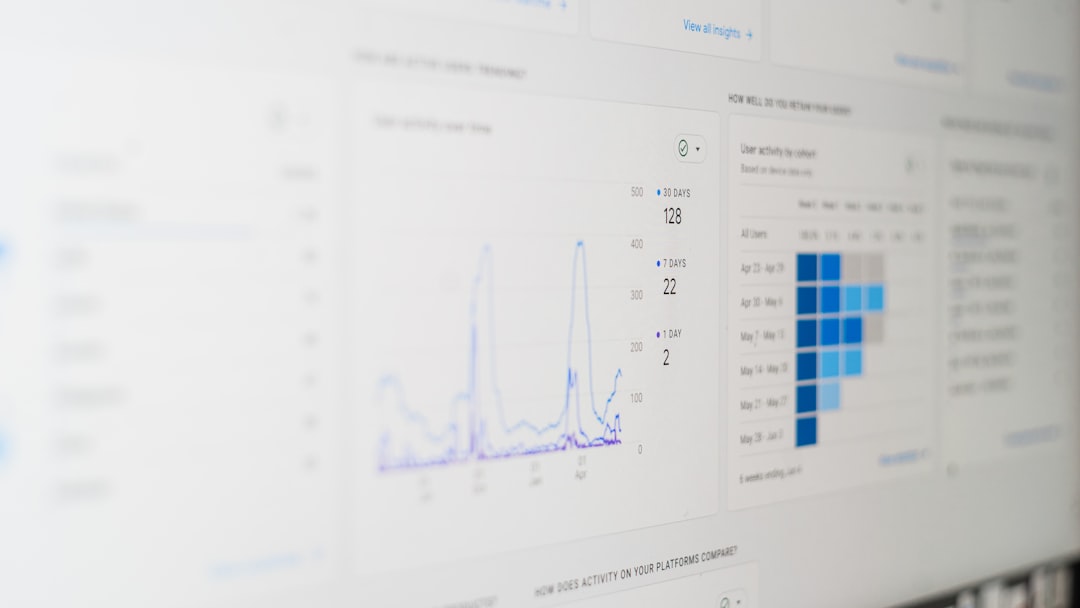
One of the often-overlooked advantages of platforms like Procare is data-driven decision-making. Administrators can view dashboards that track enrollment trends, revenue projections, and classroom utilization rates. This allows for smarter staffing decisions and strategic growth planning.
Common analytical insights include:
- Enrollment forecasting
- Revenue breakdown by program
- Staff time tracking
- Outstanding payment reports
With actionable data, childcare businesses can operate more strategically rather than reactively.
Comparison of Popular Childcare Management Platforms
While Procare is a well-known solution, several other platforms offer similar features. Below is a comparison chart highlighting common differences among leading providers.
| Feature | Procare | Brightwheel | HiMama | Kangarootime |
|---|---|---|---|---|
| Attendance Tracking | Yes | Yes | Yes | Yes |
| Automated Billing | Advanced billing tools | Integrated payments | Integrated payments | Automated billing |
| Parent Communication | Messaging and reports | Strong app based messaging | Daily reports focus | Communication portal |
| Compliance Reporting | Robust reporting | Standard reporting | Standard reporting | Custom reports |
| Best For | Medium to large centers | Small to mid sized programs | Early learning programs | Multi location providers |
Each system offers distinct advantages, and the right choice depends on a center’s size, budget, and operational complexity.
How These Platforms Improve Staff Productivity
Beyond administrative gains, childcare management platforms significantly enhance staff efficiency. Teachers can log observations, track milestones, and submit assessments directly through digital interfaces rather than filling out paper forms.
Benefits for staff include:
- Reduced paperwork at the end of the day
- Centralized lesson planning tools
- Simplified clock-in and clock-out systems
- Easier communication with parents
When educators spend less time on clerical tasks, they can dedicate more attention to child development and classroom engagement.
Security and Data Protection Considerations
Because childcare centers handle sensitive information, data security is a critical factor when selecting a management platform. Reputable providers use encryption, secure cloud hosting, and role-based access controls to protect personal data.
Key security measures often include:
- Multi-factor authentication
- Encrypted payment processing
- Automatic data backups
- Secure parent portals
Directors should evaluate privacy policies and ensure compliance with local data protection regulations before adopting any system.
Scalability for Growing Centers
As childcare businesses expand to multiple locations, manual systems become increasingly difficult to manage. Scalable platforms allow directors to oversee multiple sites from one dashboard, ensuring consistent policies and streamlined financial tracking.
Multi-location benefits include:
- Centralized reporting across sites
- Standardized billing practices
- Shared family accounts
- Coordinated staff scheduling
This scalability makes platforms like Procare particularly valuable for childcare franchises or organizations planning to grow.
Implementation and Training
Successfully adopting a childcare management system requires thoughtful training and implementation. Most vendors provide onboarding support, tutorials, and customer service. Administrators should plan for:
- Staff training sessions
- Parent orientation materials
- Gradual migration of data
- Testing of billing workflows
Clear communication during rollout ensures smoother adoption and fewer transitional challenges.
The Future of Childcare Management Technology
Technology continues to evolve, and childcare platforms are incorporating new features such as artificial intelligence analytics, automated subsidy tracking, and enhanced curriculum mapping tools. Mobile-first design is also becoming a standard, allowing directors and parents to manage everything from their smartphones.
As digital expectations rise, childcare providers that embrace modern management systems are likely to maintain a competitive advantage in enrollment, parent satisfaction, and operational efficiency.
Frequently Asked Questions (FAQ)
1. What is Procare used for in childcare centers?
Procare is used to manage attendance, billing, family records, reporting, and parent communication within childcare and early education centers. It centralizes administrative tasks into one digital platform.
2. Are childcare management platforms suitable for small centers?
Yes. Many platforms offer scalable pricing and feature sets tailored to small and mid-sized centers. Smaller providers often benefit significantly from automated billing and simplified record keeping.
3. How do these systems improve parent communication?
They provide messaging apps, daily activity reports, and multimedia sharing options that keep parents informed in real time about their child’s day.
4. Is data stored securely in these platforms?
Most reputable providers use encrypted cloud storage, secure payment gateways, and multi-factor authentication to protect sensitive information. Centers should still verify security policies before committing.
5. How long does it take to implement a childcare management system?
Implementation timelines vary, but many centers can transition within a few weeks, depending on data migration needs and staff training requirements.
6. Can these platforms handle government subsidy tracking?
Many advanced systems include tools for tracking state subsidies, generating required reports, and documenting compliance with funding requirements.
Childcare management platforms like Procare represent more than just administrative tools—they are strategic assets that allow providers to deliver better care, maintain compliance, and grow sustainably. By integrating daily operations into a unified digital environment, centers can focus on what matters most: fostering safe, nurturing, and enriching experiences for children.

Comments are closed, but trackbacks and pingbacks are open.