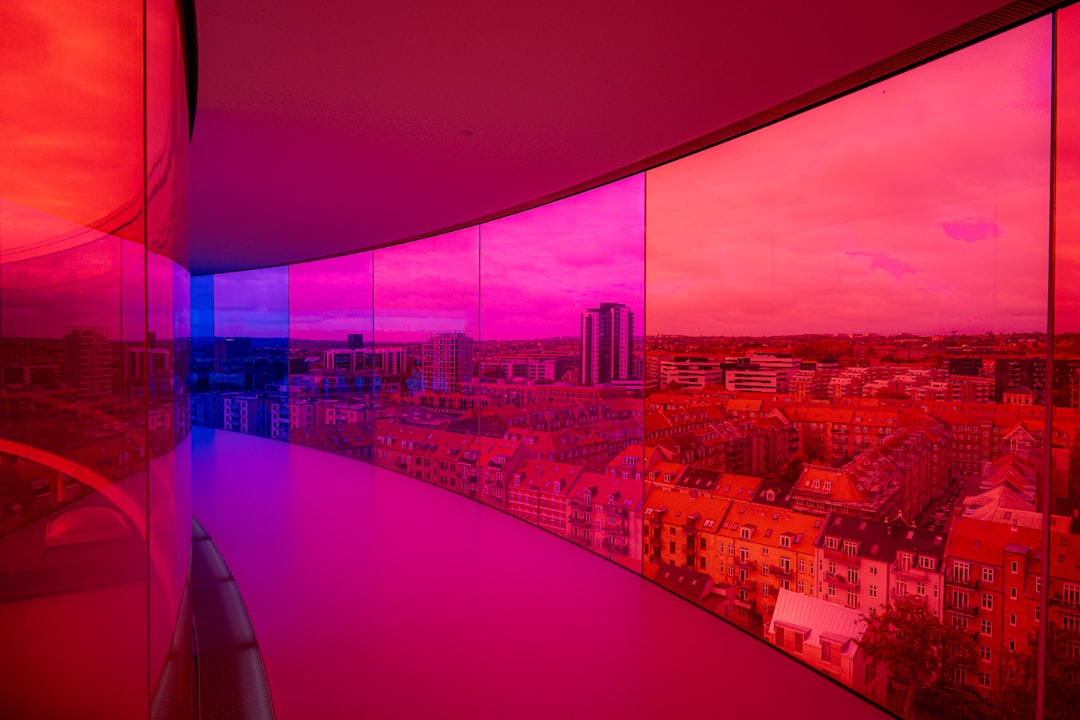

As immersive events, branded environments, themed attractions, pop-up museums, and mixed reality installations become more sophisticated, a new term has begun to describe a particular kind of experience: Spaietacle. The word can be understood as a blend of space and spectacle, referring to an environment where the setting itself becomes a dramatic, interactive, and emotionally engaging event.
TLDR: A Spaietacle is an immersive experience concept in which space, story, sensory design, and audience participation work together to create a memorable event. It is not just something people watch; it is something they move through, touch, interpret, and emotionally inhabit. The concept is useful for museums, retail spaces, festivals, exhibitions, hospitality venues, and entertainment experiences that want to feel more alive and participatory.
Understanding the Meaning of Spaietacle
A Spaietacle is best described as an experience that turns a physical or hybrid space into a performative environment. Instead of treating architecture, lighting, sound, objects, and people as separate parts, the concept brings them together into one unified encounter. The space does not simply contain the experience; it becomes the experience.
In a traditional spectacle, an audience usually looks at a stage, screen, parade, or performance from a distance. In a Spaietacle, that distance is reduced or removed. Visitors may walk through the scene, trigger effects, discover hidden details, influence the sequence of events, or become part of the unfolding story. The result is a stronger feeling of presence, curiosity, and personal connection.
The concept can be used in many settings, including:
- Immersive art exhibitions where visitors move through light, sound, sculpture, and projection.
- Retail experiences where a store feels like a themed journey rather than a place to display products.
- Museums and cultural spaces that let guests explore history, science, or heritage through environments.
- Brand activations that transform a message into a memorable sensory event.
- Hospitality and tourism venues that use atmosphere and story to create distinction.
- Festivals and public installations that invite collective participation.
Why Spaietacle Matters
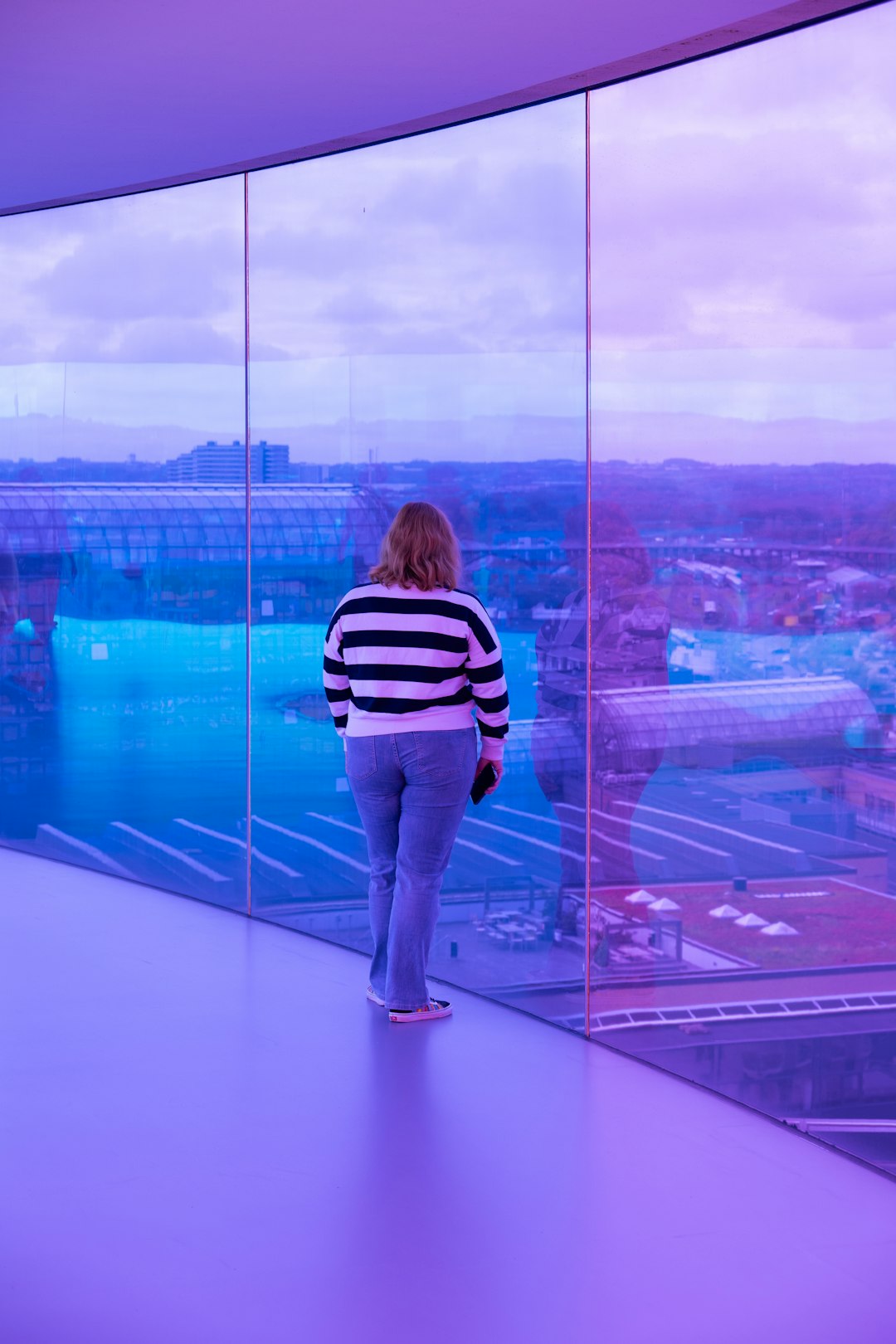
The rising interest in Spaietacle reflects a broader shift in how people value experiences. Audiences increasingly seek more than passive entertainment. They want moments that feel personal, shareable, atmospheric, and emotionally rich. A Spaietacle responds to that desire by making the environment itself meaningful.
This approach matters because it can turn ordinary spaces into memorable destinations. A lobby can become a story portal. A product launch can become a world to explore. A historical exhibition can become a journey through time. A restaurant can feel like a theatrical landscape. When executed well, the experience leaves visitors with a strong memory tied to mood, movement, and discovery.
Spaietacle also matters because it supports different learning and engagement styles. Some visitors respond to visual drama, others to sound, touch, interaction, narrative, or social participation. By combining multiple sensory and spatial layers, the concept allows a broader range of people to connect with the material.
The Core Elements of a Spaietacle
A strong Spaietacle usually depends on several interconnected elements. None of them has to be extravagant on its own, but together they create the feeling of immersion.
1. Spatial Storytelling
At the heart of a Spaietacle is the idea that space can tell a story. The layout guides attention, creates rhythm, and supports emotional progression. A narrow corridor may build tension. A large open chamber may create awe. A hidden alcove may reward curiosity. The visitor’s path becomes part of the narrative structure.
Spatial storytelling does not always require a literal plot. It may communicate a theme, mood, brand identity, historical moment, or emotional transformation. What matters is that the environment feels intentionally arranged rather than simply decorated.
2. Sensory Design
A Spaietacle often uses lighting, sound, texture, scent, temperature, projection, or movement to produce atmosphere. These sensory elements help visitors feel that they have entered a distinct world.
Lighting can mark transitions, focus attention, or alter the emotional tone of a room. Sound can create intimacy, scale, suspense, or calm. Textures and materials can make an environment feel futuristic, natural, historical, luxurious, or raw. Even subtle scent design can strengthen memory and mood.
3. Participation
Participation separates Spaietacle from many traditional displays. Visitors are not only observers; they become active presences within the environment. Participation can be simple or complex. A person may open a door, choose a route, scan an object, speak to a performer, step onto a responsive floor, or contribute to a collective visual outcome.
The most effective participation feels purposeful. It should not exist only as a gimmick. Instead, it should deepen the story, reveal information, create emotion, or make the visitor feel agency.
4. Spectacle and Surprise
The spectacle side of Spaietacle involves moments of wonder. These may include dramatic reveals, large-scale visuals, synchronized effects, unexpected performances, or beautifully staged scenes. Surprise keeps visitors alert and encourages exploration.
However, spectacle does not always mean size or cost. A small room that slowly changes color in response to a visitor’s heartbeat can be just as powerful as a huge projection dome. The key is the feeling that something memorable has happened within the space.
5. Emotional Coherence
A Spaietacle should have emotional coherence. The visitor should sense that the parts belong together. If the sound is mysterious, the visuals playful, the text formal, and the interaction confusing, the experience may feel fragmented. Coherence allows visitors to trust the world they have entered.
This does not mean every element must be predictable. Contrast can be useful. A calm room after a chaotic one may feel powerful. A bright reveal after a dark passage may create relief. The important point is that changes should feel intentional.
How Spaietacle Differs from Other Immersive Concepts
Spaietacle overlaps with immersive theatre, experiential design, themed entertainment, interactive exhibitions, and installation art. Its distinctive focus is the fusion of spatial environment and spectacle. It is less about one technology or one artistic style and more about how the visitor’s movement through space becomes a dramatic experience.
For example, virtual reality can be part of a Spaietacle, but it is not required. Projection mapping can support it, but so can carefully designed architecture, live performance, analog objects, or guided ritual. A Spaietacle may be high-tech, low-tech, temporary, permanent, commercial, educational, artistic, or civic.
The concept is flexible because it describes a design mindset rather than a fixed format. It asks one central question: How can a space become an event that people feel, remember, and participate in?
A Practical Framework for Creating a Spaietacle
Designing a Spaietacle requires more than filling a room with impressive visuals. The process benefits from a clear framework that connects purpose, audience, space, and emotion.
Step 1: Define the Purpose
Every Spaietacle should begin with a reason for existing. The purpose may be to educate, entertain, sell, commemorate, inspire, heal, or build community. A clear purpose helps the creative team decide which effects, interactions, and design choices are necessary.
Without purpose, immersion can become decoration. With purpose, every detail can support the central experience.
Step 2: Identify the Audience
The intended audience shapes the tone and structure. Families, art lovers, corporate guests, tourists, students, and local communities may all respond differently. Designers should consider age, accessibility, cultural context, attention span, group size, and comfort level with technology.
A good Spaietacle does not force every visitor to behave the same way. It can offer multiple ways to engage, including observation, exploration, interaction, reflection, and social sharing.
Step 3: Map the Journey
The visitor journey is one of the most important tools. It shows how people enter, move, pause, discover, interact, and exit. A strong journey usually includes a beginning, a build-up, a peak moment, and a conclusion.
This map can include:
- Arrival: The first impression and transition from the outside world.
- Orientation: Clues that help visitors understand how to behave.
- Exploration: Spaces, objects, or scenes that invite curiosity.
- Interaction: Moments where visitor action changes or reveals something.
- Climax: A memorable emotional or visual high point.
- Reflection: A calmer ending that helps visitors process the experience.
Step 4: Choose the Sensory Language
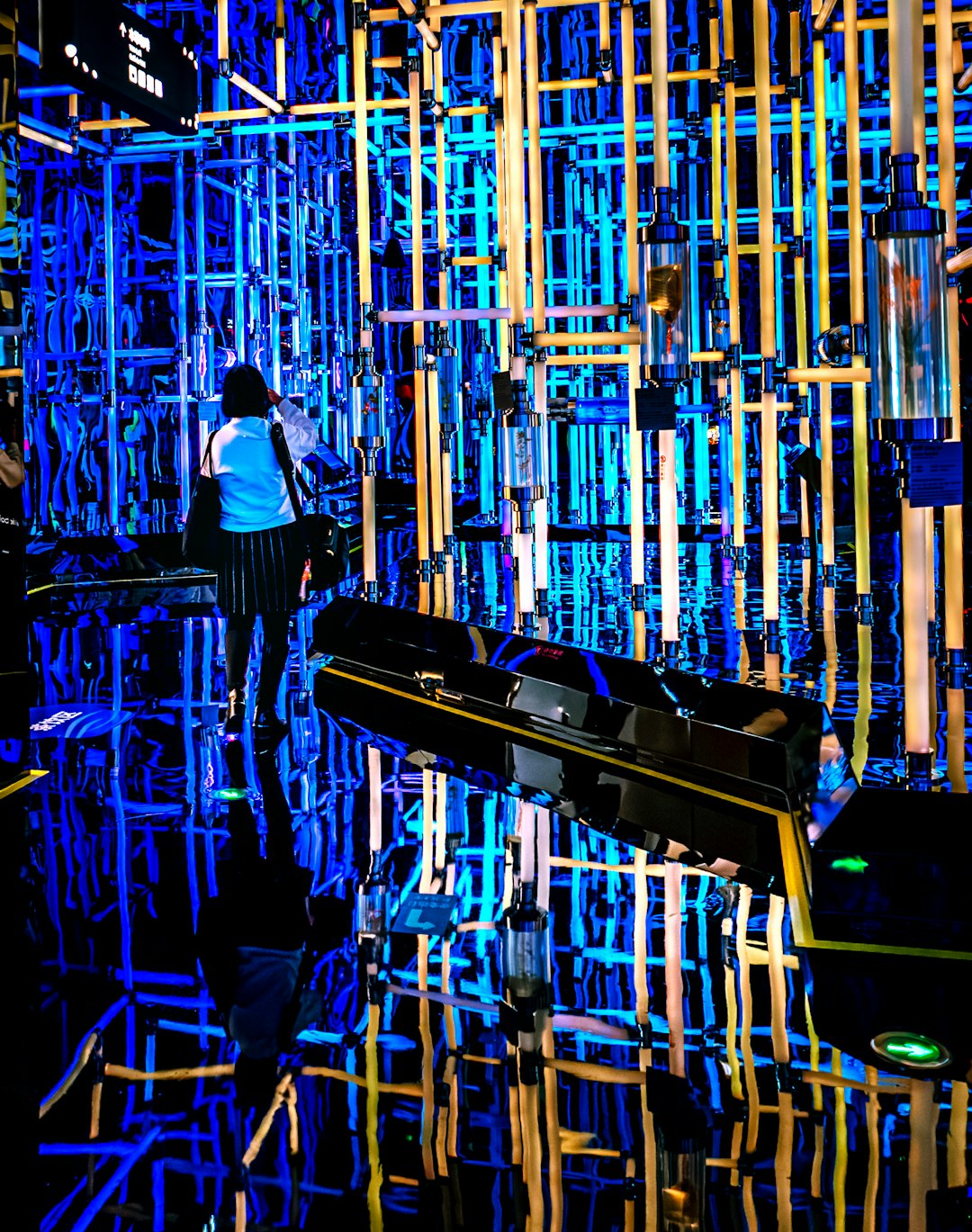
The sensory language should match the concept. A futuristic Spaietacle may use reflective materials, electronic sound, cool lighting, and responsive surfaces. A nature-based experience may use organic textures, soft soundscapes, warm light, and subtle scent. A historical journey may use layered audio, tactile replicas, theatrical shadows, and archival imagery.
The sensory choices should be consistent enough to create identity, yet varied enough to avoid monotony.
Step 5: Design Meaningful Interaction
Interaction should be intuitive and rewarding. If visitors must read long instructions before doing anything, the experience may lose momentum. Physical cues, lighting, sound prompts, and performer guidance can help make interaction natural.
Meaningful interaction often gives visitors one of three rewards: discovery, transformation, or connection. Discovery reveals something new. Transformation changes the space or the visitor’s perception. Connection links the visitor to other people, characters, memories, or ideas.
Common Mistakes to Avoid
Several mistakes can weaken a Spaietacle. The first is relying too heavily on technology without a strong concept. Technology can impress, but emotional design creates lasting memory. Another mistake is overcrowding the space with too many stimuli. Immersion does not require constant intensity; quiet moments often make dramatic moments stronger.
A third mistake is ignoring accessibility. A Spaietacle should consider mobility, visibility, hearing, sensory sensitivity, language clarity, and safe circulation. Immersive design is most powerful when more people can participate comfortably.
A final mistake is forgetting the ending. The exit experience matters. Visitors need a moment to transition back to ordinary space, make sense of what happened, and carry the memory with them.
Where Spaietacle Is Heading
The future of Spaietacle will likely combine physical environments with intelligent digital systems. Adaptive lighting, responsive sound, artificial intelligence, wearable sensors, augmented reality, and personalized pathways may allow spaces to react more fluidly to visitors. At the same time, there will remain a strong place for handmade atmosphere, live performance, craft, and human hosting.
The most successful future examples will not be defined by technology alone. They will be defined by how well they create presence, meaning, and emotional resonance. A Spaietacle is ultimately about the human experience of being inside a world that feels temporarily extraordinary.
FAQ
What is a Spaietacle?
A Spaietacle is an immersive experience concept that combines space, spectacle, storytelling, sensory design, and participation. It turns an environment into an event that visitors can move through and engage with.
Is Spaietacle the same as immersive theatre?
Not exactly. Immersive theatre may be part of a Spaietacle, but Spaietacle is broader. It can include exhibitions, retail environments, public installations, museums, hospitality venues, and branded experiences.
Does a Spaietacle require advanced technology?
No. Technology can enhance a Spaietacle, but it is not required. Lighting, sound, architecture, objects, live performers, scent, texture, and thoughtful spatial design can also create immersion.
Who can use the Spaietacle concept?
The concept can be used by event producers, museum designers, architects, artists, marketers, educators, hospitality teams, and entertainment companies. Any group that wants to create a memorable spatial experience can apply it.
What makes a Spaietacle successful?
A successful Spaietacle has a clear purpose, coherent atmosphere, meaningful participation, strong visitor flow, and memorable emotional moments. It should feel intentional rather than simply decorative.
Can a small space become a Spaietacle?
Yes. Scale is less important than design quality. A small room, pop-up booth, gallery corner, or hotel suite can become a Spaietacle if it uses space, story, sensory detail, and interaction effectively.

Comments are closed.